


Unisex perfume is a fragrance that is not specifically positioned as men’s or women’s perfume and is intended to be worn by everyone. The label says something about marketing and intent, not about a separate chemical composition. A unisex scent can be just as strong, sweet, or powerful as any other perfume. That’s why you should always test on your own skin first before making a final choice.
In short:
- The split between men’s and women’s perfume is mostly based on marketing; the fragrance family and intensity tell you more about what you actually smell.
- Choose based on the fragrance notes: citrus and green often work best during the day, while wood and amber work better in colder weather or in the evening.
- The terms for perfume concentrations are not strictly defined internationally, so the same label can vary by brand in strength and longevity.
- Test a fragrance on your skin and wait before judging; limit each testing session to two or three perfumes so you don’t tire your nose.
- With a small sample you can evaluate a scent at home, at the office, and in the evening before spending money on a full bottle.
Table of contents
- What does unisex perfume mean exactly?
- How do unisex fragrances smell? typical notes and families
- Difference from men’s and women’s perfume: why labels don’t tell the whole story
- How to choose and test a unisex perfume: a concrete step-by-step plan
- Short history and context of unisex perfumes
- Why unisex fragrance choice is about your own nose
- Unisex perfumes at Pure Parfum: vegan and accessible
- Frequently asked questions
- Sources
What does unisex perfume mean exactly?
Unisex is first and foremost a target-audience label, not a chemical category. When launching a brand decides who a fragrance is intended for, and that choice says little about the raw materials or the structure of the composition itself. That’s why you also see related terms like gender-neutral or all-gender, which express the same idea in practice: a fragrance that isn’t tied to a specific gender.
A common misconception is that unisex automatically means light, subtle, or “neutral in character.” That’s not true. A unisex perfume can contain just as solid a woody base or an intense amber layer as a fragrance that’s sold as men’s perfume. The only thing that changes is the packaging and the messaging around it, not the formula itself. So if you’re looking for a scent that truly matches your personal taste, it’s best to look past the shelf label and focus on the actual fragrance notes and their intensity.

How do unisex fragrances smell? typical notes and families
Some fragrance families show up again and again in perfumes sold as unisex, simply because they appeal broadly and work well for a mixed audience. Think of the following directions:
- Citrus: bergamot, lemon, and grapefruit create a fresh, approachable opening that is rarely experienced as purely masculine or feminine.
- Green and aromatic: tea, lavender, and rosemary provide a herbal, clear undertone.
- Aquatic and soapy: these accords create a clean, fresh association without pronounced sweetness.
- Woody: cedar, vetiver, and sandalwood often form the solid base of a unisex composition.
- Subtle amber and musk: these notes add warmth and depth without making the scent overly sweet.
Floral or gourmand notes, such as rose, jasmine, vanilla, or tonka, can also work well as unisex as long as they stay balanced with the rest of the composition. For warmer days or an office environment, a fresh citrus or green opening often works best, while woody and amber-driven fragrances lend themselves better to colder months or an evening occasion. If you want to know more about how citrus fragrances work specifically, you’ll find deeper insight in our article on unisex citrus fragrances.
Difference from men’s and women’s perfume: why labels don’t tell the whole story
The split between “for him” and “for her” has historically been mainly a market choice, not a scientific classification. Brands discovered that targeted marketing sold better than a neutral approach, leading to the separate shelves we know today. A study published in Chemical Senses found no reliable sex differences in verbal affective responses to odors, suggesting that the classification into men’s and women’s fragrances is less based on biology than people often assume.
In addition, the concentration of a perfume plays a bigger role in longevity and intensity than the gender label. Terms like eau de cologne, eau de toilette, eau de parfum, and parfum indicate the amount of perfume oil, but according to IFRA, these labels are general terms that are not strictly defined internationally. So an eau de parfum from one brand can feel different from an eau de parfum from another brand. More explanation about this difference can be found in our article on eau de parfum vs perfume.
How to choose and test a unisex perfume: a concrete step-by-step plan
Choosing a unisex fragrance calls for a slightly different approach than simply grabbing a bottle from the “right” shelf. Follow these steps for a reliable decision:
- Test on your skin, not just on a paper strip, because skin chemistry affects how a scent develops.
- Spray on one hand or your wrist and wait a while before making a judgment.
- Limit yourself to two or three fragrances per session, otherwise your nose tires and you can’t distinguish nuances anymore.
- Watch the sillage and the dry down, the way the fragrance changes over time and how far it carries.
- Choose the concentration based on the moment: a lighter version for daytime, a more intense one for the evening.
Pro tip: Order a small sample or a sample set so you can evaluate a scent in different situations—at home, at the office, or in the evening—before buying a full bottle.
If you notice the temptation to try five fragrances at once, you’ll benefit from our tips on avoiding blind buys. And for anyone who prefers to lay out multiple options at home side by side, a sample set is a practical way to fine-tune your fragrance profile.
Short history and context of unisex perfumes
Unisex perfume isn’t an invention of recent years. Historically, fragrances were often divided by gender less strictly than modern marketing suggests, as Osmothèque shows in its historical overviews. The commercial breakthrough of unisex as a recognizable category happened mainly from the 1990s onward, when major brands consciously launched fragrances without making promises specific to sex. This history confirms that the “for him” and “for her” division is primarily a modern sales instrument, not a fixed classification of fragrance ingredients themselves.
Why unisex fragrance choice is about your own nose
In my view, the rise of unisex perfume is one of the most pleasant developments in the fragrance world of the past few decades. It removes the pressure to choose a scent because it “belongs” to your gender and makes room for purely personal taste. Dare to swap within a collection, share a bottle with a partner or friend, and ultimately trust what your own nose tells you—not what’s written on the label.
— J
Unisex perfumes at Pure Parfum: vegan and accessible
At Pure Parfum, we sell unisex perfumes that are vegan and kind to animals. Because we save on expensive marketing and unnecessary packaging, we offer fragrances with a high perfume-oil concentration at an accessible price.
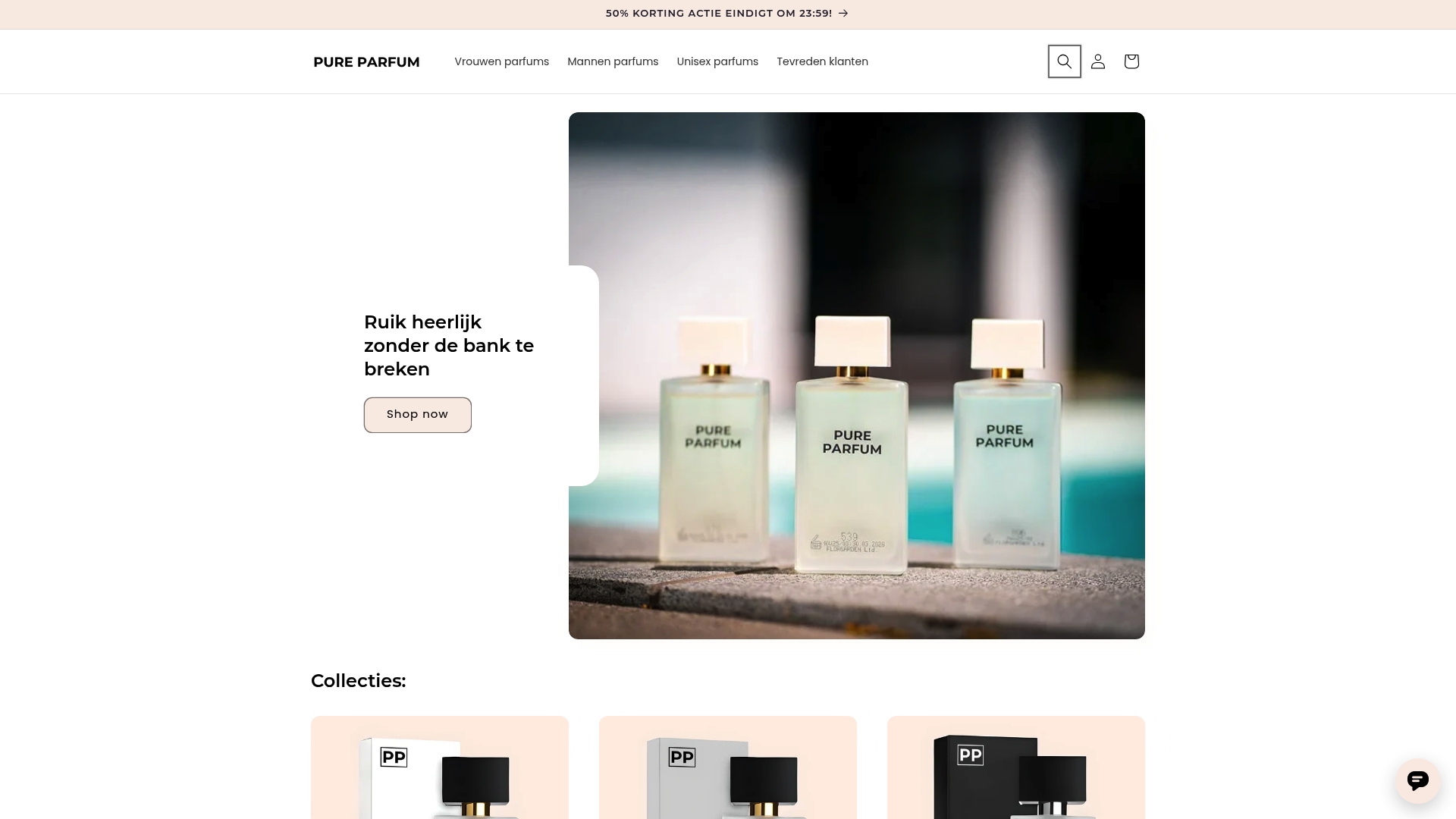
- Check out our full unisex perfumes collection and discover which direction suits you.
- Prefer to try first? More information about our products can be found on our website.
Frequently asked questions
What are the best unisex fragrances?
That’s personal, but fragrances with citrus, woods, or a subtle amber base are often experienced as broadly appealing. Always test on your skin yourself, because personal chemistry strongly determines how a composition develops.
What are unisex fragrances?
Unisex fragrances are perfumes that are not specifically positioned as men’s or women’s perfume and are intended for everyone. It’s a marketing choice, not a separate chemical composition of the scent.
Which perfumes are gender-neutral?
Gender-neutral or all-gender perfumes are in practice the same as unisex perfumes: fragrances that are brought to market without promises specific to sex. Many brands use these terms interchangeably, so look primarily at the fragrance profile itself rather than the exact wording.
Which scent drives men crazy?
There is no proven fragrance that works universally, and preference for scent appears to be highly personal and dependent on the situation. Research shows that assumptions about sex differences in product preferences are often overestimated, so it’s better to test together which fragrances actually work.
What is the difference between unisex and men’s perfume in terms of composition?
In terms of composition, there isn’t a fixed difference: both can contain the same fragrance families and concentrations. The distinction lies mainly in the marketing and packaging, not in an objective chemical separation between the categories.
Sources
- 2016 – Programm - Osmotheque
- About the IFRA Transparency List | IFRA
- Variability of Affective Responses to Odors: Culture, Gender, and Olfactory Knowledge | Chemical Senses | Oxford Academic