


Yes, citrus scents are usually unisex: their fresh, clean and energizing character makes them broadly wearable, for him and for her. In this article you’ll read which notes form the foundation, how modern variations like yuzu and finger lime add extra depth, how to test a fragrance yourself and choose, and what to watch for regarding longevity and safety.
In short:
- Citrus scents are considered unisex because they’re fresh and neutral, with a low association with masculinity or femininity.
- Modern citrus notes like yuzu and finger lime offer extra depth and longer-lasting, interesting, spicy accents in the fragrance.
- Testing on the skin and applying multiple times a day gives the best impression of how the scent develops and whether it’s right for you.
- Using a higher perfume concentration and layering—such as body lotion—prevents the freshness from fading too quickly.
- With regular sun exposure, it’s important that citrus fragrances meet IFRA safety standards against phototoxic reactions.
Table of contents
- What makes citrus scents so suitable for everyone?
- Which citrus notes and modern variations add more depth?
- How to test and choose the best unisex citrus perfume?
- How to make a citrus scent last longer and perform fuller
- Safety and origin: what you need to know about citrus extracts
- Why unisex citrus belongs in every modern fragrance collection
- Start trying: unisex citrus at Pure Parfum
- Frequently asked questions
- Sources
What makes citrus scents so suitable for everyone?
Citrus scents fall outside the classic division into masculine and feminine because they revolve around freshness rather than sweetness or heaviness. In the structure of a perfume, citrus oils usually form the top note: the first, bright signal you smell, which after a few minutes transitions into heart notes like flowers, spices or green accents. The base note, often wood or musk, provides calm and structure beneath that freshness.
This not-too-sweet, clean profile is generally linked less to a specific gender than, for example, a heavy vanilla or a sweet floral fragrance.
- Top notes give an immediate, clear first impression that is rarely experienced as overly masculine or feminine.
- A not-too-sweet, fresh profile is more often perceived as neutral and suitable for everyday wear.
- Citrus blends easily with wood, spices or musk, making the fragrance more versatile.
The range confirms this: Fragrantica lists more than 1,100 scents in the citrus group as unisex, showing how common this classification is in practice.
Which citrus notes and modern variations add more depth?
The classic citrus palette consists of a limited number of recognizable ingredients, each with its own character.
- Bergamot: soft, lightly floral and less sharp than other citrus fruits, often the backbone of a composition.
- Lemon: bright and sharp, giving a direct, almost crisp freshness.
- Mandarin: sweeter and rounder than lemon, with a more playful character.
- Grapefruit: bittersweet and slightly autumnal, adding depth without becoming heavy.
- Neroli and petitgrain: from the orange tree (blossom and leaves), greener and more subtle than fruit-citrus.
In addition, modern citrus notes are showing up more and more: yuzu, finger lime and kaffir lime. These ingredients feel less one-dimensional than classic lemon or orange and give a composition a sharper—sometimes spicy—twist that keeps a fragrance interesting for longer, just as you can notice in the trend descriptions of new citrus note trends.
To help citrus smell more realistic and last longer, perfumers sometimes use sulfur-containing molecules that enhance the bittersweet character of grapefruit or mandarin—a technique explained in detail in trade literature about citrus in perfumery.
Pro tip: when reading the fragrance description, watch for words like “yuzu” or “finger lime”: they often point to a more modern, complex citrus scent than a simple lemon or orange note.
How to test and choose the best unisex citrus perfume?
A citrus scent smells different in the bottle than it does on your skin, so testing on paper alone isn’t enough. Follow this approach to really get to know a fragrance:
- Spray the scent on your skin—preferably on your wrist or the inside of your elbow—rather than only on a test strip.
- Wait at least fifteen minutes, then smell again: the sharp top note should make way for the heart accord.
- Compare how the scent develops differently on paper versus on your skin, because skin warmth and moisture change the perception.
- Wear the fragrance all day to judge how long the freshness lasts and when reapplication is needed.
- Pay attention to your skin type: dry skin usually holds fragrance for less time than oilier skin.
When choosing, also consider concentration, skin type, the time of day you wear the scent, and how often you want to reapply. For anyone deciding between several variations, a sample set is often smarter than buying a full bottle right away: you can discover which note and concentration suit you without a big investment. Practical advice about skin chemistry and concentration is also described on Wikiparfum, where it’s clearly explained that citrus works especially well on warm days and in informal situations.
How to make a citrus scent last longer and perform fuller
Citrus scents naturally have a shorter lifespan than heavy woody or oriental compositions, but a few adjustments make a big difference.
- A well-hydrated skin holds fragrance molecules better than dry skin, so citrus fades more slowly.
- Layering works: a perfumed body lotion under your perfume noticeably extends the fragrance experience.
- Spray on textiles such as a scarf or jacket pocket beside your skin for a subtler but longer-lasting trail.
- Choose a higher perfume concentration (eau de parfum instead of eau de toilette) if you want to reapply less often.
Pulse points with more body heat, such as the neck and the inside of the wrists, allow a citrus scent to develop better than cooler areas.
Pro tip: pair your perfume with a matching body wash or body lotion: the scent builds up and stays noticeable longer without you having to overspray.

Safety and origin: what you need to know about citrus extracts
Natural citrus extracts contain furocoumarins by nature—substances that under strong light can cause phototoxic reactions on the skin. To manage that risk, the international fragrance industry uses strict limits.
IFRA introduced a leave-on threshold value at the level of a few ppm for furocoumarins as a risk management measure against phototoxicity.
This agreement comes from the recent IFRA furocoumarins update and fits within the broader framework of the IFRA Standards, the recognized safety framework for fragrance ingredients in consumer products. For anyone who wears citrus perfume and comes into the sun regularly, it’s not an unnecessary luxury to know that formulas are made within these limits.
Pure Parfum positions itself as a vegan and animal-friendly brand with affordable perfumes based on a higher perfume oil concentration.

Why unisex citrus belongs in every modern fragrance collection
A fragrance you can share with your partner is more practical than it sounds: one bottle, two users, less hassle in the bathroom cabinet. Unisex citrus is perfect for that, precisely because it isn’t tied to a heavy, clearly masculine or feminine accent.
What stands out to me is that the rise of vegan and animal-friendly formulas makes this category even more relevant to a consumer who cares not only about fragrance, but also about origin. That way, citrus becomes not just a fresh choice, but also a conscious one.
If you’re on the fence, it’s best not to rely on the bottle alone. Test with the steps in this article, on your own skin, over the course of a whole day. That’s the only way to know if a fragrance truly suits you.
— J
Start trying: unisex citrus at Pure Parfum
Want to discover which citrus note suits you without immediately buying a full bottle? There are perfumes available that are vegan and animal-friendly, with a high perfume oil concentration, and without the cost of expensive marketing or packaging.
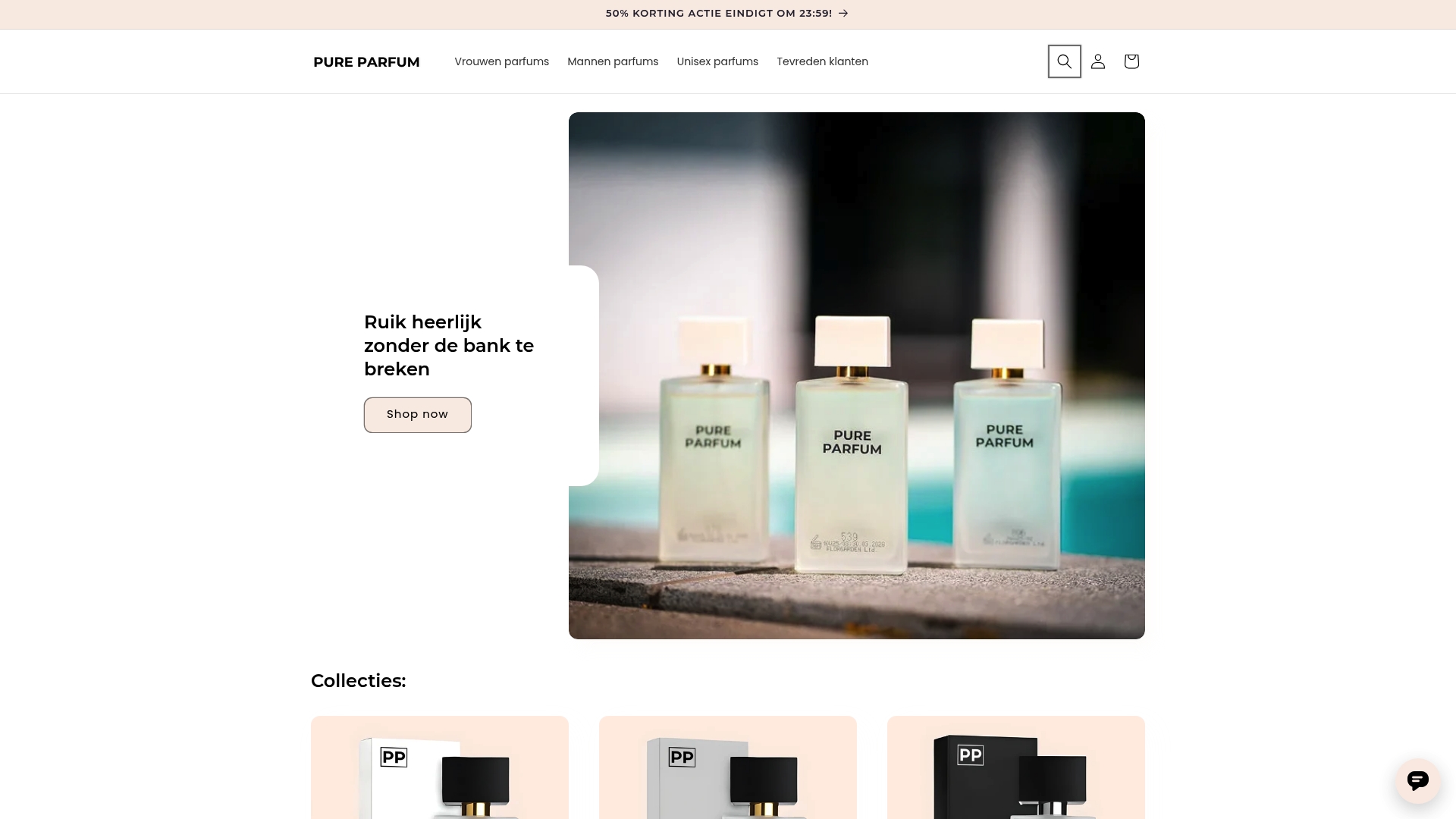
For those just starting with unisex citrus, a 30ml x4 perfume set is a smart first step: you can test multiple scents and concentrations side by side before choosing a larger bottle. If you prefer to go straight for a fixed assortment, the 3x100ml perfume bundle is a practical option for having different notes at home. Check out the full range of unisex perfumes and find out which citrus fragrance best fits your daily routine.
Frequently asked questions
What are the best unisex scents?
That varies from person to person, but citrus fragrances with bergamot, grapefruit, or modern notes like yuzu are often experienced as pleasant and broadly wearable. Wikiparfum emphasizes that the best choice depends on skin chemistry and the time you wear the scent, so trying it remains the best test.
Which perfumes are gender-neutral?
Gender-neutral perfumes are fragrances that hit the market without an explicit gender indication and often focus on fresh, clean or woody accords instead of clearly sweet or heavy notes. Citrus scents often fall into this category, as do certain woody and spicy compositions.
How long does a citrus perfume last?
Citrus scents naturally evaporate faster than heavy woody perfumes, but well-hydrated skin and a higher perfume concentration noticeably extend the fragrance experience. Layering with body lotion or body wash in the same fragrance line also helps keep the freshness longer.
Are natural citrus extracts safe for the skin?
Natural citrus extracts may contain furocoumarins—substances that can cause phototoxic reactions under strong light. That’s why the IFRA standards set concentration limits, including a leave-on threshold value of 5 ppm, to limit this risk.
How much does a perfume cost at Pure Parfum?
You can view the prices of perfumes and sets at Pure Parfum on request via the product pages, such as the 30ml x4 perfume set. The brand positions itself as an affordable alternative thanks to a higher perfume oil concentration without expensive marketing costs.
Sources
- citrus - Perfume group
- Furocoumarins update | IFRA
- Unisex scents: advice for the best choice | Wikiparfum