


You increase sillage fastest by hydrating your skin first, strategically layering it with body lotion or oil, and spraying at the right pulse points without rubbing. These three steps work because they slow evaporation and help the fragrance molecules spread. Below, you’ll read exactly how to do it, which products help, and which mistakes make your trail smaller.
Quick summary:
- Dry skin needs rich lotion or neutral oil, while oily skin has enough with a light cream; if you’re sensitive, choose alcohol-free perfume.
- Heat boosts the first burst of scent, but shortens the wear time; on summer days, therefore, use less perfume and keep the scent subtle in the office.
- Fresh citrus fragrances create a noticeable trail quickly, but fade sooner; woody scents with amber or musk develop more slowly and last longer.
- Wool and cotton hold scent gradually, while polyester can mask it; store bottles at room temperature, dry, and out of direct sunlight.
Contents
- What sillage is exactly and how it works
- Step by step: apply, layer, and follow a routine that works
- Which ingredients create a trail and which help with long wear
- Skin prep and fixation: lotions, oils, and petroleum jelly
- How temperature, moisture, and clothing change your sillage
- Common mistakes and quick fixes
- Practical brand info: how Pure Parfum helps you achieve your sillage goals
- Strong and noticeable or subtle: a matter of context
- Discover perfumes and body care that boost your sillage
- Frequently asked questions
- Sources
What sillage is exactly and how it works
Sillage is the scent trail that remains when you walk through a room, so it’s something different from longevity. Longevity is about how long you can still smell something on your skin, while sillage is about how far and how strongly others notice your perfume. A fragrance can last for hours without creating much trail, and vice versa: a perfume can project a lot in the first twenty minutes and then stay close to the skin.
The technical explanation lies in volatility and vapor pressure. Fragrance molecules with high vapor pressure evaporate quickly and spread easily through the air, while molecules with low vapor pressure are released more slowly and stay closer to the skin. Your skin acts as a kind of “substrate”: warmth, humidity, and skin oils influence how quickly those molecules come loose.
Research into sillage in the perfume industry shows that the strongest performance comes from a combination of two groups of ingredients. So-called “push” materials provide fast, powerful diffusion, while “long lasting” materials fix the fragrance and help it work over time. A well-composed sillage meaning and fragrance trail therefore depends on both groups at the same time, not on one dominant ingredient.
In practice, that means:
- Sillage and longevity are two separate properties that you can influence independently.
- High vapor pressure gives fast projection; low vapor pressure gives a scent that stays closer to the skin.
- The strongest scent trails combine diffusive and fixing ingredients in a study on sillage in perfumery.
- Your skin influences the result as much as the composition of the perfume itself.
When you understand this mechanism, you can choose more deliberately which fragrance fits which occasion—and, above all, how to give that scent an extra boost.
Step by step: apply, layer, and follow a routine that works
A bigger scent trail doesn’t come from spraying more—it comes from applying it smarter. The order below is built from skin preparation to the final check before you leave the house.
- Shower or wash your skin with a neutral, fragrance-free soap so no competing scents remain.
- Apply an unscented or lightly scented body lotion to damp skin—this builds an oily layer that slows evaporation.
- Spray your perfume on pulse points: wrists, neck, behind the ears, and the inside of the elbows, where body warmth actively helps the fragrance spread.
- Hold the bottle 15 to 20 centimeters from your skin and spread the spray over a wider area instead of on a single spot.
- Never rub your wrists against each other—this breaks down the fragrance molecules and distorts how the scent develops.
- If desired, add a light extra layer to your hair or to clothing that isn’t stain-sensitive; fabric holds scent longer than skin.
- Let the perfume dry for two to three minutes before you put on your clothes so the alcohol can evaporate.
Layering works differently for different skin types. Dry skin breaks down fragrance molecules faster because there’s less natural skin oil to hold the scent—here, a rich body lotion or a drop of neutral oil beforehand helps the most. Oily skin, on the other hand, naturally holds fragrance longer and often needs only a light, unscented moisturizing cream. Sensitive skin benefits from alcohol-free or low-concentration options, combined with a fragrance-free base layer to prevent irritation.
Pro tip: Store your perfume at room temperature, out of direct sunlight, so the fragrance ingredients stay stable until the moment you use them.
Before you head out, go through this checklist:
- Have you hydrated your skin with a neutral or matching lotion?
- Have you sprayed on at least three pulse points instead of just one place?
- Have you waited until the perfume has dried before putting on your clothes?
- Is a small travel bottle ready for a quick refresh later in the day?
This routine takes hardly any extra time, but the difference in the scent trail you can perceive is immediately noticeable.
Which ingredients create a trail and which help with long wear
Not every ingredient in a perfume has the same job. Some substances are designed to diffuse quickly and widely, while others are there to make the scent linger on the skin over time. Research into sillage in perfumery explicitly distinguishes these two groups and states that the best results come when both are present in the right proportion.
Diffusive “push” materials like Aldehyde AA and Dihydromyrcenol create the first powerful impression and carry far through the air. Long-lasting materials like Ambroxan and Cashmeran work more slowly but keep the fragrance on the skin for hours; they act as a kind of anchor for the more volatile molecules. A high-performing blend typically combines a limited share of push ingredients with a larger share of fixing materials, as shown by research on sillage in perfumery.
For the practice of choosing or combining fragrances, this is relevant:
- Light, fresh perfumes with citrus or aldehydes give a quick, noticeable first impression but fade faster.
- Oriental and chypre compositions with amber, woods, and musk-like bases build a trail that grows more slowly, but lasts longer.
- If you choose a fresh, diffusive type in the morning, you can combine it with a heavier body lotion to extend the effect.
- If you wear a heavy, warm fragrance, you often need less extra layering because the fixing base already provides durability.
When buying or assembling a fragrance wardrobe, it’s therefore worth paying attention to the character of the top notes versus the base notes. A scent made mostly of citrus and spicy top notes calls for a different approach than a composition that leans on woods, amber, or musk.
Skin prep and fixation: lotions, oils, and petroleum jelly
A hydrated skin holds fragrance molecules significantly better than dry skin, simply because there’s more fat and moisture available to bind the scent ingredients. That’s why perfume experts consistently advise spraying on hydrated skin instead of dry, just-washed skin.
For fixation, there are three commonly used methods:
- Apply an unscented or matching body lotion with citronella and lime right before spraying your perfume.
- Apply a thin layer of petroleum jelly to pulse points before you spray; it creates an oily layer that slows evaporation.
- Use an alcohol-free oil as a base, especially suitable for dry or sensitive skin.
The petroleum jelly method works best sparingly: a small amount, about the size of a pea, spread over the wrists and neck is enough. Too much petroleum jelly can actually hinder diffusion because the fragrance sticks to the skin more than it spreads. This technique works especially well for dry skin, less necessary for skin that’s naturally oily.
Pro tip: Combine a light, alcohol-free body lotion with an Eau de Parfum instead of an Eau de Toilette if you’re looking for more fixation—the higher concentration of perfume oil works better with a more oily base layer.
The concentration of your perfume also plays a role here. Eau de Toilette typically contains less perfume oil than Eau de Parfum, and Parfum extrait has the highest concentration. A higher oil concentration means more fragrance molecules are available to diffuse and stay put, making the combination with a moisturizing base layer extra effective.
How temperature, moisture, and clothing change your sillage
Heat accelerates the evaporation of fragrance molecules, so it acts as a natural enhancer of your sillage—but that same warmth also makes the scent fade away more quickly. On a warm summer day, you’ll notice your perfume sooner and more strongly, but the trail lasts for less time than on a cool winter day. Adjust the amount and choice of fragrance to the season, as explained in our explanation about perfume and heat.
Clothing affects sillage too. Natural fabrics such as wool and cotton hold fragrance molecules and release them gradually, while synthetic fabrics like polyester can mask the scent or blend it in an unpleasant way with body odor. For an evening out or at a festival, you can apply a bit more concentrated, whereas an office environment often does better with a subtler, closer-to-the-skin application.

Common mistakes and quick fixes
Some habits sabotage your sillage without you even noticing.
- Rubbing your wrists together after spraying breaks down the molecular structure of the top notes and changes how the scent develops.
- Storing perfume in the bathroom exposes the bottle to moisture and temperature fluctuations, which affects the scent profile.
- Spraying everything in one spot instead of spreading it across multiple pulse points unnecessarily limits the reach of your scent trail.
- Thinking that spraying more automatically creates more sillage: top notes still evaporate within the first few minutes, and extra volume changes that very little.
If you recognize these mistakes in your own routine—like described in tips when your perfume doesn’t last—you can correct them right away without buying new products. Sometimes the difference is purely in the approach, not in the perfume itself.
Practical brand info: how Pure Parfum helps you achieve your sillage goals
Our perfumes have an oil concentration that contributes to the fixation you need for a long-lasting scent trail. Because our fragrances are animal-friendly and vegan, you can layer without giving up environmentally conscious choices.
For the routines above, our body care products work well as a base layer under your perfume, and if you want to combine multiple scents or switch based on the occasion, you’ll find support in a bundle with multiple formulas. Apply the body lotion first, let it absorb, and then spray your perfume on the pulse points for the best result.

Strong and noticeable or subtle: a matter of context
A pronounced scent trail fits an evening out or a festival, but at an office or in a small meeting room it can quickly feel overwhelming. Note which combinations of lotion, amount, and pulse points work best for you in different settings, and test them deliberately in realistic conditions before relying on them.
— J
Discover perfumes and body care that boost your sillage
If you want to apply the routines from this article, you’ll find the building blocks you need to get started right away. Our body lotion is designed as a base layer under perfume and pairs directly with the layering techniques discussed above.
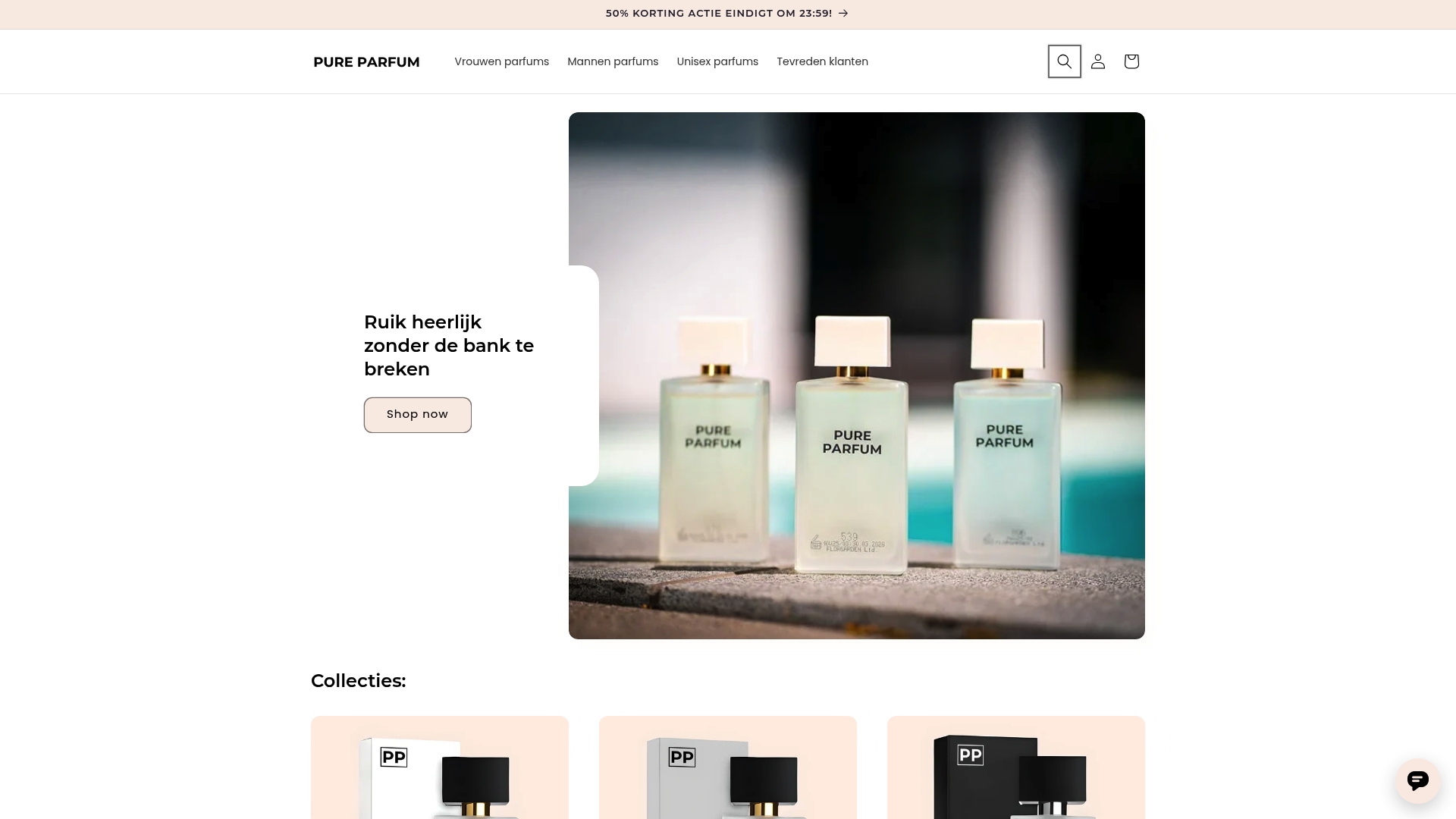
A few concrete options to get started:
- The 3x100ml perfume bundle lets you test and combine multiple fragrances for different occasions.
- Our women’s perfumes and men’s perfumes are vegan, animal-friendly, and contain a higher concentration of perfume oil than many comparable brands.
- The body care collection offers moisturizing products that work as a fixing layer under any perfume.
View the full range on our homepage and create a routine that fits your favorite scent and occasion.
Frequently asked questions
What does sillage mean exactly?
Sillage is the scent trail you leave in a room, separate from how long you personally can smell the fragrance on your skin. It depends on how quickly and how far fragrance molecules spread through the air, which in turn relates to the volatility of the ingredients used.
How do you make sure your perfume lasts all day?
Hydrate your skin with an unscented lotion before you spray, use multiple pulse points, and choose an Eau de Parfum with a higher concentration of perfume oil instead of an Eau de Toilette. Also store the bottle cool and dark so the composition stays stable, as explained in our explanation about perfume longevity.
How long does 30 milliliters of perfume last?
That depends strongly on how many sprays you use per application and how often you wear the perfume—there isn’t a fixed duration. If you consciously use multiple pulse points instead of spraying excessively, you’ll generally get more applications from the same bottle.
Why does my perfume fade so quickly?
A dry skin, a warm environment, or rubbing your wrists after applying are the most common causes of fast evaporation. An oily base layer like body lotion or a thin layer of petroleum jelly noticeably slows down this process, as shown by experimental Penn State research on perfume and lotion.
Does my skin type affect how strong my perfume smells?
Yes. An oily skin naturally holds fragrance molecules longer, while dry skin lets them evaporate faster. That’s why the same perfume can produce a different scent trail and different longevity on two different people.
Sources
- Sillage in Perfumery (WPC 2018)
- Penn State news: Perfumes and lotions disrupt how body protects itself from indoor air pollutants