


Manufacturers must test their products for safety, including for vulnerable groups. Yet your sense of smell often changes during pregnancy, and some substances receive extra attention. Use with moderation, watch for signals from your body, and read on for the evidence and practical rules.
In short:
- Regulations require that perfume products are tested for safety in advance, including for vulnerable groups such as pregnant women, which is why legally marketed products are safe.
- Precautionary advice is mainly aimed at high or constant exposure, not occasional use, and individual sensitivity during pregnancy can vary greatly.
- Ingredients such as phthalates, parabens, and synthetic musk compounds are not recommended if you have doubts, but a reaction or irritation should always be the reason to stop.
- One to two sprays on clothing and performing a patch test before use reduce exposure and lower the risk of negative reactions during pregnancy.
- If you experience symptoms such as skin reactions, breathing problems, or persistent nausea, it’s wise to contact your midwife or doctor right away.
Table of contents
- What do science and regulations say about the safety of perfume during pregnancy?
- Which ingredients are often discouraged and why
- How to use perfume more safely during pregnancy
- When should you contact your midwife or doctor?
- Which Pure Parfum options suit pregnant users?
- What I think about scent and pregnancy
- Milder options for those who prefer a more restrained fragrance
- Key sources for deeper understanding
- Sources
What do science and regulations say about the safety of perfume during pregnancy?
European cosmetic regulations require every manufacturer to keep a product information file demonstrating the safety of a fragrance substance or formula, including effects on vulnerable groups such as pregnant women. That means that a perfume legally sold on the Dutch market has already passed a safety assessment before it lands on your shelf. The Dutch Cosmetics Association confirms that, in many cases, women can keep using the same cosmetics during pregnancy, precisely because this assessment has already taken place.
Nevertheless, there are warnings on the internet that go beyond what those regulations require. These often stem from precaution rather than hard evidence of harm from normal exposure. For example, Denmark provides stricter guidance than the Netherlands, as an application of the precautionary principle. This is not a binding rule here, but a different risk assessment.
The distinction that is often overlooked: most research into fragrance substances and hormone disruption looks at high, repeated exposure, such as for factory workers who handle raw materials daily. That is a different situation than putting on perfume a few times a day. Midwifery explains why hormone-disrupting substances are still on information lists: out of caution, not because every use has been proven to be risky.
What remains when you put all the sources side by side:
- EU legislation assesses perfumes for safety in advance, including for pregnant users.
- Precautionary advice mainly exists for high or long-term exposure, not for occasional use.
- Individual sensitivity during pregnancy can differ significantly from what you normally tolerate.
Key point: no Dutch or European source states that normal perfume use is proven to be harmful to pregnancy. The advice you find online is almost always precautionary measures, aimed at comfort and avoiding unnecessary exposure.
Which ingredients are often discouraged and why
Not every ingredient in a bottle of perfume deserves the same level of attention. Some groups consistently come up in advice to pregnant women; others are especially relevant when there’s doubt about skin reactions.
- Phthalates are used to help fragrances last longer in some formulas. They appear on precaution lists due to their link with hormone disruption at high exposure levels, such as Midwifery describes.
- Parabens act as preservatives and show up in broader discussions about hormone disruptors in cosmetics, although the evidence for normal skincare is limited.
- Synthetic musk compounds provide a long-lasting base scent, but some variants are mentioned in research on accumulation in the body.
- Essential oils such as certain citrus or herbal extracts can intensify nausea or skin irritation—something Sanex specifically highlights as a point of attention during pregnancy.
On the label, you’ll usually recognize these substances by their INCI names: “parfum” or “fragrance” as a collective term, “BHT” and parabens often with the addition “paraben” in the name, and phthalates sometimes found as “diethyl phthalate” (DEP).
Pro tip: An ingredient is only a reason to leave a product on the shelf if you notice a reaction yourself, such as itching, redness, or persistent nausea. If you don’t consciously think about it, that in itself is not a sign to stop.
How to use perfume more safely during pregnancy
A few simple adjustments make the difference between enjoying a scent and exposing yourself unnecessarily.
- Reduce the number of sprays. One or two times is usually enough to keep the scent with you all day, especially with a perfume that has a higher oil concentration.
- Spray on clothing, not directly on your neck or wrist. This keeps the scent closer to you, but gives you less direct skin contact with the formula.
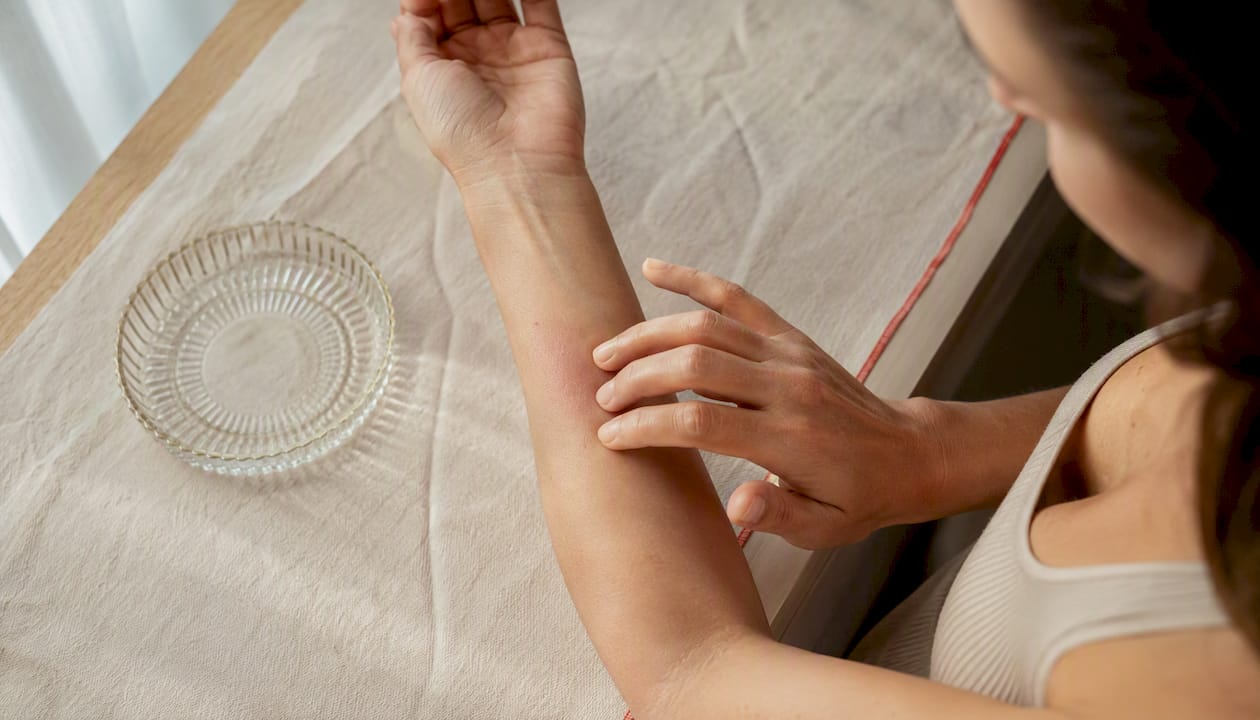
- Always do a patch test with a new product. Apply a small amount to the inside of your arm and wait a day before using it on a larger scale.
- Ventilate the room well if you’ve just applied perfume, especially in small rooms or near where your baby will sleep soon.
- Skip perfume if you feel nauseous. Scent sensitivity often peaks in the first trimester; don’t force it when your body clearly says “no.”
| Situation | Recommended approach |
|---|---|
| Daily use, no complaints | Normal amount, apply to clothing |
| First trimester, nausea | Delay use or limit it strongly |
| New product | Patch test on the arm, wait one day |
| Small room or baby’s bedroom | Extra ventilation, spray outside the room |
| Prefer a milder option | Choose body lotion or an alcohol-light formula |
If you prefer using something less concentrated, you can switch to an mild scented body lotion instead of a spray, or try an alcohol-light eau de toilette as a step in between.
When should you contact your midwife or doctor?
Most reactions to perfume are harmless and go away on their own. A few signs do deserve immediate attention.
- Allergic skin reactions, such as rash, severe itching, or swelling, are a reason to stop using the product right away and contact a professional.
- Breathing complaints after exposure to a scent, such as shortness of breath or coughing, should not be ignored.
- Persistent or severe nausea and headaches that keep occurring after using perfume may indicate a higher sensitivity than normal.
- Existing medical conditions or medication call for personal advice from your midwife, because individual situations can vary greatly.
If you’re unsure, calling your midwife’s practice is always faster and more reliable than an online search.
Which Pure Parfum options suit pregnant users?
Pure Parfum makes perfumes with a concentrated amount of perfume oil. That doesn’t automatically mean “safer,” but it does give you more freedom in how you apply a scent.
- A body lotion with a light scent releases less concentrated vapors than a spray, which can feel more comfortable with increased sensitivity.
- Alcohol-light formulas usually irritate the skin less than formulas with a high percentage of alcohol, especially with dry or sensitive pregnancy skin.
- A scented hand cream is an easy way to enjoy fragrance without using a full spray.
Practical advice remains the same as mentioned earlier: test new products first on a small patch of skin, use less than you’re used to, and stop if you have any doubts. If you want to see what’s available right away, you can start by checking out the mild scented body care.
What I think about scent and pregnancy
Scent is more personal than most people realize, and during pregnancy that relationship sometimes changes completely. A scent you’ve worn for years can suddenly feel unbearable—and that’s not imagination but a real phenomenon. Two things I found helpful myself: keep one neutral, mild option for worse days, and never throw away your favorite bottle right away. Your sensitivity often changes more often than you think.
— J
Milder options for those who prefer a more restrained fragrance
If, during pregnancy, you prefer to take a step back without completely stopping fragrance, there are plenty of choices within the Pure Parfum range. The formulas are priced without expensive marketing markups, which means you don’t pay extra just to consciously choose.
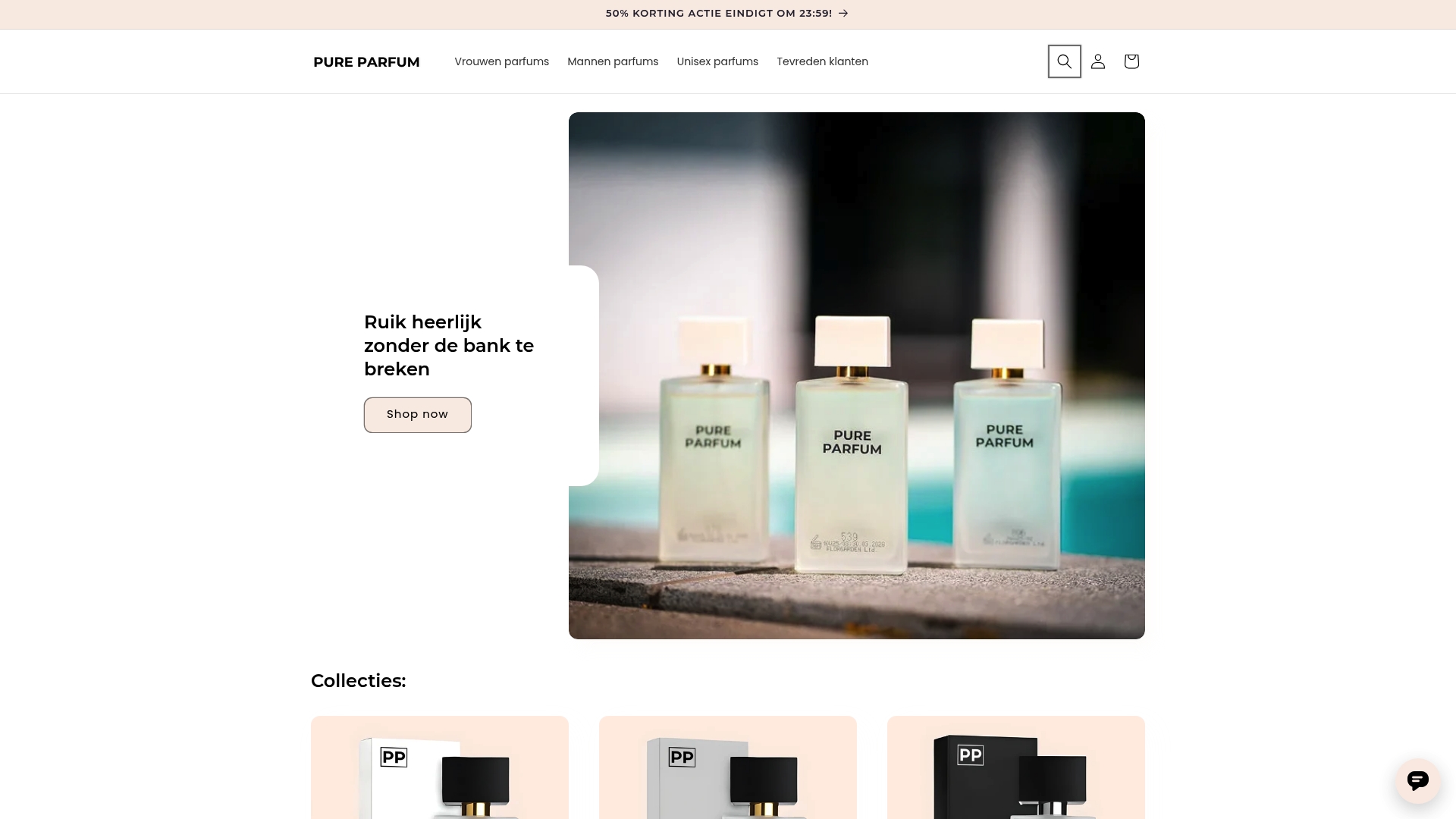
Practically speaking, an assortment bundle with multiple fragrances is a handy way to vary and test which scent your body currently tolerates best, without immediately committing to a full bottle for just one choice. Check the product pages for the exact composition of each scent, and always do the patch test first before using a new product on a larger scale.
Key sources for deeper understanding
If you want to read more yourself, these are the sources that most clearly distinguish between regulations, consumer advice, and background information:
- Dutch Cosmetics Association explains the European regulations and the product information file.
- Sanex provides consumer-focused guidance on deodorant and perfume during pregnancy.
- Midwifery explains what hormone disruptors are and why they are listed on precaution lists.
- Parfum Vergelijken bundles practical precautionary measures for everyday use.
This article contains general information and does not replace the advice of a qualified doctor. Consult a qualified healthcare professional about your own situation before acting based on this content.