


If you have sensitive skin, alcohol-free perfume oils, solid perfumes, and gentle body mists are usually your safest choice. They lack the drying alcohol base that classic eau de toilette and eau de parfum often contain. Pureparfum offers vegan formulas with a higher oil concentration, meaning you need to spray less often. Always start with a patch test and check the INCI for known fragrance allergens before using a new product on your skin.
In short:
- Choosing responsibly for sensitive skin mainly means opting for alcohol-free perfume oils and solid perfumes, which do not contain drying alcohol.
- With skin irritation, fragrance ingredients such as limonene, linalool, and geraniol can cause allergic reactions, especially in essential oils that often sensitize more strongly.
- Oil-based perfumes and water-based mists are gentler on the skin than sprays with high alcohol percentages, because they cause less drying and irritation.
- A patch test on a thin area of skin and avoiding spraying directly on the neck or wrists significantly reduces the chance of skin reactions.
- Pureparfum offers vegan formulas with high oil concentration, better tolerability, and affordable trial sets for sensitive skin that want to test multiple scents.
Table of contents
- Why do alcohol and certain fragrance ingredients cause skin irritation?
- Which perfume forms are the most skin-friendly?
- How do you test and use a new perfume safely?
- Which Pureparfum products suit sensitive skin?
- What I would do differently myself if I had sensitive skin
- Ready to choose a skin-friendly fragrance?
- Sources
Why do alcohol and certain fragrance ingredients cause skin irritation?
The culprit in most classic perfumes is ethanol, also known as alcohol denat. This works as a carrier for the fragrance ingredients and helps the scent spread, but it also dries out the skin and can cause irritation in sensitive skin. The higher the alcohol percentage, the more likely it is that your skin will turn red, sting, or even show small bumps after application.
Alcohol is not the only risk. Certain fragrance ingredients are known to be sensitizing, which means they can trigger an allergic reaction with repeated contact. European regulations require manufacturers to list common fragrance allergens on the label once they exceed a certain threshold value. When reading the ingredient list, look out for these names:
- Limonene, often found in citrus scents and unfortunately a classic trigger
- Linalool, widely used in floral and woody compositions
- Geraniol, found in rose fragrances and some spicy accents
- Cinnamal, characteristic of cinnamon-like and warm scent profiles
- Hydroxycitronellal, often used in musky or powdery scents
A misconception you often come across: natural would automatically be safer. That’s not true. Essential oils contain high concentrations of exactly these substances and can sensitize more strongly than a well-composed synthetic blend. If you have sensitive skin, you’d do better to scan the INCI list for the names above than to blindly trust the label “natural” or “organic”.
Which perfume forms are the most skin-friendly?
Not every perfume form burdens your skin equally. The choice between oil, solid, water-based, or classic spray makes a real difference in how your skin responds.
- Perfume oils. These lack a volatile alcohol base and therefore stay on the skin longer without drying it out. They are often better tolerated than alcohol-containing sprays and also provide a longer, more stable scent release because oil evaporates more slowly.
- Solid perfumes and balms. You apply them with your finger, exactly where you want them, without spreading over large skin areas. Less volatility means less contact time with alcohol or high concentrations of fragrance ingredients.
- Water-based and caring mists. Brands like Guerlain bring “aqua” formulas to the market that are alcohol-free and sometimes include moisturizing ingredients, making the formula gentler for dry or easily irritated skin.
- Concentration isn’t everything. Eau de parfum typically contains more fragrance ingredients than eau de toilette, but that says nothing about the alcohol percentage. An oil with a high concentration of perfume oil can actually feel milder than a light spray with lots of alcohol, because the carrier makes the difference, not just the dose of fragrance ingredients.
Pro tip: Do you react quickly to new products? Start with a roll-on or solid perfume instead of a spray. You apply less product at a time and you’ll notice sooner whether your skin reacts somewhere—before you’ve used up a full bottle.
How do you test and use a new perfume safely?
A patch test takes you two minutes and may save you days of irritation. Apply a small amount of the product to the inside of your elbow or forearm—an area where the skin is thin and sensitive, but still easy to observe.
- Leave the product on for 24 to 48 hours without washing that area.
- Watch for redness, itching, swelling, or a burning sensation.
- Write down the date and the exact product, especially if you test multiple fragrances at the same time.
- If there’s no reaction within that period, you can carefully try the product on a larger area.
If you have a very sensitive skin, don’t spray directly on your neck or wrists. Perfume on clothing, in your hair, or on a scarf gives you the same scent experience without direct skin contact. This advice is regularly given to people with reactive skin, and it also works practically: scent on fabric often lasts longer than scent on skin.
Less is almost always better. A high-concentration perfume oil simply needs fewer applications than a diluted spray, so you automatically limit the number of skin contacts per day. If, despite all precautions, redness, swelling, or pain persists, stop using the product immediately and consult a dermatologist. Ongoing reactions are not a matter of “pushing through for a bit”.
Which Pureparfum products suit sensitive skin?
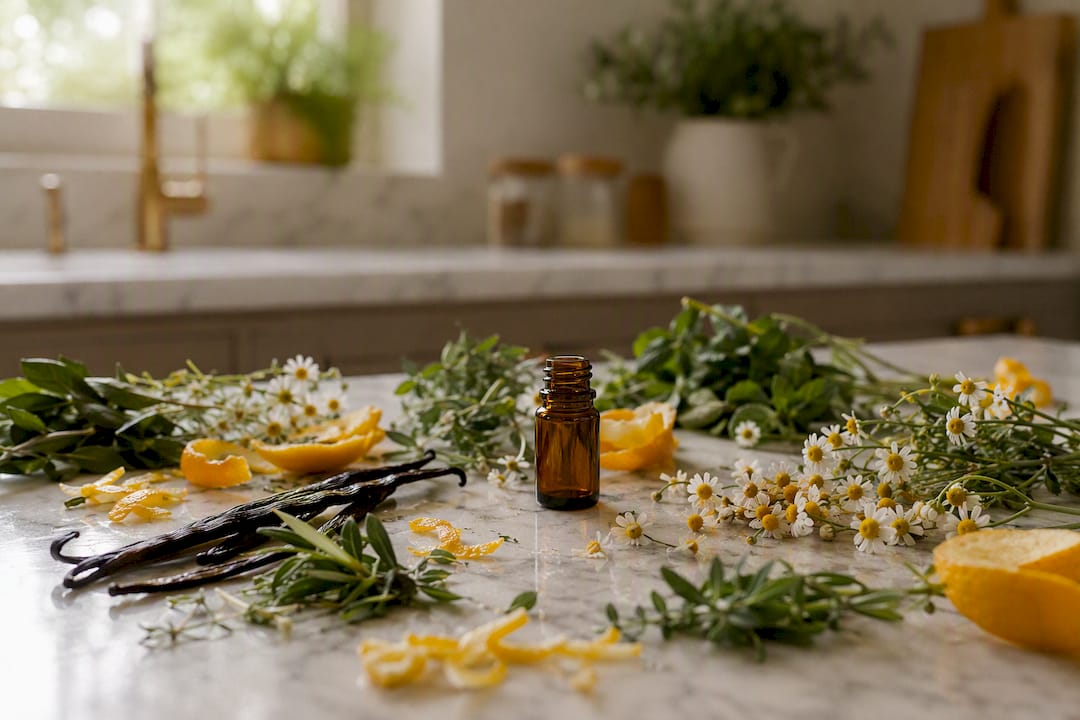
Pureparfum focuses specifically on people who want fragrance without the downsides of expensive packaging, aggressive marketing, or unnecessarily high alcohol percentages. The collection is fully vegan and cruelty-free, with a higher perfume oil concentration than many mainstream brands. That last detail is exactly why the products often feel nicer on reactive skin: more oil, and relatively less alcohol.
For anyone with sensitive skin, these product formats are worth considering:
- The perfumed body lotion combines care with fragrance—ideal if you’d rather not use a direct spray on your skin.
- The perfumed hand cream provides a subtle scent experience on a small, easy-to-observe area of skin—perfect for a first test.
- Smaller sizes and sets let you try multiple scents without immediately risking a large bottle on skin that still needs to get used to it.
Thousands of customers have already rated Pureparfum products positively, which is a sign that the formulas are well tolerated by a broad group of users. That’s not a guarantee for everyone; every skin reacts differently. Start with a small amount on a care product like the body lotion or hand cream, do the patch test as described above, and always check the ingredient list if you know you’re sensitive to specific fragrance ingredients such as limonene or linalool.
What I would do differently myself if I had sensitive skin
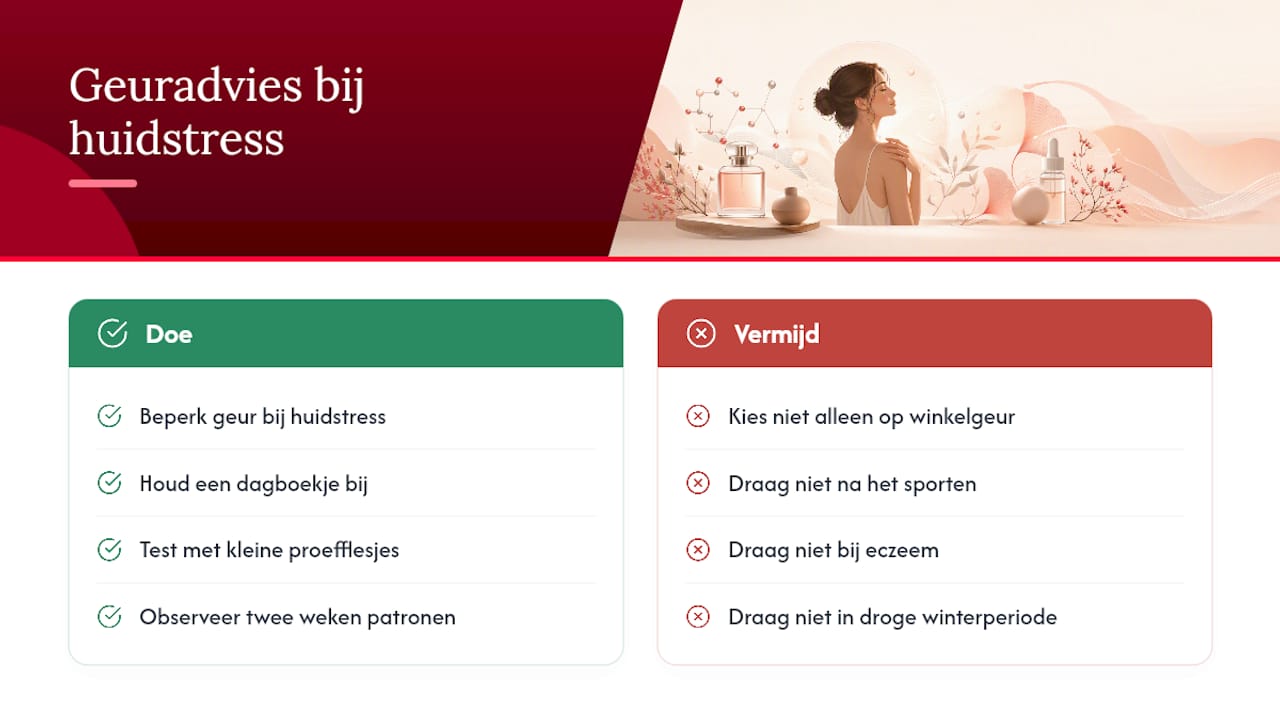
Most people buy a perfume based on how it smells in the store, not on how their skin reacts to it the next day. That’s the reverse order. If I had sensitive skin, I would keep fragrance exposure to a minimum at exactly the moments when my skin is already under pressure: after working out, during a flare-up of eczema, in winter when the skin is drier anyway. A simple little diary of which product you used and how your skin responded is underestimated. Within two weeks, you’ll see patterns that you would never associate with a perfume otherwise.
Start small. A test set with multiple scents in small bottles will teach you more about your own skin than one large bottle of a fragrance you happen to like in the store.
— J
Ready to choose a skin-friendly fragrance?
While classic designer perfumes often force you to choose between a high alcohol percentage or a price of eighty euros for 50 ml, Pureparfum offers a third option: vegan, cruelty-free formulas with a higher oil concentration, at a price that makes it affordable to test multiple scents.
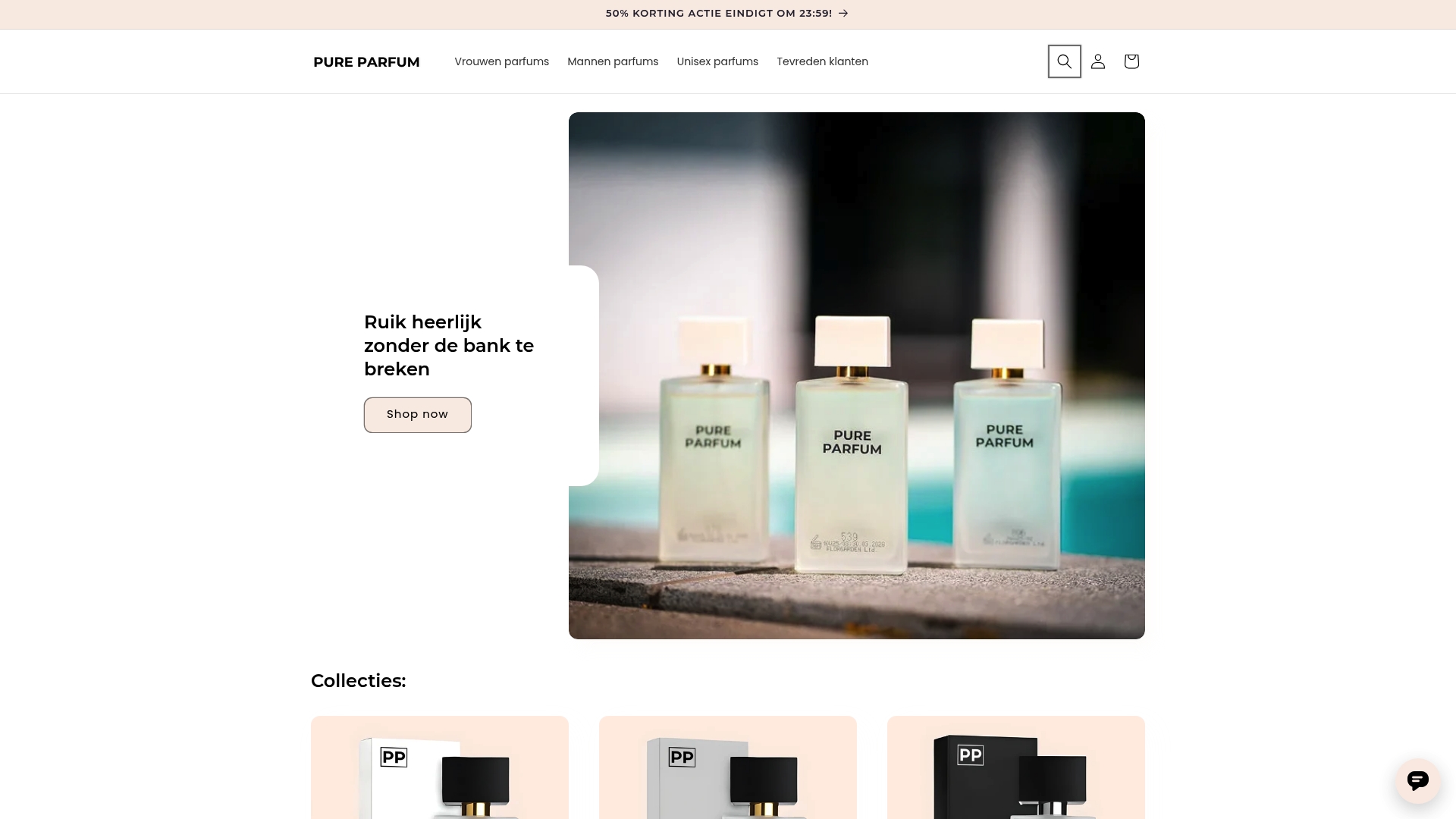
That’s exactly where this makes a difference for you. If you have sensitive skin, you don’t want to immediately spend a hundred euros on a bottle you might not tolerate. The 30ml x4 perfume set from Pureparfum lets you test four fragrances at once in a size that’s big enough to truly experience, but small enough not to create a financial risk. If your skin reacts well to one of the four, later you can switch to a larger bottle or choose the 3x100ml perfume bundle for long-term use. Want your skincare routine to include skin-friendly scents too? Check out the perfumed hand cream as a calm first step. For salons that run and advise clients on skin-friendly product choices, ProSuite offers practical tools to manage appointments and sales. Order a test set today and start your own patch test—without it costing you a fortune.