

In 2026, perfume is all about refined gourmands with a nostalgic core, green matcha accents, skin-close musks, and scent layering as a daily habit. These trends share one thing: comfort is at the center, but without the sugary clumpiness of the past. If you experiment, you do it through small niche discoveries alongside familiar comfort scents, and sustainability via vegan formulas and refillable bottles is weighing more and more heavily in the purchase decision.
In short:
- Neo-gourmands get a smoky and roasted texture in 2026, with vanilla and amber adding more depth than sweetness.
- Green fruit notes like matcha and plum become darker and spicier, with a combination of tangy and plant-like character.
- Skin scents and musks stay close to the skin and are often paired with body products for a personalized scent profile.
- Niche fragrances reinterpret classic notes like leather, tonka, and rose with softer, unexpected accents—and dare to experiment.
- Sustainability becomes visible in vegan formulas and refillable packaging, with concrete claims and traceability growing increasingly important.
Table of contents
- The five perfume trends of 2026 you need to know
- Nostalgia and neo-gourmands: how comfort scents evolve
- Dark fruits and matcha: the green side of fruit
- Skin scents, musks and layering: wearability and texture
- Niche innovation: leather, tonka, and rose reinvented
- Sustainability, vegan claims, and packaging: what research shows
- Unisex fragrances and the fluid line between men and women
- AI fragrance development and biotechnology in the bottle
- Wellness, mental health, and the need for comfort scents
- Regional differences in fragrance preferences worldwide
- Marketing and consumer behavior: how brands respond to trends
- What these trends really mean, according to me
- Pure Parfum: wearing trends without the designer price
- Sources
The five perfume trends of 2026 you need to know
Before you dive into the details, here’s an overview of the movements shaping the fragrance world this year.
- Neo-gourmands: vanilla and amber get a boozy, roasted twist instead of pure sugary sweetness.
- Green fruit accords: matcha and plant-like accents give dark fruits like plum and raspberry a fresher, less jammy finish.
- Skin scents and musks: skin-close fragrances that stay close to your body, often built around white or ambrette musk.
- Scent layering: use perfume, body lotion, and hand cream together to build one scent profile.
- Unisex niche experiments: leather, tonka, and rose in unexpected, gender-neutral combinations.
Each trend above will be covered in more detail next, with specific notes and wear advice. If you only want to stick to this list, you already have enough to refresh your fragrance wardrobe in 2026.
Nostalgia and neo-gourmands: how comfort scents evolve
Uncertain times drive people toward fragrances that evoke a sense of safety, and that explains why comfort and escapism set the tone in 2026. Vanilla and amber remain the foundation, but perfumers are adding texture to it that used to be missing.
Where the classic gourmand was mainly sweet, experts predict that 2026 is about boozy vanilla, roasted notes, and tonka that feels almost smoky, complemented by amber that adds more depth than sweetness. This comes down to texture architecture: layers of lactones, amber, and roasted accords keep a gourmand rich without making it feel like dessert.
When testing, pay attention to:
- How the scent develops after twenty minutes. A good neo-gourmand becomes drier, not sweeter.
- Whether there’s a smoky or woody base layer that keeps the vanilla balanced.
- Whether amber dominates or supports.
Pro tip: Always test a gourmand on your own skin and wait at least an hour. Vanilla and amber react strongly to body heat, so what smells sweet in the store may feel warm and dry on you.
Dark fruits and matcha: the green side of fruit
Fruit accords shift from fresh and bright to dark and “moody.” Plum and raspberry now appear more often in muted, wine-like variations instead of the candy-like fruitiness of previous years.
Matcha is the most striking newcomer within this shift. The note brings a grassy, slightly bitter texture that makes fruit less sweet and more plant-like—similar to how espresso makes a dessert feel more intense without making it sweeter.
- Combine matcha with plum for a scent that feels both dark and green.
- Look for raspberry with a woody or earthy base layer instead of pure fruitiness.
- Test green fruit fragrances in the afternoon: the bitter top then feels less sharp than right after spraying.
This combination of dark fruit and green bitterness works especially well as a layer under a woody or musky base scent.
Skin scents, musks and layering: wearability and texture
Skin scents are fragrances that stay close to your skin instead of forming a cloud around you, and musk is the key building block. They’re designed to smell subtly and warmly—almost like an improved version of your own skin scent.
Scent layering, or scent stacking, has become a standard part of how people wear perfume. Instead of one signature scent, more and more people combine perfume with body products to get a richer, more personal result.
- Start with a scented body lotion or body wash as your base layer.
- Spray your perfume onto pulse points where body heat activates the scent: neck, wrists, inner elbow.
- If you want, add a scented hand cream for a subtle scent layer that lasts all day.
Pro tip: Never stack two strong fragrances with the same dominant note. Instead, pair a musk-driven skin scent with a light, fruity or green layer so the fragrances complement each other rather than clash.
Niche innovation: leather, tonka, and rose reinvented
Niche houses are willing to go further in 2026 than big brands, partly because indie brands are showing stronger growth than the established market. That space translates into fragrances that radically reinterpret classic notes.
- Leather no longer shows up as tough and smoky, but soft—combined with powdery iris.
- Tonka gets a salty or smoky twist instead of classic almond-like sweetness.
- Rose becomes darker and earthier with patchouli or vetiver, far from the classic floral image.
Want to explore niche safely? Start with small sizes or samples before investing in a full bottle. That way, you discover unexpected accents without financial risk.
Sustainability, vegan claims, and packaging: what research shows
Vegan beauty is growing despite a dip in explicit online interest in the term itself. Vegan cosmetics generated about $668 million in sales on Amazon over the last twelve months up to early 2026, an increase of roughly 16% year over year, while social media interest in the term “vegan” dropped by about 32%.
Research into consumer behavior shows that messages about animal welfare more often lead to a purchase than general environmental claims, because they evoke a sense of pride rather than guilt.
That pattern is relevant when you evaluate claims on a label yourself. Cruelty-free messages work better than vague sustainability language, especially when they’re specific rather than general.
Packaging shows something similar: refillable systems are gaining ground because they can reduce material use after the first purchase by 70 to 80%. When buying, look for:
- Is there a concrete, verifiable claim (for example, “100% vegan formula”) instead of a vague term like “natural”?
- Is there a refill option for the bottle or packaging?
- Is the origin of ingredients made traceable, for example via a product passport?
Unisex fragrances and the fluid line between men and women
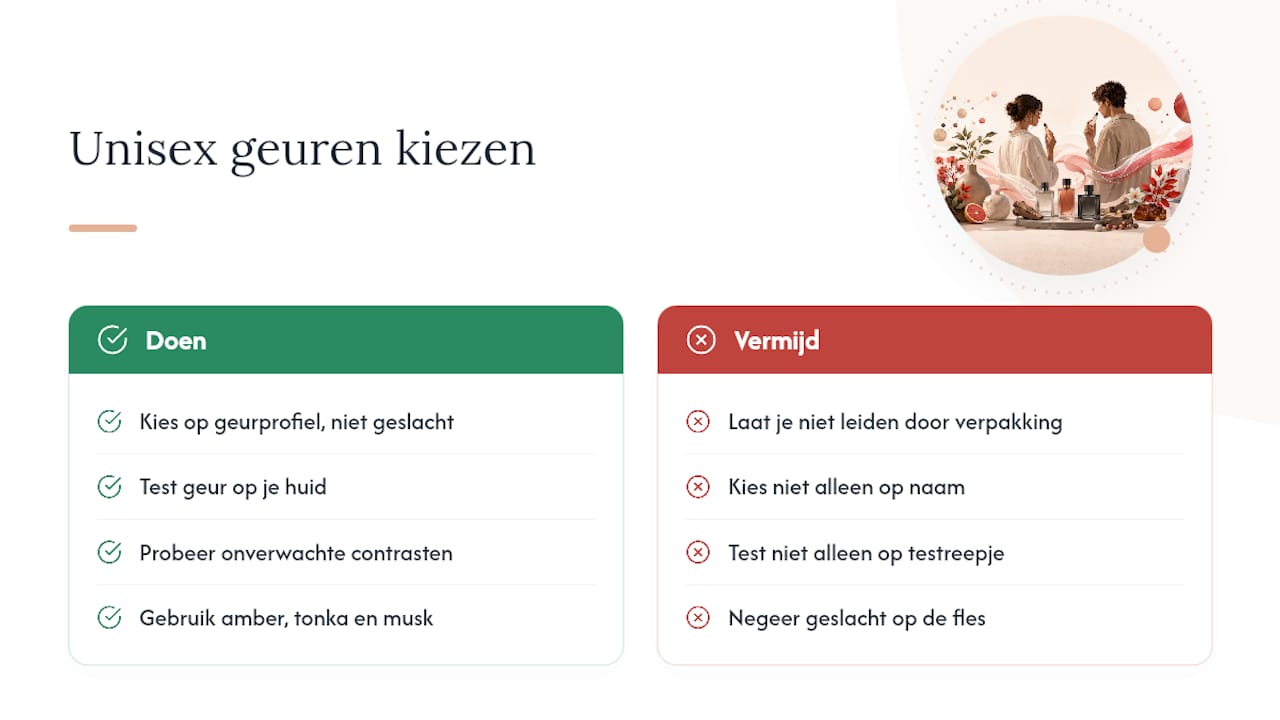
The strict separation between men’s fragrance trends and women’s fragrance trends continues to blur further in 2026. Notes that once belonged firmly to one camp—like leather, oud, and vetiver for men, or rose and jasmine for women—are now appearing in fragrances designed for everyone.
This shift doesn’t happen out of nowhere. Younger buyers increasingly decide based on the scent profile rather than the gender printed on the bottle, and brands follow that logic by doing less gender-specific marketing. A woody, musky base scent now works just as well on a man’s wrist as on a woman’s, as long as the concentration and supporting notes are right.
Niche experiments play into this by combining contrasts that traditionally don’t go together: a sweet gourmand with a smoky leather note, or a floral rose next to sharp pepper. Those combinations work precisely because they break the expectation of “this smells masculine” or “this smells feminine.” What remains is a fragrance that mainly smells like the person wearing it—not like a marketing label.
If you want to experiment yourself: when choosing, don’t let packaging or the name of a fragrance lead you, but how the note develops on your skin. Amber, tonka, and musk often perform universally well, while sharp citrus or sweet gourmands can react a bit differently on different skin types. That’s why you should always test on skin, not on a test strip.
AI fragrance development and biotechnology in the bottle
Technology is changing step by step how new fragrances come to life, even if the perfumer’s nose still has the final say. Software tools that calculate thousands of combinations of molecular structures help fragrance houses switch between concepts faster before a scent ever reaches a test bench.
Biotechnology plays a separate but growing role. Fermented raw materials and biotechnologically grown molecules make it possible to replace rare or animal-derived ingredients—such as musk or amber from natural sources—with vegan alternatives that come close to the original in terms of scent profile. That’s exactly why vegan perfumes today can smell just as complex and long-lasting as their traditional counterparts: the ingredient is produced differently, not necessarily with a different scent character.
For the average consumer, this mainly means more choice within the same price segment. Where synthetic and biotechnological molecules used to be expensive and experimental, they’re now widely available—driving down cost without sacrificing scent intensity. That also helps explain why affordable perfumes with a high concentration of fragrance oil can exist alongside expensive designer brands without the wear time making the difference.
Wellness, mental health, and the need for comfort scents
Fragrance preferences in 2026 follow a broader societal pattern: people consciously look for products that provide a sense of calm or control during an unsettling period. That partly explains why comfort scents like vanilla and amber remain so dominant, while sharp, showy fragrances lose ground.
This wellness-focused perspective also changes how people apply perfume. A fragrance becomes less of a status symbol and more of a small daily ritual—similar to a cup of tea or a short walk. That explains the popularity of skin scents: a subtle, skin-close fragrance fits that soothing function better than a heavy, intrusive cloud that fills the whole room.
Mental health also plays a role in how people combine fragrances. Layering familiar, soft notes gives a sense of recognition throughout the day, while a fresh green accent like matcha adds just enough alertness to keep you from disappearing into a heavy, sleepy scent cloud. Perfume becomes increasingly a tool for steering your mood—not just for impressing others.
Regional differences in fragrance preferences worldwide
What’s “trending” varies greatly by region, and that shapes how brands build their collections. In Western Europe, woody and musky skin scents dominate, while in the Middle East intense oud and amber concentrations are still the norm. Asian markets, especially South Korea and Japan, lead the demand for light, green, and fruity notes like matcha—helping explain the rise of that note in Western collections.
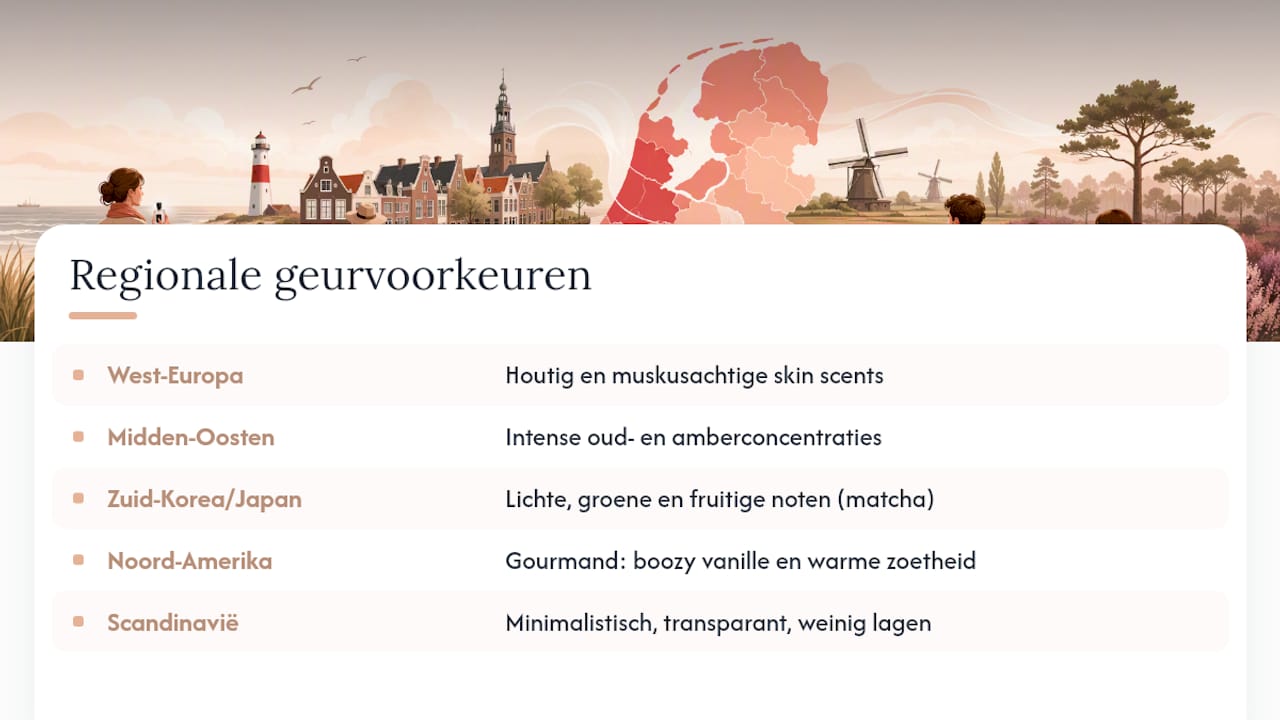
North America follows the gourmand trend strongly, with a clear preference for boozy vanilla and warm, sweet base scents, while Scandinavian markets tend toward minimalist, transparent fragrances with fewer layers. This regional spread means international launches often appear in multiple versions, adjusted to local preferences for intensity and sweetness.
For the individual buyer, this mainly means that a fragrance considered “subtle” in one region may feel “weak” in another. If you order online, it’s wise not to rely only on the name of a trend, but to pay attention to the actual note pyramid. A “skin scent” from an Asian collection can be significantly lighter than a European variant with the same name.
Marketing and consumer behavior: how brands respond to trends
In 2026, brands are increasingly leaning into scent layering as a marketing story, with bundles and sets that present perfume, body lotion, and hand cream as one scent wardrobe instead of separate products. This approach matches how consumers actually shop: not for one bottle, but for a complete scent ritual.
Social media remains the biggest driver of which notes go viral, from matcha to boozy vanilla, but the way brands communicate sustainability is at least as important for the purchase decision. Concrete, verifiable claims work better than broad statements, which explains why more and more brands choose clear labels instead of vague terms like “eco” or “natural.”
Price transparency is playing an increasing role in consumer behavior. Buyers increasingly compare the cost of fragrance oil against the cost of packaging and marketing, and consciously choose brands that explain where their money goes. This shifts attention away from expensive bottles and famous ambassadors toward the actual composition and concentration of a fragrance—meaning quality per milliliter increasingly becomes the deciding factor in the final choice.
What these trends really mean, according to me
As someone who has been writing about fragrance development for years, I’ve noticed that 2026 is less about new notes and more about how you combine existing ones. The biggest progress is in texture and layering, not in exotic ingredients. Keep your bottles cool and dark, and test every trend first on your own skin before judging: no article, not even this one, can predict how amber or matcha will react to your specific skin chemistry.
— J
Pure Parfum: wearing trends without the designer price
Where big houses charge hundreds of euros for the same vanilla, amber, or musk note, Pureparfum focuses purely on the fragrance experience: vegan, animal-friendly perfumes with a high concentration of fragrance oil, inspired by well-known designer fragrances, without the costs of expensive bottles and marketing campaigns.
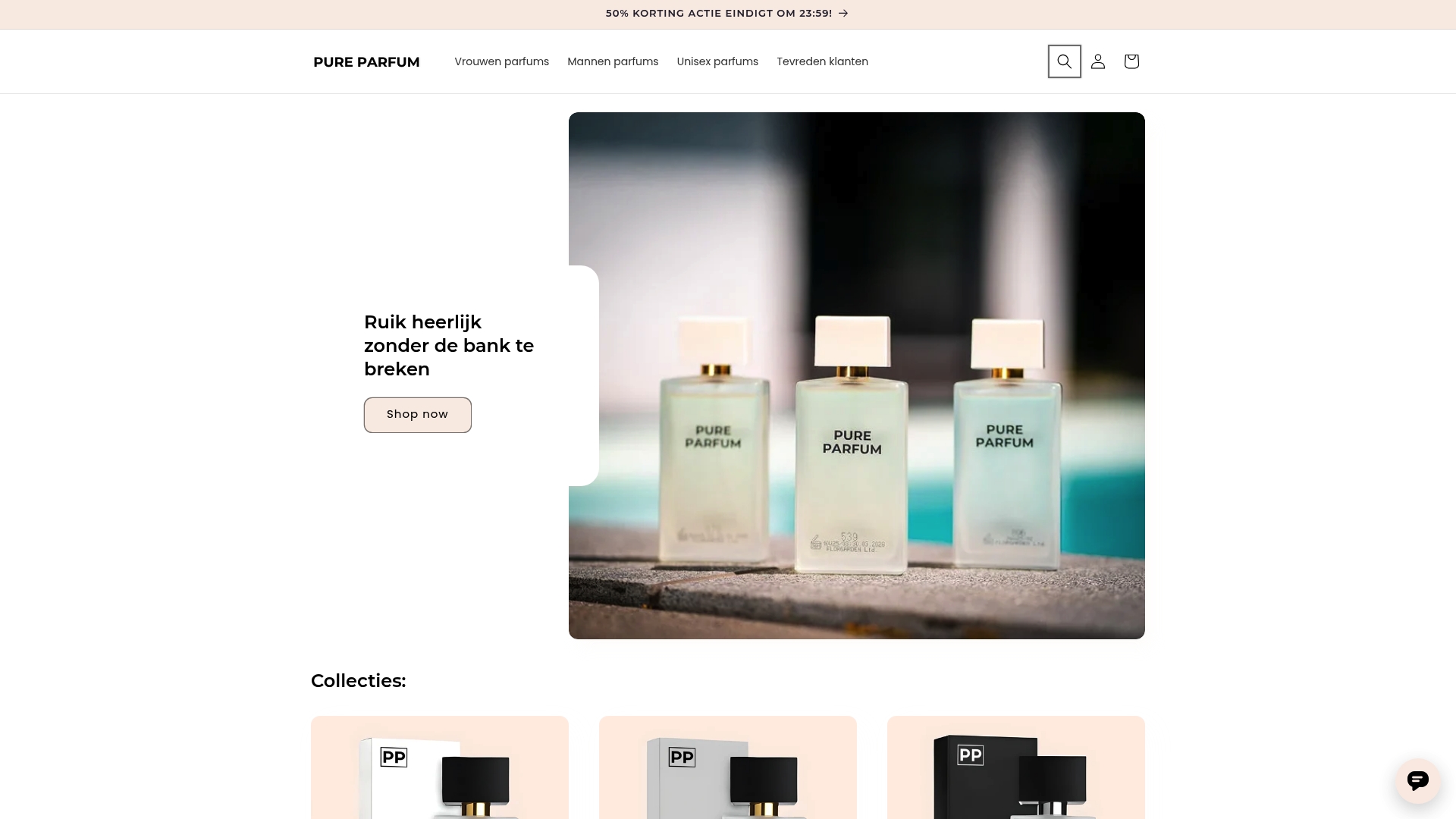
Want to try the trends from this article right away without investing in one expensive bottle? The 3x100ml perfume bundle lets you test multiple scent profiles side by side, from neo-gourmand to skin-close musk. For scent layering, the scented body lotion and the scented hand cream are a logical complement: together they build the layered scent that will be the norm in 2026. Check out the bundle and put together your own scent wardrobe today at Pureparfum.
Sources
- URI news — research on vegan cosmetics motivations (2026)
- Phys
- Allure — Fragrance Is All About Comfort and Escapism in 2026 (2026-02-06)
- ELLE — Spring 2026 perfume trends, according to fragrance experts (2026-04-16)
- Vogue — The 5 fragrance trends to try in 2026 (2026-03-16)