


Don’t apply directly to the skin: first wash it off, then moisturize with a balm and only spray your perfume afterwards on body points such as the wrists and neck—never on freshly shaved skin. Alcohol and strong fragrance ingredients can sting fresh shaving cuts and can make redness worse. Only mild, alcohol-free products or a light balm form the exception, especially for sensitive skin.
In short:
- After shaving, it’s better to apply an alcohol-free balm or lotion first and wait at least three minutes before using your perfume.
- Fragrance products with a higher perfume concentration, such as cologne, EdT, and EdP, can cause irritation on freshly shaved skin and should therefore be applied later.
- Avoiding alcohol-containing aftershaves and checking ingredients for fragrance allergens reduces redness and itching in sensitive skin types.
- A good care routine starts with cooling the skin and using soothing products, which reduces irritation and inflammation.
- For a long-lasting, skin-friendly scent, it’s wise to invest first in the right skincare and then choose a suitable, gentle perfume.
Table of contents
- Difference between aftershave, cologne, eau de toilette and perfume
- When and how to apply perfume safely after shaving
- Ingredients and fragrance allergens to watch out for
- Practical tips for sensitive or dry skin
- What a barbershop teaches you about aftershave care
- A fragrance that matches your skincare routine
- Sources
- Frequently asked questions
Difference between aftershave, cologne, eau de toilette and perfume
The confusion about perfume after shaving often happens because people treat “aftershave” and “perfume” as synonyms. They aren’t. Aftershave is first and foremost a care product, with a low percentage of fragrance oil and a formula designed to calm shaving cuts. Some variants contain alcohol to disinfect; others are alcohol-free and specifically meant for sensitive skin.
Cologne, eau de toilette (EdT), and eau de parfum (EdP) belong to a completely different category. They contain a higher percentage of perfume oil, which makes them more intense but also more aggressive on skin that has just been exposed to a razor. The higher the concentration, the greater the chance of a burning sensation upon direct contact.
In practice, concentration determines your choice:
- Aftershave (alcohol-free): suitable right after shaving, also for sensitive skin.
- Aftershave (with alcohol): effective against bacteria, but often stings on fresh skin.
- Cologne, EdT, EdP: save these for skin that has had a few minutes to recover.
If you’re unsure, choose the safer route: first a balm or lotion, then a fragrance product. That may sound overly careful, but it saves you an afternoon with a red, irritated face.
When and how to apply perfume safely after shaving
There’s a logical sequence to post-shave care, and that order determines how much irritation you’ll experience. Shaving experts consistently advise rinsing first with cool water, patting the skin dry, and then using a soothing balm before adding anything that’s fragranced—just like the practical tips from Scheerexpert also show.
- Rinse with cool water. This reduces the skin’s initial inflammatory reaction.
- Pat dry without rubbing, with a clean towel.
- Apply an alcohol-free balm or lotion and let it absorb.
- Wait 3 to 10 minutes, depending on how sensitive your skin is and how concentrated the product is.
- Spray your perfume on body-warm points: wrists, side of the neck, chest. Keep the bottle about 15 centimeters away and use 1 to 2 sprays.
Never rub your wrists against each other after spraying. That breaks down the fragrance molecule structure, causing your perfume to evaporate faster—which consumer guides such as Wikiparfum also emphasize. Notice you smell less in the afternoon? Spray again, instead of using three times as much in the morning.
Pro tip: Don’t combine two strong, very different fragrance families in the same day. A fresh citrus scent in the morning and a woody evening scent on the same skin almost always clash.
Ingredients and fragrance allergens to watch out for
If you regularly experience irritation after shaving, it’s a good idea to read the label before buying the fragrance. The European Union requires manufacturers to list certain fragrance allergens separately in the ingredient list once their concentration in leave-on products is above 0.001%, as laid down in Regulation (EC) No 1223/2009 on cosmetic products.
Six substances most commonly act as triggers:
- Limomene
- Linalool
- Geraniol
- Eugenol
- Cinnamal
- Hydroxycitronellal
This required listing makes it easier for you as a consumer to avoid a product that previously caused redness or itching. Do you often end up with a red neck after shaving? Then check the label first before buying a new scent, instead of guessing afterwards who the culprit was.
If you have a known sensitivity, choose simple formulas with fewer ingredients or an oil- or water-based product without unnecessary additions. The shorter the ingredient list, the smaller the chance that something is in there that your skin reacts badly to.
Practical tips for sensitive or dry skin
Sensitive skin needs a different order than normal or oily skin, and it starts with the aftershave itself. Alcohol-free balms with aloe vera, panthenol, glycerine, or witch hazel soothe the skin without drying it out, unlike classic alcohol splashes that actually remove moisture.
That’s how you choose by skin type:
- Dry skin: a rich balm with glycerine, followed by a light, hydrating fragrance.
- Sensitive skin: alcohol-free aftershave with witch hazel or panthenol—add perfume only after it has fully absorbed.
- Oily or normal skin: a light gel or lotion is often enough, with a little more room to combine directly with fragrance.
Pro tip: Don’t store your perfume bottle in the bathroom. Moisture and temperature changes speed up the deterioration of the fragrance oil, making your bottle smell good for a shorter time.
A fragranced hand cream is also a handy in-between step: it adds subtle scent to your hands without putting you at risk of irritating your face.

What a barbershop teaches you about aftershave care
What you learn in a barbershop is something most bathroom cabinets don’t do: cooling before caring works better than caring before cooling. A short cooldown with cold water, before the balm, reduces the skin’s direct inflammatory reaction and provides a more stable base for everything that comes after, including fragrance.

I start every morning with exactly that sequence: cold water, balm, wait, then a light spray on the neck instead of on the closed face. That makes a noticeable difference in irritation, especially in winter when the skin is already drier.
What stands out in the perfume industry is how often marketing and packaging determine the price—not the quality of the oil itself. Some brands intentionally respond to this by focusing on a higher oil concentration for a lower price, without the expensive marketing around it.
— J
A fragrance that matches your skincare routine
Anyone who invests first in the right skincare also wants a scent that does it justice: long-lasting, skin-friendly, and without unnecessary fuss. There are perfumes on the market that are vegan and animal-friendly, with a higher oil concentration than many well-known brands, and that fit into a daily routine rather than being an occasional, exceptional purchase.
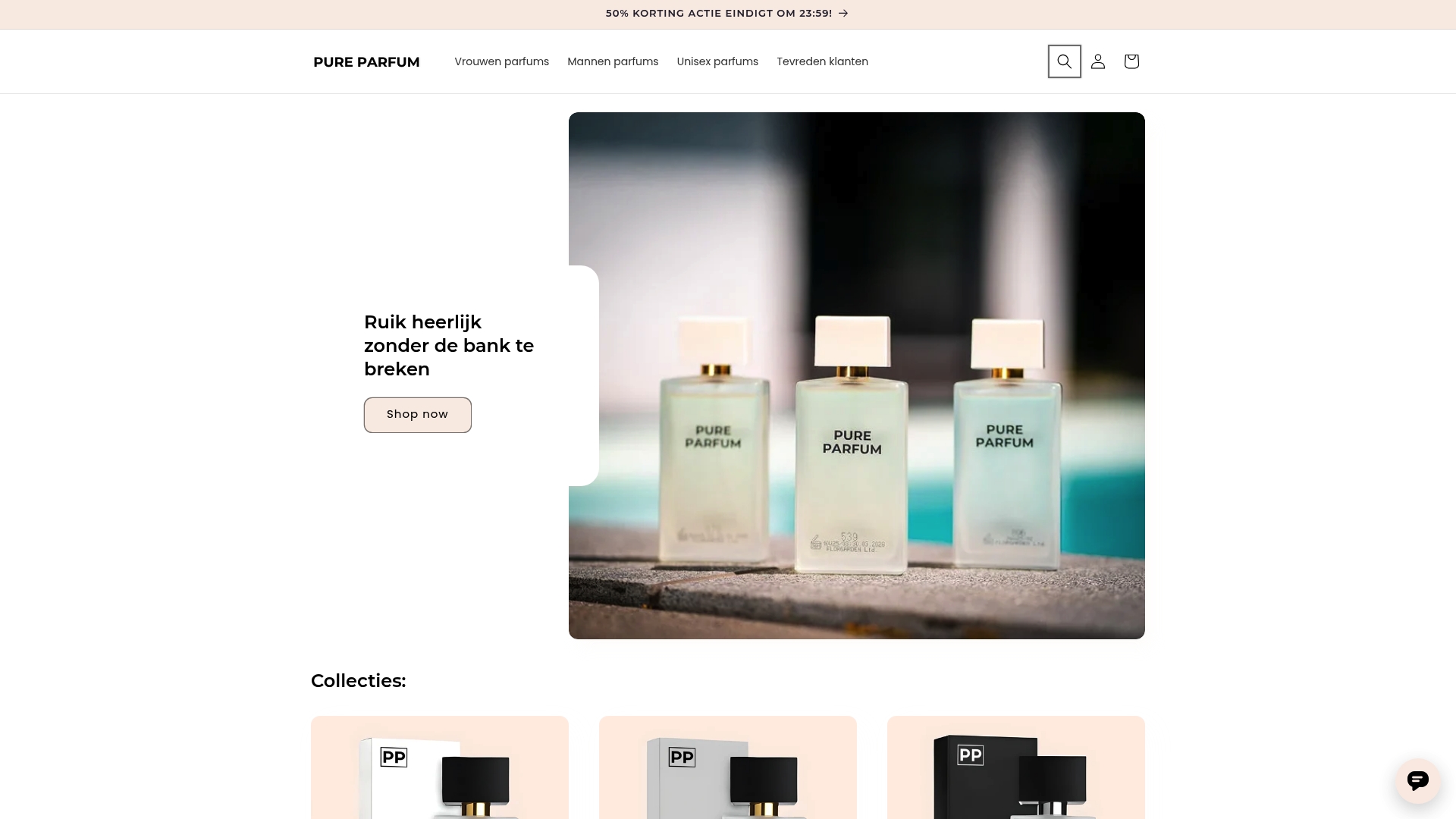
Want to test different scents for daytime and evening without buying a full bottle right away? The 3x100ml perfume bundle gives you that flexibility. Pair your fragrance choice with a matching body wash from the same line to help the scent last longer on your skin. See the full range at Pureparfum and build your own routine, from care to scent.
Sources
For anyone who wants to check ingredients themselves, European regulations on fragrance allergens provide a clear overview of required disclosures. The practical steps in this article follow Scheerexpert’s advice, and the fragrance suggestions come partly from the list of Vogue. Not sure about a product? Always consult the ingredient list first.
- Fragrance allergens labelling — European Commission
- Eau de toilette after shaving: to do or not to, difference with aftershave and best tips — Scheerexpert
Frequently asked questions
What is the biggest mistake men make after shaving?
The biggest mistake is applying an alcohol-containing product directly to freshly shaved skin, or combining it immediately with a concentrated perfume. Better to rinse first, dry, and use a soothing balm before adding fragrance—just as Scheerexpert advises.
Which scent gets the most attention?
This varies greatly by person and situation, but editorial roundups such as Vogue often mention lighter families like citrus, aquatic, and fougère as suitable for daytime, while woody or oriental scents fit better for the evening. A fragrance that works well with your own skin scent often performs better than a purely popular choice.
Is it advisable to drink alcohol after shaving?
This is about drinking, not skincare, and it has no direct influence on shaving irritation. More important for your skin is avoiding alcohol-containing aftershave on fresh shaving cuts, because that can further dry out and irritate the skin.
Is aftershave anyway a good thing to use after shaving?
Aftershave is usually a good choice, but not every variant suits every skin. Alcohol-free balms with panthenol or aloe vera are more suitable for sensitive skin, while alcohol-containing variants are mainly useful for disinfecting the skin on normal or oily skin.
Can I use Pureparfum right after my skincare routine?
Yes, as long as your skin has cooled first, has been dried, and has been cared for with a balm. Then apply the perfume to body-warm points such as the wrists and neck instead of directly on the face, and if in doubt choose a light amount to avoid irritation.