


Yes, you can wear perfume at work, but sparingly: stick to 1 to 2 sprays, choose light, fresh notes, and never spray in shared spaces like meeting rooms or the toilet. Those three rules make the difference between a pleasant, professional impression and a scent that colleagues find disruptive. The rest of this article shows you exactly how to do that in practice.
In short:
- Use only 1 to 2 sprays of light fragrance with fresh notes, and never spray in shared spaces, so you don’t disturb colleagues.
- Choose citrus or green notes; avoid heavy oriental scents, especially for concentration-sensitive work during the day.
- Spray perfume on your wrists, behind your ears, or on your chest, and keep bottles cool and dark to improve fragrance development.
- Be alert to scent sensitivity and complaints from colleagues, and don’t handle complaints personally—route them via HR and the company doctor.
- Build a minimalist fragrance set with a light eau de toilette, fragrance-free lotion, and subtle hand cream for daily use in the office.
Table of contents
- The basic rules of perfume etiquette in the workplace
- How to choose a suitable scent for daytime and business situations
- Practical application and storage techniques that keep the scent subtle
- Scent sensitivity, health, and workplace policies
- Pure Parfum: compact checklist and office-friendly product tips
- Author perspective: a professional balance between personality and respect
- Discrete promotion: office-friendly fragrances without worries
- Frequently asked questions
- Sources
The basic rules of perfume etiquette in the workplace
When it comes to perfume at the office, everything comes down to sillage: the scent cloud you leave behind when you walk through a room. A good rule of thumb is that someone should only be able to smell your fragrance within arm’s length—not as soon as from the other side of the office. That principle is called “less is more,” and it’s at the heart of every workplace-friendly scent choice.
A modest amount of perfume on the right spots is usually enough for an entire workday. Spray on your skin, not on clothing: fabric holds fragrance molecules longer and spreads them more intensely than you intended. Practical guidelines from Dutch advice guides emphasize the importance of restrained perfume use and avoiding topping up in open areas.
A few concrete agreements make all the difference:
- Never top up at your desk, in the meeting room, or in the elevator.
- If you need to reapply, do it in the restroom or outside—not in shared work areas.
- Keep a drawer or bag with fragrance-free lotion handy for days when you’re unsure.
Pro tip: Spray perfume on your clothes only if it’s on a fragrance-free fabric where you don’t mind having it—like a scarf you take off again in the evening.
How to choose a suitable scent for daytime and business situations
Not every fragrance belongs in the office. Heavy oriental or woody scents with lots of amber or oud work well at home or in the evening, but on a busy workday they can quickly feel overwhelming to others.
For working during the day, these guidelines work best:
- Choose citrus notes like bergamot or grapefruit: they feel fresh and neutral.
- Go for green or herbal accents like vetiver or mint for a professional, tidy impression.
- Choose light floral notes such as white tea or musky musk at a low concentration if you want something softer.
- Avoid eau de parfum or extrait if you’re sensitive to concentration: a lower-oil eau de toilette often provides enough projection for a day in the office.
Always test a new fragrance first on your own skin and wait 30 to 60 minutes before judging. Practical guides on perfume etiquette point out that after that time, a fragrance can smell completely different from right out of the bottle, because the top notes have evaporated and the heart notes come through. Based on that, build a compact wardrobe of two or three fragrances: a fresh one for daytime, a more intense one for evenings, and optionally a neutral variant for uncertain days.
Practical application and storage techniques that keep the scent subtle

Where you apply your perfume determines how long and how strongly you smell. Pulse points, such as your wrists and the inside of your elbows, release warmth that lets the fragrance spread gradually without you immediately having an entire cloud around you.
A few techniques keep the process under control:
- Spray on your wrists, behind your ears, or on your breastbone instead of over your entire body.
- Apply perfume before you put on your clothes, so fabric works like a natural filter.
- Never rub your wrists after spraying: that breaks the top notes open and changes the scent profile, while letting it dry in the air actually helps the fragrance build up naturally.
- Store your bottle cool and dark, preferably not on a windowsill: light and heat break down the fragrance molecule faster.
Your nose gets used to your own scent after a few minutes, which makes you more likely to spray again than you actually need to. This effect is called olfactory adaptation, and it’s exactly why colleagues sometimes smell your fragrance more strongly than you do yourself. When in doubt, reach for a fragrance-free hand cream instead of another spray of perfume.
Scent sensitivity, health, and workplace policies
Not everyone tolerates perfume equally well. Research on scent sensitivity shows that about 32% of adults experience negative health effects when exposed to fragranced products, and 15% of workers report having lost days of work—or even a job—due to fragrance exposure. Complaints range from headaches and dizziness to breathing problems in people with asthma or allergies.
Even in fragrance-producing environments, caution is needed: research on volatile substances in the fragrance industry shows that certain volatile organic compounds can pose an occupational health risk, which justifies engineering controls and workplace policies. For an ordinary office, that mainly means: take into account colleagues who report complaints.
Practical steps that work:
- Watch for signals like coughing, headaches, or someone opening a window when you walk in.
- When in doubt, choose the neutral, lightest option from your fragrance wardrobe.
- Report repeated complaints to your supervisor or HR instead of addressing a colleague directly.
Journalistic advice on fragrance complaints at work recommends letting sensitive conversations run through HR and involving the company doctor in cases of suspected medical issues. This protects both your relationship with your colleague and privacy around any health complaints.
Pure Parfum: compact checklist and office-friendly product tips
When putting together an office-friendly fragrance wardrobe, we follow the same principles as above: subtle, fresh, and without unnecessary strength. Vegan and animal-friendly perfumes are a logical choice for colleagues who also handle their products consciously in the office.
A few concrete tips for the office:
- Test a new fragrance first on your skin and give it 30 to 60 minutes before bringing it to work.
- Choose a light eau de toilette variant instead of an intense extrait for everyday use.
- Use a fragranced hand cream as a spritz-alternative when you want to refresh without strong sillage.
- Build your wardrobe with a compact perfume set so you can switch per day without immediately buying a whole bottle.
Author perspective: a professional balance between personality and respect
A good scent at the office is not a statement; it’s a detail that nobody should notice unless they’re close enough to appreciate it. I think many people confuse perfume with personality, while restraint comes across as professional. The numbers on scent sensitivity show that it’s not just a matter of taste: it’s also about taking into account who works around you. An HR department that clearly sets policy here prevents a lot of awkward conversations.
— J
Discrete promotion: office-friendly fragrances without worries
We develop vegan perfumes with a higher oil concentration, which gives a longer fragrance development without you having to reapply often—exactly what you need in the office. Because we save on marketing and expensive packaging, you don’t pay extra for something that nobody will notice at your workplace anyway.
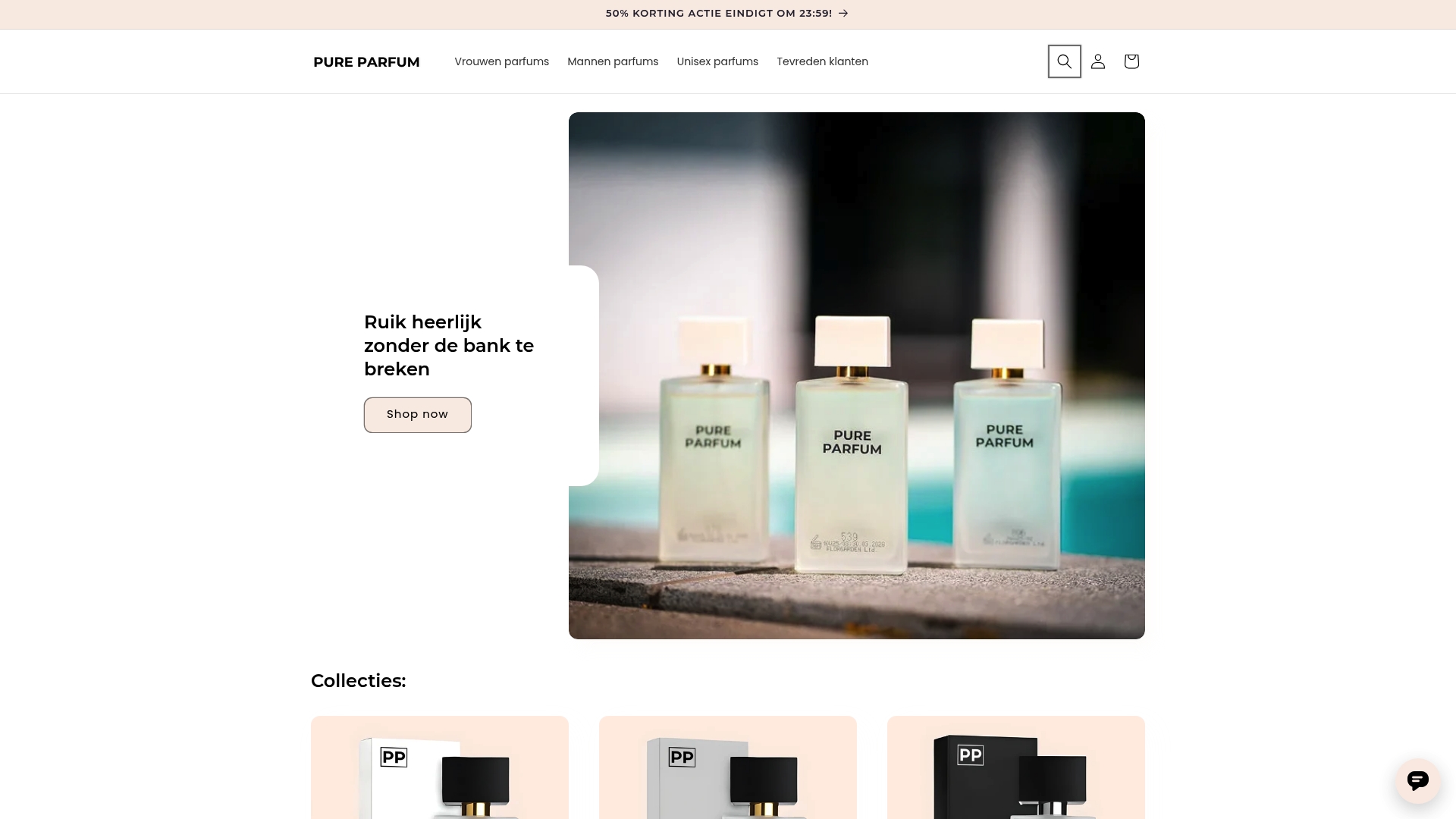
For a calm start, we recommend:
- A compact perfume set to test multiple light fragrances before choosing a favorite.
- A fragranced hand cream as a subtle alternative to a full spray.
- A body lotion to keep your scent softly present throughout the day without reapplying.
| Product | Suitable for | Work benefit |
|---|---|---|
| Compact perfume set | Testing light fragrances | Switching without buying a full bottle |
| Fragranced hand cream | Touch-ups in the office | Subtle scent without sillage |
| Body lotion | Daily baseline | Soft, lasting fragrance layer |
View our full range of perfumes and put together your own office-friendly fragrance wardrobe.
Frequently asked questions
What is the 30/50/20 rule for perfume?
For workplace-friendly use, the most relevant thing is that you test the heart notes, because those last the longest and therefore determine the most how colleagues experience your scent.
Can I just sell perfume?
Reselling perfume, whether unopened or as a remainder, falls under rules for consumer protection and product safety, which can vary by situation. If you’re unsure, consult the relevant regulations for selling cosmetics in your own market before you start.
Are air fresheners cancer-causing?
Some air fresheners contain volatile organic compounds that, with prolonged exposure, can cause health complaints—as research into fragrance exposure shows—but a direct cancer-causing effect has not been established. When in doubt, choose fragrance-free or well-ventilated alternatives in the workplace.
How do I address a colleague about a strong smell?
It’s better not to address a colleague directly, but instead report repeated complaints to your supervisor or HR, as journalistic advice on the topic also recommends. If you suspect a medical cause, the company doctor is the next appropriate step.
Which types of fragrance are best suited for the office?
Light citrus, green, and soft floral notes in an eau de toilette concentration work best during the day because they give less sillage than heavy oriental or woody fragrances. Always test a new fragrance first on your skin and wait 30 to 60 minutes to assess how it develops, as practical advice guides recommend.
Sources
- Steinemann (2019) — study on fragrance and health impact
- NRC — Should you address a colleague about an unpleasant smell?
- PLOS One — monitoring of volatile substances and occupational risks
- Slimwerkgeven — Perfume in the workplace: how to smell professional, not intrusive