


Perfume in the sun is possible, but not just any way: ingredients such as bergamot and other citrus oils can, under UV light, cause phototoxic or photoallergic reactions. Therefore, spray it preferably on clothing or hair rather than on exposed skin, choose a light concentration, and test a new fragrance first on a small patch of skin.
In short:
- A phototoxic reaction often causes redness quickly, and sometimes blisters, while an itchy, eczema-like rash from a photoallergy may appear only hours to days later.
- The neck and décolleté react faster; a sensitive or lightly pigmented skin, previous fragrance allergy, and perfumed sun products increase the chance of complaints.
- If you experience symptoms, stop using the fragrance, cool the skin, and stay out of the sun; seek medical help right away if you get blisters or an ongoing rash.
- First apply perfume-free sunscreen to uncovered skin, let it absorb, and limit perfume to one to three light sprays on clothing or covered skin.
- An eau fraîche, eau de cologne, or eau de toilette often feels more pleasant in warm weather; use eau de parfum sparingly and keep heavy scents for later.
Table of contents
- Why does perfume in the sun sometimes cause a skin reaction?
- Which symptoms go with a reaction and what should you do then?
- Which fragrance families and concentrations work best in warm weather?
- How do you apply perfume safely when the sun is shining?
- Which fragrance profiles match sun and summer?
- How do you make your perfume last longer in warm weather?
- An honest perspective: choose safety first, then beauty
- How to test your summer scent safely at Pure Parfum
- Frequently asked questions
- Sources
Why does perfume in the sun sometimes cause a skin reaction?
A reaction to perfume in the sun has two possible causes. With a phototoxic reaction, a substance reacts directly with UVA light on the skin, damaging it. With a photoallergic reaction, it involves a delayed immune response to a fragrance ingredient that has been altered by sunlight. That explains why one person has no problems and another does.
The most well-known culprit is bergamot oil. It contains furocoumarins, substances that under UVA light can cause irritation and pigment spots. Interestingly, people often blame the alcohol, while specific fragrance ingredients like bergamot oil are actually responsible for phototoxic reactions. No matter how natural a substance is, the effect can be significant: phytophotodermatitis shows that plant-based substances combined with the sun can cause blisters and long-lasting pigmentation.
The risk is not the same for everyone:
- Thin skin areas such as the neck and décolleté react faster.
- Sensitive or lightly pigmented skin has a greater chance of experiencing symptoms.
- Perfumed sun products applied on top of perfume can increase the burden on the skin.
- Anyone who has reacted allergically to a fragrance ingredient before has a higher chance of it happening again.
Perfume is a complex mixture, and about 1–2% of the general population is allergic to one or more fragrance ingredients. For those people, the sun is an extra reason to be cautious.
Which symptoms go with a reaction and what should you do then?
A phototoxic reaction is usually noticeable quickly: redness, sometimes blisters, and later brown pigment spots. Photoallergy works more slowly. Itchy, eczema-like rashes can appear hours to days after exposure, including on areas you didn’t spray. That’s why the connection to perfume is often missed.
If you experience symptoms, do this:
- Stop using the fragrance right away and gently wash the area with lukewarm water.
- Cool the skin with a cool, damp cloth and stay out of the sun.
- Do not apply any new perfumed products to the irritated skin.
- If you get blisters, an ongoing rash, or pigment spots, seek medical help right away.
- Discuss a patch test and a photopatch test if the symptoms come back.
Pro tip: Write down which fragrance and which sun product you used, and when the symptoms started. That helps the doctor look for the cause.
Which fragrance families and concentrations work best in warm weather?
In the heat, lighter compositions feel more pleasant, and they generally come with fewer risks. Think aquatic scents, green notes, airy florals, and soft musks. Citrus is popular in summer, but make sure you check what exactly is inside.
- Aquatic and mineral: gives a salty, fresh impression and doesn’t feel heavy.
- Green notes: leaves, grass, or fig leaf stay bright in the warmth.
- Light and floral: orange blossom or jasmine in a light dose.
- Soft musk: leaves a skin-close softness without feeling sticky.
- Citrus in moderation: enjoy it, but avoid bergamot and other citrus oils on exposed skin.
Concentration also matters. According to DermNet, perfumes are classified into categories such as parfum or extrait, eau de parfum, eau de toilette, eau de cologne, and eau fraîche. In summer, an eau fraîche, eau de cologne, or eau de toilette is often more comfortable for everyday use. Use eau de parfum sparingly and at a lower dose. Read more about this lighter option in our explanation of the meaning of eau fraîche.
One more warning: “natural” doesn’t automatically mean safe. Some essential oils contain photo-sensitizing substances.
How do you apply perfume safely when the sun is shining?
The simplest rule: don’t let the fragrance land directly on skin that’s exposed to the sun. Spray on clothing or on your hair, from a distance. If you do spray on skin anyway, choose areas that stay covered, such as the inner side of your wrist under a sleeve or the skin under your clothes.
- First apply sunscreen to all uncovered skin and let it absorb.
- Choose a sunscreen without fragrance: fragrance ingredients and preservatives are a known cause of contact allergy to sun products.
- Test a new scent first with a small patch, for example in the elbow crease, and see how your skin reacts.
- Be conservative with dosing: 1 to 3 light sprays are enough.
Many complaints blamed on sunscreen turn out to actually be an reaction to fragrance ingredients. For more practical placement tips, see our article on perfume application points.
Pro tip: Spray your fragrance before getting dressed on your clothing, not after on bare skin. That way, the scent lingers without the sun reaching it.

Which fragrance profiles match sun and summer?
If you’re looking for a summer vibe, you don’t have to take risks. A few profiles, regardless of brand, work especially well in warm weather.
- Citrus-aquatic: a fresh opening with mineral or sea notes. Pay attention to the citrus oils here, because that’s exactly where the photo-risk is.
- Green and fresh: green leaves, fig leaf, or basil provide natural freshness without a sticky lingering.
- Light and floral: orange blossom or jasmine in a light concentration gives elegance without feeling heavy.
- Soft musk or skin scent: leaves a calm base that doesn’t go loud in the heat.
Heavier gourmand and oriental compositions are best left in the closet on hot, sunny days. In the heat, they quickly become stuffy—for you and for the person sitting next to you. That they fit summer less well is also reflected in practical selection guides: fresh, airy, and aquatic notes are typically recommended in warm weather over heavier variants.
If you do choose a fragrance with citrus, apply it to clothing or hair instead of your skin. That way, you keep the freshness and leave the risk behind.
How do you make your perfume last longer in warm weather?
Heat makes fragrance evaporate faster. With good preparation, you can make it last longer without adding extra risk for your skin. Also read why heat makes your perfume fade faster.
- Moisturize your skin with an unperfumed body lotion, because dry skin releases scent more quickly.
- Let a scent sit for at least half an hour before you judge how it smells on your skin.
- Use a mild fragranced body care or a hair mist from a distance, and check whether it pairs well with your sunscreen.
- Bring a small travel spray for touch-ups, and use it sparingly in enclosed spaces.
An honest perspective: choose safety first, then beauty
In my view, perfume in summer is all about order: protect the skin first, then choose the fragrance. Many people chase the one perfect summer scent, while a lighter concentration, a smart spot, and a patch test often deliver more. That’s why we offer vegan, animal-friendly perfumes with a high perfume-oil concentration, alongside body care and bundles that let you test calmly before you step into the sun.
— J
How to test your summer scent safely at Pure Parfum
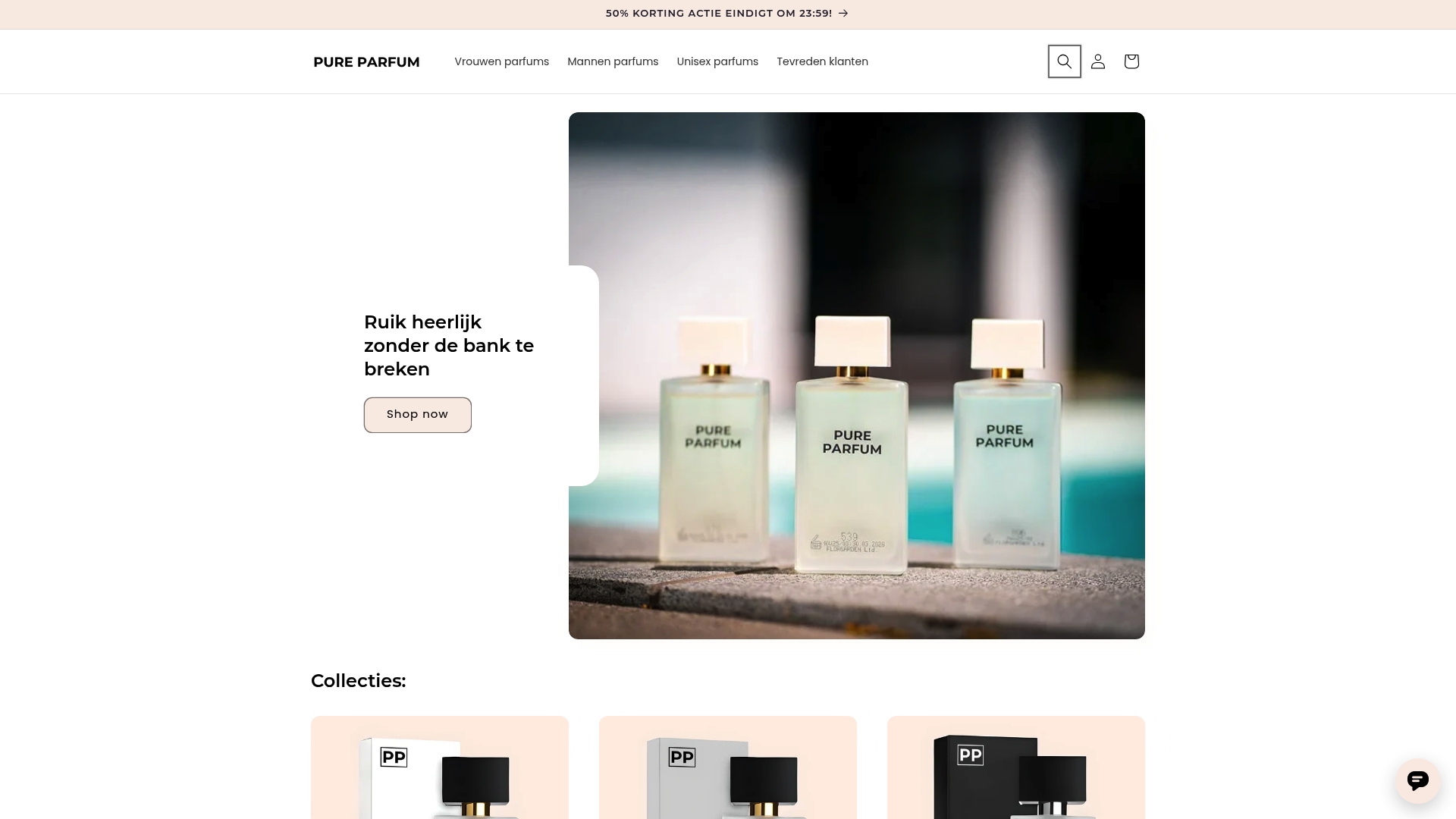
We offer vegan and animal-friendly perfumes for women, men, and unisex, plus body care for layering. Want to try multiple fragrances before you go into the sun? Choose our perfume bundle and do a patch test on your skin first. For skin care under your scent, check out our Body Care collection. See our selection on Pureparfum and order your bundle today.
This article contains general information and does not replace advice from a qualified doctor. Consult a qualified healthcare professional about your own situation before acting based on the content of this article.
Frequently asked questions
Why not wear perfume in the sun?
Some fragrance ingredients, especially bergamot and other citrus oils, react to UV light and can cause redness, irritation, and pigment spots. Not every fragrance causes problems, but on exposed skin it’s wise to be cautious. Spray it instead on clothing or hair.
What is the nicest fresh perfume for women in summer?
That’s personal, but aquatic, green, and light floral scents work well in warm weather. Choose a light concentration such as eau de toilette or eau fraîche. Smell the fragrance first on your own skin, because it smells different on everyone.
Why do you put perfume on your navel or other warm spots?
On warm spots such as the wrist, neck, or navel, a fragrance often develops more strongly. In the sun, that’s exactly why you should choose covered areas. If you use your sun-exposed skin, apply sparingly and after sunscreen.
What should I do if I react to perfume in the sun?
Stop using the fragrance, cool the skin, and stay out of the sun. Seek medical help right away if you get blisters or a persistent rash. A patch test or photopatch test can show which fragrance ingredient is the cause.