

Apply a light layer of oil to your pulse points, spray over it intentionally, and build the scent up with matching care products. That’s the fastest way to make sure your perfume doesn’t disappear within an hour.
- Moisturize your skin, because oil holds fragrance molecules in place
- Use a fragrance-free balm as a primer before spraying
- Combine shower gel, body lotion, and perfume from the same fragrance line (layering)
This works because perfume clings to the fats in your skin. Without that oily layer, the scent simply evaporates faster. And sometimes you can’t smell your own perfume anymore, while others around you can still detect it perfectly. That’s called olfactory fatigue.
Key takeaways
Perfume lasts longer when you build a oily skin base, choose concentrated formulas, and apply the fragrance correctly instead of rubbing it in.
| Point | Details |
|---|---|
| Moisturize first | Apply an unperfumed cream or lotion to damp skin before you apply perfume. |
| Use a primer | A thin layer of petroleum jelly or oil on pulse points helps fragrance molecules last longer. |
| Apply layering | Combine shower gel, body lotion, and perfume from the same fragrance line for a longer-lasting scent experience. |
| Avoid rubbing and overheating | Don’t rub your wrists against each other and don’t spray on hot or freshly showered red skin. |
| Choose your concentration intentionally | Extrait and EDP last longer than EDT or cologne, especially with heavier base notes. |
| Build a concentrated routine | Pure Parfum offers vegan perfumes with a high oil concentration, plus matching body lotion and shower gel for layering. |
Table of contents
- Why does perfume disappear so quickly?
- Direct, practical solutions to make your perfume last longer
- Where do you apply perfume and what should you avoid?
- Which concentration and fragrance notes last the longest?
- Sources
Why does perfume disappear so quickly?
Your skin largely determines how long a fragrance lingers. Your skin’s pH level and the amount of sebum on your skin play a role, but the clearest difference is between dry and oily skin. Oily skin holds fragrance molecules in the lipids that are naturally present. Dry skin lacks that layer, causing perfume to evaporate faster and your expensive perfume to seem to ‘fly away’ right away.
Sweating works both ways. A little moisture on the skin can actually enhance fragrance release, but excessive sweating simply washes the fragrance layer away. What you eat and drink also subtly affects how a scent develops on your skin, although that effect is difficult to measure.
There’s one more thing that’s often overlooked: your own nose gets used to a scent that’s constantly present.
- Your brain filters out scents that no longer change
- That’s why your perfume seems to be gone, while others around you can still smell it just fine
- This is called olfactory fatigue, or olfactory fatigue
Pro tip: Not sure whether your perfume really has faded? Just ask someone next to you. Often the scent is still there—you just can’t smell it anymore.
Direct, practical solutions to make your perfume last longer
The order in which you do things largely determines how much fragrance you still have at the end of the day.
- Moisturize right after showering. Use an unperfumed cream or a lotion from the same fragrance line as your perfume while your skin is still damp. This way you immediately build an oily layer that can hold fragrance molecules.
- Apply a primer to your pulse points. A thin layer of petroleum jelly or a fragrance-free balm on your wrists and neck works as an anchor for the fragrance ingredients. This petroleum jelly hack visibly extends a perfume’s wear time, as long as you use it sparingly.
- Layer your products. Start with shower gel, follow with body lotion, and finish with perfume—preferably from the same fragrance line. This build creates a base that makes the scent linger longer than when you only spray perfume.
- Spray right after the primer. Don’t wait too long, because the oily layer works best while it’s still fresh.
- Re-spraying is okay, but on the same pulse points. A short, targeted spray after a few hours works better than a cloud over your whole body.
Pro tip: No petroleum jelly at home? Jojoba oil or fractionated coconut oil works just as well as an oily layer, without changing your perfume. But test first on a small patch of skin, because oil can leave stains on some fabrics.
Where do you apply perfume and what should you avoid?
The place where you spray makes at least as much difference as the product itself. Pulse points like your wrists, the base of your neck, behind your ears, your elbows, and the hollows of your knees release warmth, and that warmth helps the fragrance spread.
- Don’t spray directly into your hair, because the alcohol in perfume can dry it out. Spray onto your hairbrush instead or use a separate hair mist, because hair holds scent for a long time when you do it the right way.
- Keep a distance of 15 to 20 centimeters and spray evenly, instead of spraying close once.
- Never rub your wrists against each other after spraying. The friction creates heat that makes the delicate top notes evaporate faster.
- Never spray on hot or freshly showered red skin, and don’t overdo it with a cloud in a small space. That only makes your nose get used to it faster.
Pro tip: Want to use perfume on clothing? Choose a light mist on thicker fabrics like denim or wool. Delicate fabrics like silk can stain or discolor.
Which concentration and fragrance notes last the longest?
Not every bottle of perfume is meant for the same purpose. The concentration of fragrance oil largely determines how long you can smell something.
- Extrait/perfume: the highest concentration, typically lasts the longest
- Eau de parfum (EDP): a good middle ground between intensity and price
- Eau de toilette (EDT): lighter and more suitable for daytime, but more fleeting
- Cologne: the most refreshing, also the fastest-fading variant
Besides concentration, the fragrance notes themselves also matter. Base notes like wood, amber, musk, and certain resins fix better than light citrus or herbal top notes, and heavier base notes are usually present for longer than fresh, fleeting compositions. In the end, your own skin chemistry also determines how a formula behaves, so always test a scent first on your skin and on a piece of fabric before you buy a bottle.
Storage and maintenance: prevent your perfume from breaking down
Even the best fragrance will deteriorate if you store it incorrectly. Light and temperature fluctuations affect fragrance molecules, significantly shortening a perfume’s shelf life.
- Store your bottle cool, dark, and dry
- Always close the cap tightly after use
- Avoid the bathroom, where moisture and temperature changes occur most often
- Preferably store it in the original box, away from direct sunlight
What a perfume routine teaches you
Small habits make a bigger difference than the bottle itself. Anyone who follows the same few steps every morning often notices that a scent that used to disappear after two hours now lasts for the whole workday. That’s not a coincidence—it’s consistency: the same moisturization, the same primer, the same pulse points. Change one habit, and the effect on how long you smell something is often bigger than you’d expect.
— J
Practical product choice: how Pure Parfum supports your routine
A concentrated formula makes the techniques above even more effective. Pure Parfum works with a higher oil concentration than many alternatives, is fully vegan and cruelty-free, and stays affordable because you’re not paying for expensive packaging or marketing.
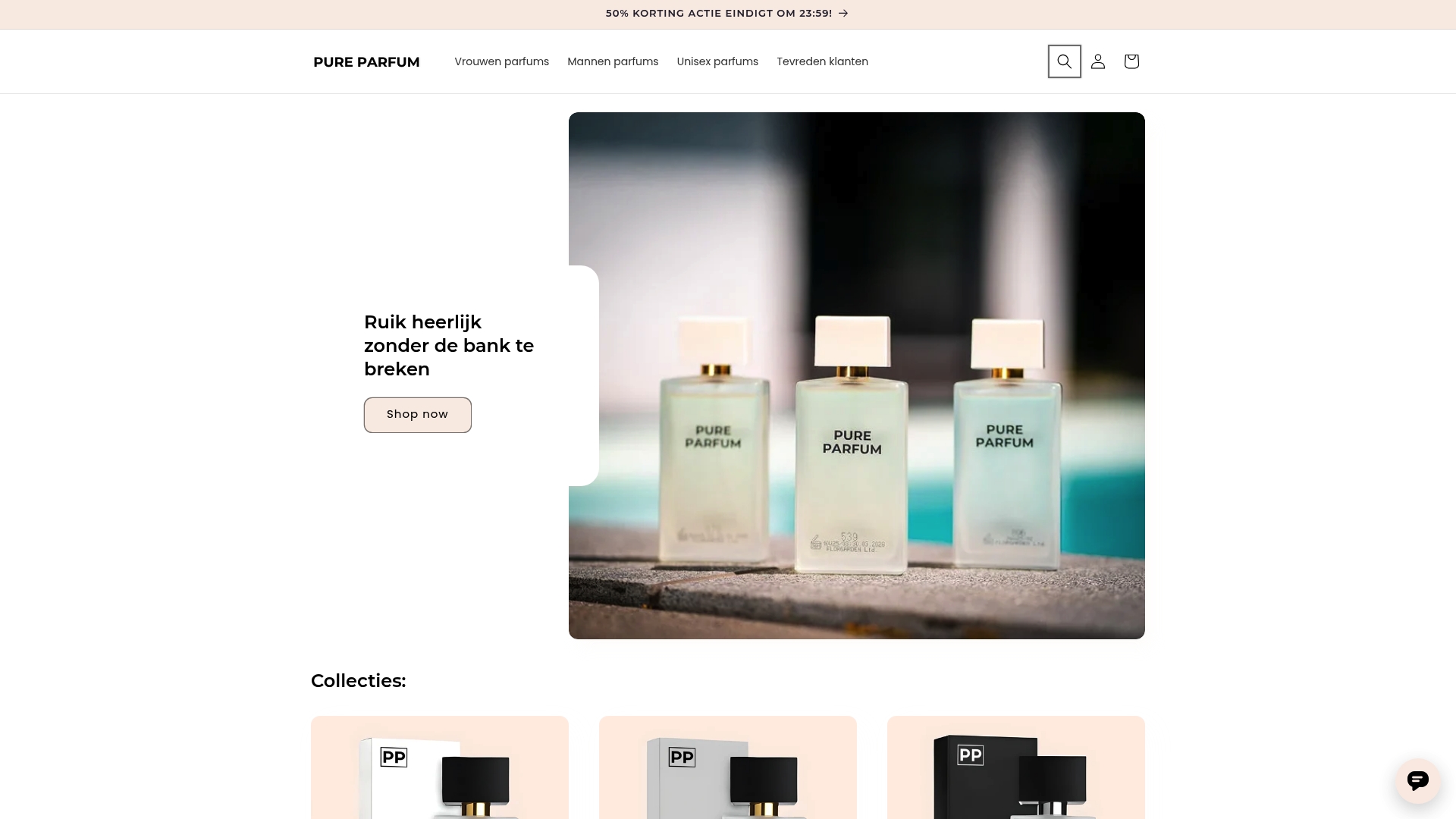
For the layering routine in this article, Pure Parfum’s body lotion and shower gel connect directly: the same fragrance line, built from shower to perfume. Still unsure which scent and concentration works best for your skin? Start with the 3x100ml perfume bundle or the smaller 30ml x4 perfume set to test multiple fragrances without immediately buying a full bottle. Order a set today and discover for yourself which combination lasts the longest.
Sources
- Linda
- This is how your perfume stays on all day according to perfume experts - ELLE
- Does your expensive perfume disappear within an hour? With this simple trick you’ll smell great all day | Grazia
- Why your expensive perfume ‘flies’ on dry skin right away (and how to stop it) | Nouveau