

Perfume oil usually contains a higher concentration of fragrance essences than a classic perfume (Eau de Parfum) and develops more slowly on the skin, so it also lasts longer. While EdP typically contains around 8 to 15% fragrance ingredients, oil perfumes (Huile de Parfum) rely on a denser carrier that releases the scent gradually and without alcohol evaporation.
- Choose perfume oil if you want a subtle scent close to the skin that lasts all day and you have more sensitive skin.
- Choose parfum/EdP if you want strong projection right from the first spray, for example for an evening event.
- Both types have their place. The difference is what you expect from the fragrance.
Key takeaways
Perfume oil lasts longer on the skin thanks to the oil carrier and a higher concentration of fragrance essences, while EdP offers a more noticeable and faster projection.
| Point | Details |
|---|---|
| Longevity wins with oil | The oil base evaporates more slowly, so the fragrance lasts longer on the skin than with EdP. |
| Projection wins with EdP | The alcohol carrier releases the top notes quickly and the fragrance spreads farther from the body. |
| Sensitive skin | Oil perfumes are often gentler and less drying than alcohol-based compositions. |
| Storage matters | Dark glass and smaller bottles protect the fragrance essences from light and heat. |
| Pure Parfum as a choice | Offers vegan, concentrated perfumes with long-lasting wear at an affordable price. |
Contents
- Perfume oil vs perfume at a glance
- What is perfume oil and how it works
- What is Eau de Parfum and why it smells different
- How the experience differs in practice
- How many hours perfume oil lasts compared to EdP
- When to choose oil and when to choose classic perfume
- How to apply and store a fragrance properly
- Allergens and labeling: what to check before buying
- Why choose Pure Parfum for a concentrated and long-lasting fragrance
- Frequently asked questions
- Sources
Perfume oil vs perfume at a glance
Before you get into the details, take a look at how the two types compare side by side in key indicators. The numbers are approximate because they vary depending on the specific composition and manufacturer.
| Parameter | Perfume oil | Parfum / EdP |
|---|---|---|
| Typical concentration | high proportion of fragrance essences in an oil carrier | approximately 8–15%, and for Parfum/Extrait 15–40% |
| Longevity | longer; the scent releases gradually | shorter; faster evaporation due to alcohol |
| Sillage / projection | subtle, close to the skin | more noticeable; spreads into the surroundings |
| Application / texture | drops; oilier consistency | spray; dries quickly |
| Suitability for sensitive skin | usually gentler | can dry out and irritate |
| Price and efficiency | lower usage per application | higher usage; faster depletion of the bottle |
What is perfume oil and how it works
Perfume oil replaces ethanol with an oil carrier, most often jojoba, almond, or argan oil. Fragrance essences dissolve in it differently than in alcohol, which is why they are released more slowly and the oil form often has a higher concentration.
This has a direct impact on how the fragrance “opens.” The oil base dampens the volatile top notes, such as citrus or bergamot, so the perfume transitions more quickly to the heart and base notes. The result is the so-called “skin scent” effect: intimate, warm, and close to the skin—rather than a fragrance that fills an entire room.
- Carrier: plant oils instead of alcohol.
- Behavior: the fragrance stays closer to the skin and develops more slowly.
- Effect: less prominent top note, stronger base accords.
Pro tip: Before applying an oil perfume to clothing, always test it first on a small patch of skin. The oil base can show up as a greasy stain on some fabrics.
What is Eau de Parfum and why it smells different
Eau de Parfum is based on ethanol as the carrier, which evaporates quickly and brings the top notes to the forefront right at the start. That’s why EdP feels clearer and more open in the first impression than the oil version.
Typical concentrations of fragrance ingredients in EdP are around 8 to 15 percent. With the fast evaporation of alcohol, this means a stronger but shorter projection. The fragrance spreads farther from the body, so people around you can smell it—not just you.
- Fast alcohol evaporation = immediate, noticeable first impression.
- Higher sillage; the fragrance “fills the room.”
- Suitable for events where you want to be memorable right when you walk in.
- Shorter lifespan on the skin compared to the oil version.
How the experience differs in practice
The difference between the two types is best noticed in the first ten minutes after application. EdP shoots the top notes out quickly and intensely, while oil “warms up” the fragrance gradually, as if your skin is shaping it.
Body temperature and skin chemistry play a role for both types, but they show up differently. The alcohol base reacts to heat with rapid evaporation, while the oil base blends more with the skin’s natural oils and changes the scent more gently over time. That’s why the same fragrance can smell different on two people—and this effect is more pronounced with oils.
- EdP: strong start, faster fade; “long-distance” scent.
- Oil: slow start, long-lasting lingering; “close-up” scent.
- Combining both gives you the best of both worlds.
Pro tip: If you want a strong fragrance with long-lasting wear, apply a few drops of perfume oil to pulse points first, then lightly spray EdP over the top. The oil works as a base that slows down the evaporation of the alcohol layer.
How many hours perfume oil lasts compared to EdP
Longevity matters more than anything else when you’re choosing between oil and classic perfume. The oil base breaks down more slowly than alcohol, which is why perfume oils typically last longer on the skin than most EdP.
Besides the carrier type, longevity is also influenced by skin oiliness, skin pH, and the environment. Oily skin holds fragrance molecules better, while dry skin loses them faster. Heat and friction from clothing also shorten wear, whether it’s oil or EdP.
- Concentration of fragrance essences: higher proportion = slower evaporation.
- Carrier: oil evaporates more slowly than alcohol.
- Skin type: oily skin keeps the fragrance longer than dry skin.
- Environment: heat and friction shorten wear for both types.
Statistical figure: According to the classification of perfume concentrations, Parfum/Extrait ranges from 15 to 40 percent fragrance ingredients, while Huile de Parfum works as an oil alternative with significantly slower fragrance release.
When to choose oil and when to choose classic perfume
Your choice between oil and EdP should be based on what you expect from the fragrance—not on what’s currently fashionable.
Benefits of perfume oil: longer wear on the skin, gentler for sensitive skin, less usage per application, and multifunctionality (often doubles as skincare). Drawbacks: weaker sillage, less variability in top notes, risk of stains on light clothing with an inferior formulation.
Benefits of EdP: instant, noticeable projection; a wider range of compositions and scents on the market. Drawbacks: faster evaporation, higher usage to achieve the same intensity, and alcohol can dry out the skin.
- Dry or sensitive skin, long office days → oil.
- Evening events; you want to be noticed from a distance → EdP.
- You’re looking for a more economical and longer-lasting solution → concentrated oil perfume.
Pro tip: If you want a compromise between projection and longevity, choose a perfume with a high concentration of fragrance ingredients, like brands that focus on more concentrated compositions.
The difference between oil and EdP isn’t about which one is “better.” It’s about whether you want a fragrance you wear for yourself or one you want to share with the people around you.
How to apply and store a fragrance properly
Apply perfume oil in a small amount—usually one to two drops on pulse points: wrists, neck, and behind the ears. EdP is applied as a spray from a greater distance, typically with two to three sprays. Hair holds the scent longer than skin, but with oils, be careful about a possible greasy sheen.
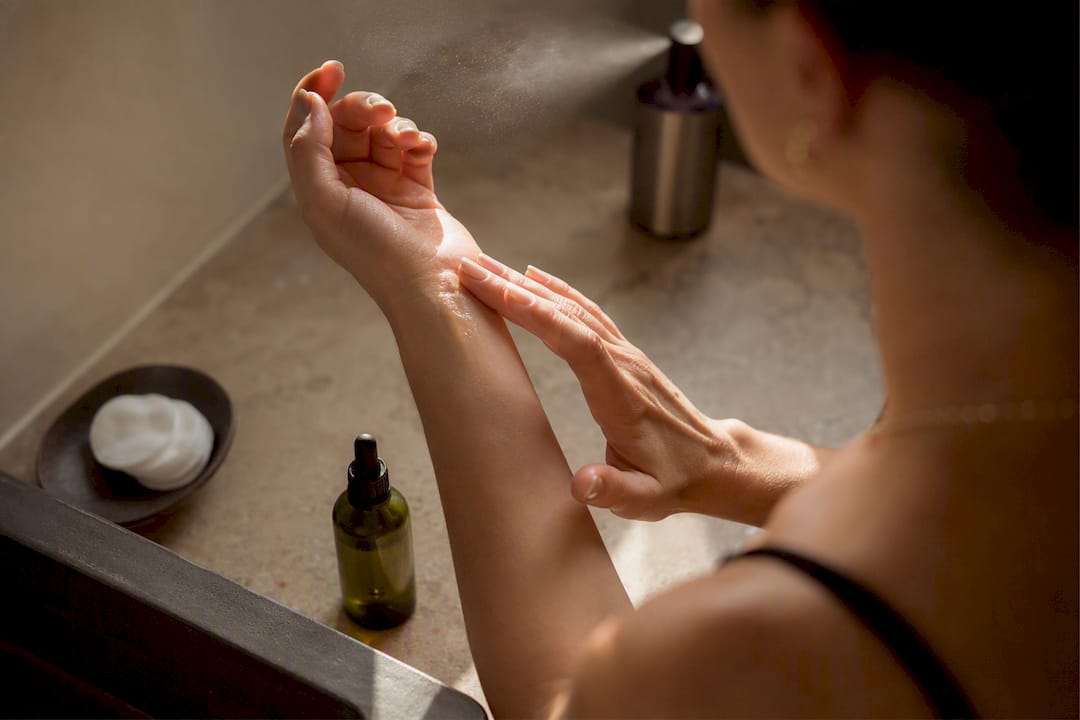
Storage determines how long the fragrance retains its quality. For oil perfumes, dark glass and smaller bottles are recommended because light and heat speed up the breakdown of fragrance ingredients. The same applies to EdP—ideally keep it out of the bathroom, where there’s moisture and temperature fluctuations.
Pro tip: Before traveling, pour a few drops of oil into a small metal or glass bottle with a cap. Glass can break, but plastic may distort the fragrance over time.
Allergens and labeling: what to check before buying
Cosmetics and perfumes in the EU are subject to mandatory labeling of declared allergens, so you should check the ingredients before purchasing—especially if you have sensitive skin.
On the label, look for the INCI name and watch for common allergens such as limonene, linalool, or citrus extracts, which often appear even in natural oil fragrance compositions. Transparent manufacturers list ingredients openly and recommend a patch test before first use on a larger area of skin.
- Check the INCI list on the packaging or the seller’s website.
- Do a patch test on the inner side of your wrist and wait 24 hours.
- For oil perfumes, verify whether the essences are natural or synthetic.
Personal take on choosing between oil and perfume
When people discuss perfume oil vs perfume, they often look for a clear winner. The reality is more nuanced: concentration and longevity speak in favor of oil, but projection and fragrance variability belong to EdP. That’s why it makes sense to have both and choose based on the situation. For readers who mainly want long-lasting wear at a reasonable price, Pure Parfum makes sense thanks to its high concentration and vegan formula. However, fragrance perception is personal—what works on one skin may smell different on another.
Why choose Pure Parfum for a concentrated and long-lasting fragrance
Pure Parfum is an alternative to expensive designer perfumes for anyone who has read the full comparison and knows they want, above all, a high concentration and long-lasting wear without an unnecessarily high price. The brand relies on vegan, cruelty-free essences and a higher concentration of fragrance ingredients, so even a smaller amount lasts on the skin all day.
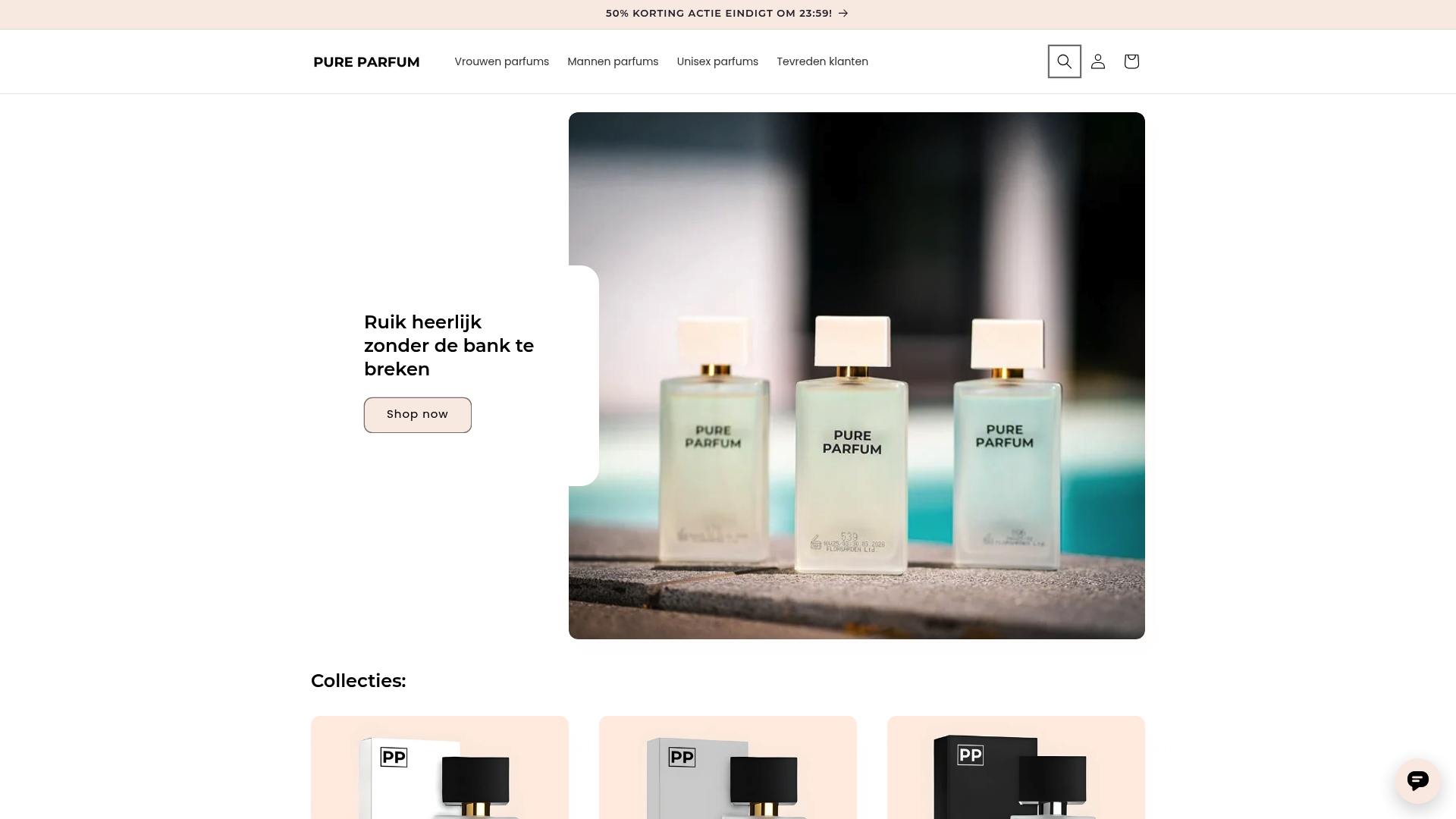
If you’re looking for a practical way to try more fragrances at once and find your own, check out the set of three perfumes 3x100ml. For the price of one designer perfume, you get three full-value fragrances with high concentration—ideal for switching according to your mood or occasion. If you want to add skincare to your fragrance routine, you’ll appreciate perfumed hand body cream, which extends the scent while also moisturizing the skin. Choose a set today and find out how long a concentrated fragrance truly lasts for you.
Frequently asked questions
Does perfume oil last longer than classic perfume? Yes, in most cases. The oil base evaporates more slowly than the alcohol in EdP, so the fragrance stays on the skin longer, even though it’s less noticeable from a distance.
Is perfume oil suitable for sensitive skin? Usually yes, because it doesn’t contain alcohol that dries out the skin. Still, we recommend doing a patch test before first use, especially with natural essences.
Can I combine perfume oil and EdP? Yes, layering works well. Applying oils to pulse points slows down the evaporation of the EdP applied on top and extends the overall wear time of the fragrance.
Why does perfume oil smell different from the same fragrance in its EdP version? The oil base dampens volatile top notes like citrus and reveals the heart and base notes more quickly, so the fragrance feels warmer and closer to the skin.
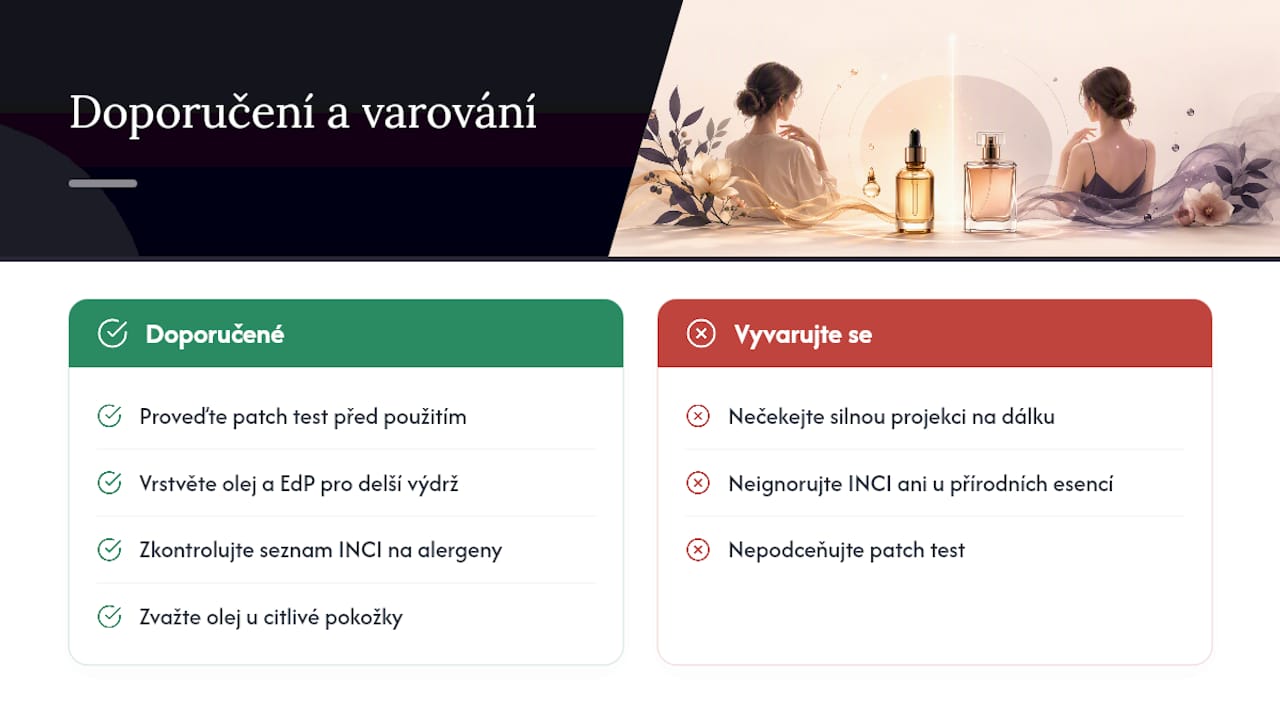
How do I know if a perfume oil contains allergens? Check the INCI list on the packaging or on the seller’s website and look for common allergens like limonene or linalool, which the EU requires to be declared.
Sources
- Perfumed oils: A small luxury with a big effect - České novinky
- Why replace classic perfume with oil perfume - Renovality