

A flanker is a variation of an existing fragrance that keeps its recognizable “DNA,” but changes the notes, concentration, or the bottle. It doesn’t have to be better or worse than the original. It’s simply another chapter of the same scent story.
- A flanker may smell similar to the original, but rarely identical.
- Treat it as an alternative, not an automatic upgrade.
- Check the concentration and the name before you pay for a “new version of your favorite perfume.”
Key takeaways
A flanker is a variation of an existing fragrance that preserves its recognizable “DNA,” and you can recognize it by the addition in the name, the changed bottle, and a different concentration.
| Point | Details |
|---|---|
| Definition of a flanker | A fragrance based on the original, keeping the core, but with modified notes or concentration. |
| Recognition signals | An addition in the name, a different bottle color, and a changed description of the top, heart, and base notes. |
| Types of flankers | Intensification, a summer version, a limited edition, an artistic flanker, and a “fake flanker.” |
| Test before buying | Compare blotters and wear a sample on your skin for a few hours before judging longevity. |
| An alternative for testing | Pureparfum sample sets let you compare several fragrance variants without the risk of a full bottle. |
Table of contents
- Flanker perfumes: what they mean exactly
- How a flanker differs from the original
- What flankers are — types and typical name additions
- Why brands create flankers instead of new fragrances
- How to recognize a flanker in a store or online
- Is it worth buying a flanker, or sticking to the original?
- How to safely test a flanker step by step
- How we look at flankers at Pureparfum
- A sample set is a better start than a full bottle blind buy
- Frequently asked questions about flankers
- Sources
Flanker perfumes: what they mean exactly
The term flanker in the encyclopedic sense refers to perfumes based on an already existing fragrance, being its development or variation, usually with a modified composition. The word is also used outside perfumery—for example in the Cambridge English dictionary, where it means something added to the side, complementing the main line. In the fragrance industry, a similar spirit has taken hold: a flanker stands next to a bestseller, leveraging its recognizability.
The concept has become established in perfume marketing when brands noticed it’s easier to sell a variation of a known hit than to promote a completely new fragrance from scratch. A flanker usually rests on three pillars:
- preserving the fragrance core—i.e., the original’s main accords,
- modifying one or more notes, often in the heart or base,
- changing the concentration, bottle color, or packaging.
How a flanker differs from the original
The differences are first visible in the formula. Flankers usually modify the notes, the proportions of ingredients, and the concentration, for example by replacing EDT with EDP or adding a heavier woody note in the base. The top note may stay the same, while the heart and base no longer do.
The second layer of differences is visual. The bottle often changes the cap color, the glass finish, or the label, and an addition appears in the name. It’s a signal you can’t miss if you know what to look for:
- a different color of the liquid or bottle cap,
- an addition in the name placed after the original name,
- a changed note description on the product card.
It’s also worth knowing the concept of a “fake flanker”— a product that only references the look of a known line, without any real olfactory relation. It’s a rarer but misleading case that’s worth distinguishing from a true variation.
What flankers are — types and typical name additions
You’ll most often come across five categories: intensification, a seasonal version, a limited edition, an artistic flanker (more niche, aimed at connoisseurs), and the mentioned “fake flanker.” Each type has its own logic and its own moment of use.
Name additions usually tell you directly what to expect:
- Intense or Extreme — a stronger concentration, a heavier base, and more projection.
- Eau Fraîche or Light — a lighter, more transparent version for warm days.
- Summer or Cologne — a citrusy, refreshing take for hot weather.
- Noir or Absolu — an evening version, deeper and more sensual.
These additions usually signal the intended direction of change—intensification, slimming down the composition, or a seasonal adaptation. The summer version works well at the beach, while the intense one is more for evenings in cooler months.
Why brands create flankers instead of new fragrances
The main reason is economics. Launching a completely new fragrance brand requires building recognition from scratch, while a flanker benefits from an existing fan base. Flankers help refresh a bestseller, reach new customers, and adapt the scent to the season with much lower financial risk than premiering an entirely new line.
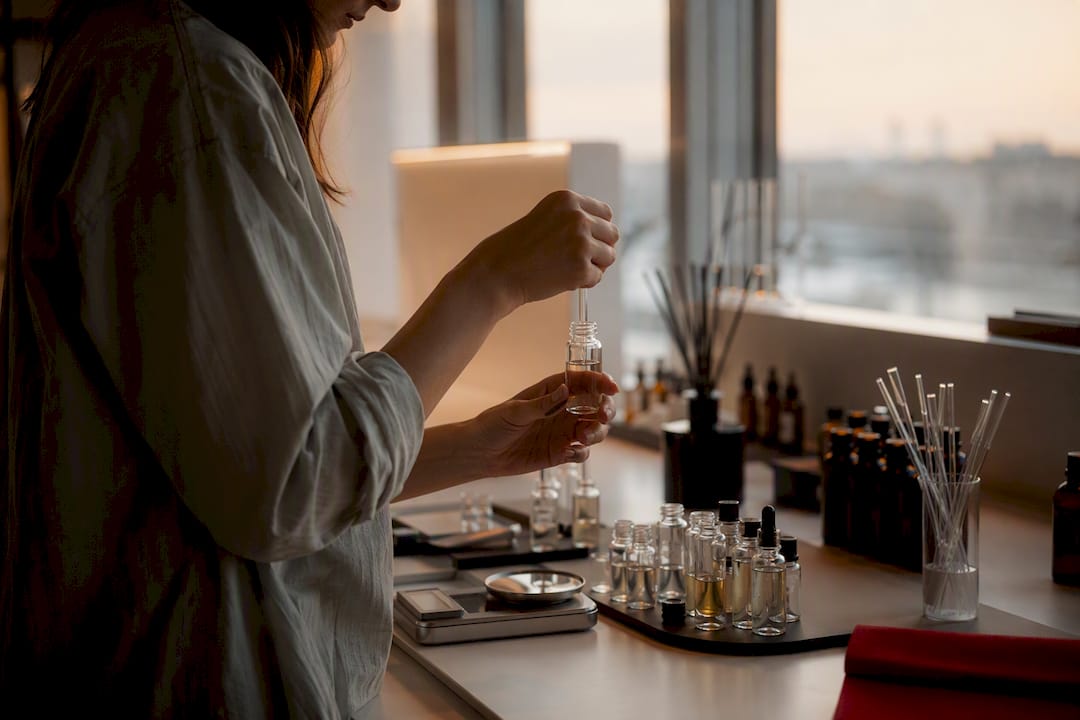
It’s also a testing tool. The brand checks whether customers prefer a sweeter version or a more woody one before investing in an expensive campaign around a new scent. So a flanker works like an experimental ground while also refreshing the store shelf without losing the brand’s identity.
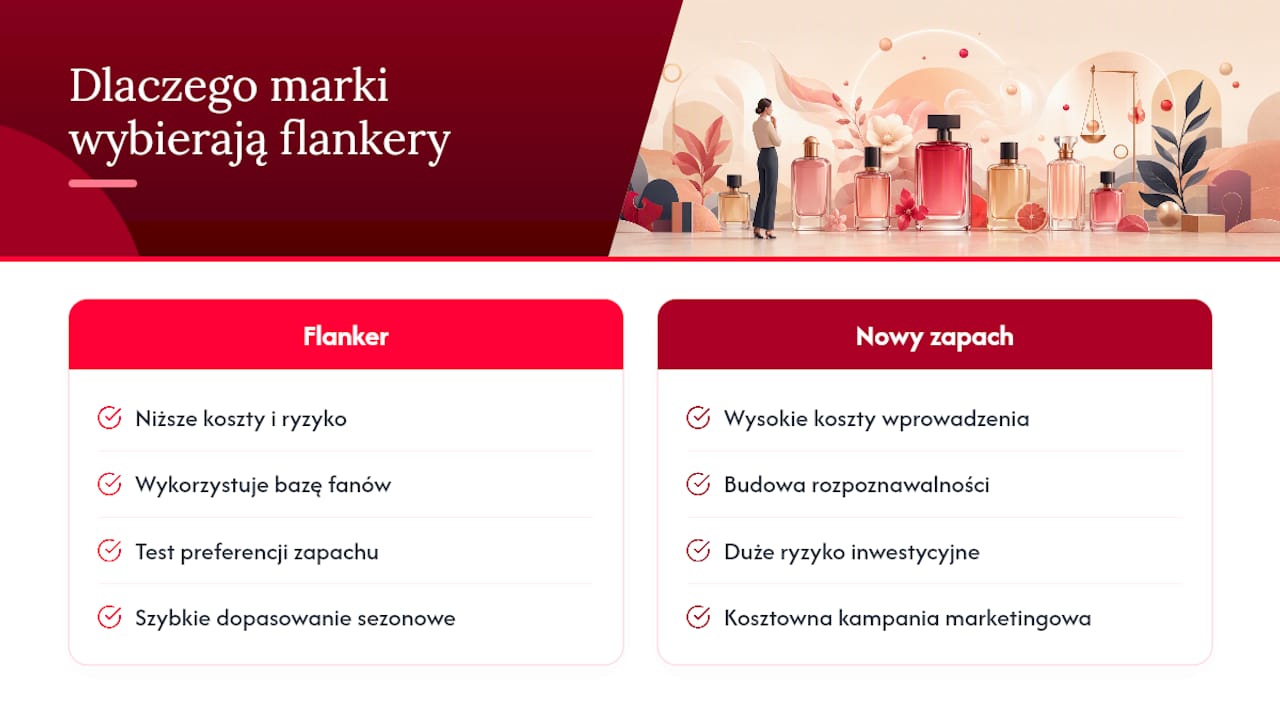
For consumers, this means choosing between loyalty to the original and the desire to experiment. Some flankers stay in the lineup for years, while others disappear after a single season—so postponing the decision “for later” can be risky.
How to recognize a flanker in a store or online
A practical checklist helps you avoid disappointment even before you buy:
- check whether the product name includes the full original name plus an addition,
- compare the bottle color and shape with the original photo,
- set side by side the note descriptions for the top, heart, and base of both versions,
- verify the concentration: EDT, EDP, or parfum affect intensity and price.
Online, it’s easiest to make a mistake when quickly scanning the offer, so read the full product description—not just the image thumbnail.
Pro tip: Before you click “buy,” type the flanker name together with the original into a search engine and compare the fragrance cards from two independent sources. If the note descriptions don’t match, it’s a sign the store is copying data without verification.
Is it worth buying a flanker, or sticking to the original?
The advantages of a flanker are specific: a fresher take on your favorite scent, better suitability for the time of year, and often a lower entry price than the iconic original. The downsides are also real—possible disappointment when the “DNA” is barely noticeable, shorter availability on the market, and differences in longevity on the skin.
Before you decide, go through this short checklist:
- Do you want exactly the same scent, or are you looking for a new interpretation?
- What’s your budget, and is the flanker actually cheaper than the original in your case?
- Do you prefer collecting variants, or sticking to one proven fragrance?
- Do you have the option to test a sample before buying a full bottle?
If you like experimenting and you’re not afraid of being disappointed by one version, a flanker is a low-risk, high-reward choice. If you have one scent for life, test carefully and don’t give up the original without a sample.
How to safely test a flanker step by step
Testing a flanker is like tasting wine: order and patience matter more than first impressions.
- Spray a flanker blotter and a second blotter with the original on the same day.
- Wait 5–10 minutes for the top notes to develop, then compare your first impression.
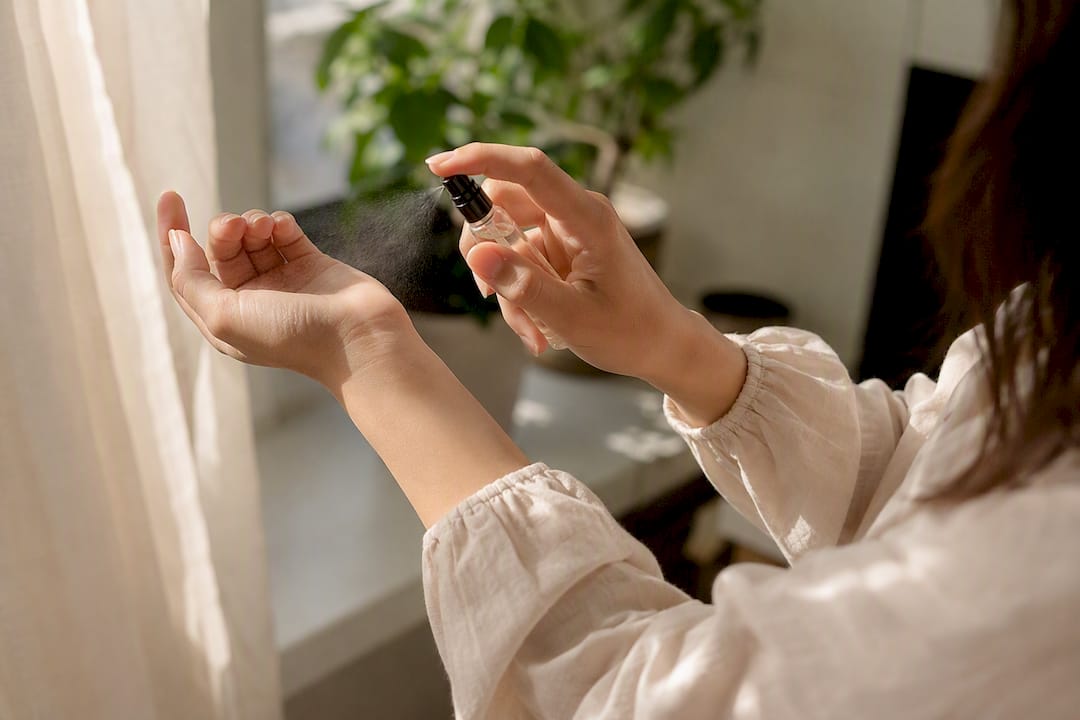
- Spray a small amount of each fragrance onto a different area of skin (for example, the wrist and forearm).
- Wear the samples for a few hours, observing the development of the heart and base notes.
- Compare longevity and projection at the end of the day, when differences are most noticeable.
Many differences only become clear in the base phase, so judging after the first few minutes can be misleading. Perfumers and stores recommend A/B testing on blotters and skin on the same day, because scent memory fades quickly.
Pro tip: If the store offers a sample or a mini size, always ask for it before buying a full bottle. A flanker’s longevity and projection differ from the original more than the note description alone suggests.
How we look at flankers at Pureparfum
We treat flankers as a natural complement to the lineup, not a replacement for the original. Our fragrances are made using vegan, high-concentration oils, so differences between variants are noticeable from the very first spray—not only after an hour. We recommend choosing a variation when you’re looking for a new vibe for your favorite composition in another season, not when you want the exact same scent at a lower price.
A sample set is a better start than a full bottle blind buy
If you want to check several fragrance variants without the risk of buying a full bottle that turns out not to work for you, this is exactly the right moment.
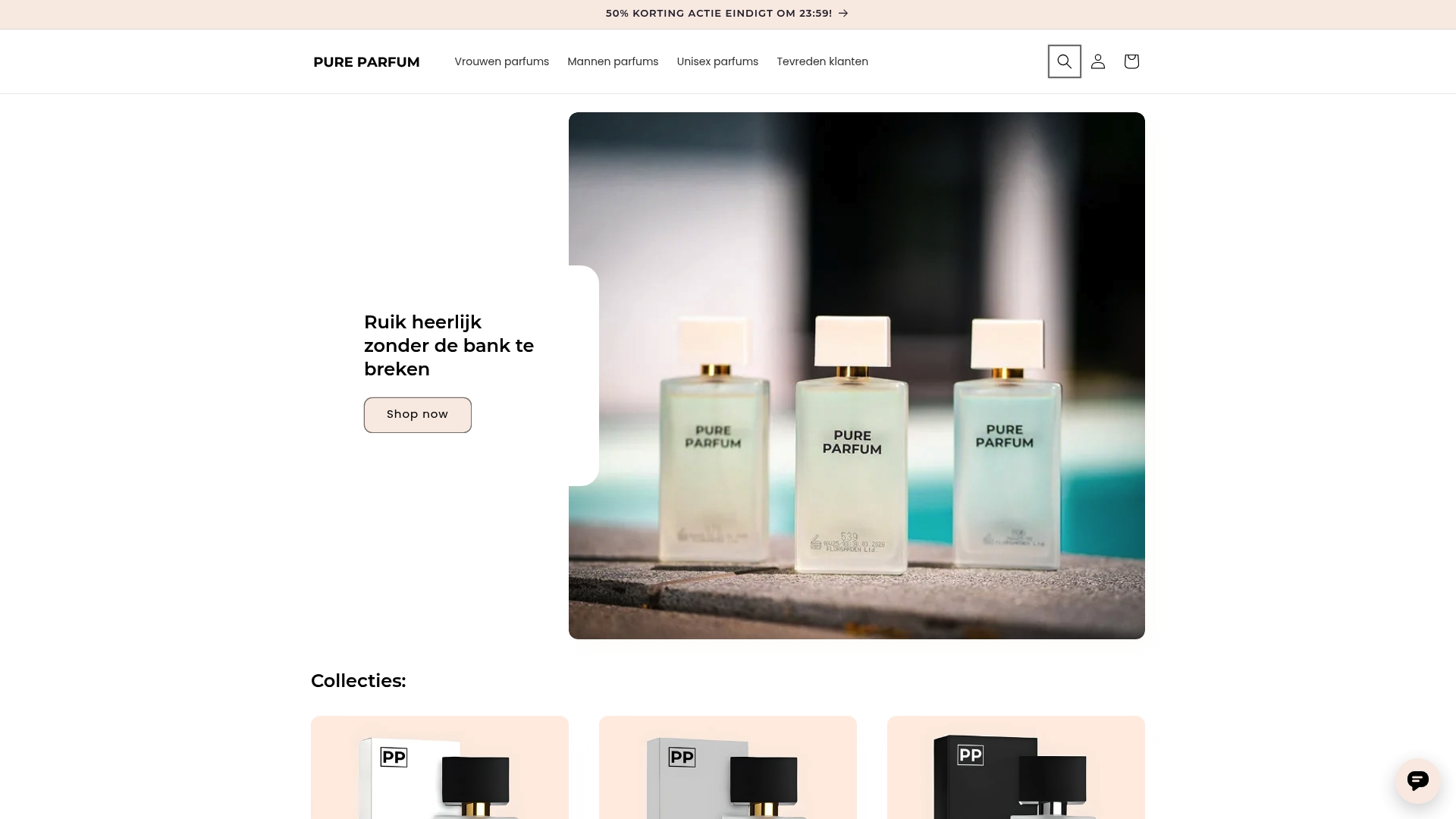
Pureparfum offers high-concentration fragrance oils in vegan, animal-friendly compositions, without driving up the price with expensive packaging or marketing. Instead of betting on one scent blindly, try the 30 ml x4 set or the 100 ml x3 set and compare several variants side by side—exactly as we described in the testing section. It’s a practical way to find your scent for the season before investing in a full bottle of one version.
Frequently asked questions about flankers
What does flanker mean in perfume terms? A flanker is a fragrance based on an already existing perfume, keeping its recognizable core while featuring modified notes, concentration, or packaging.
Does a flanker always smell worse than the original? No. A flanker can be better for a specific season or occasion, but it’s rarely identical to the original in terms of longevity and projection.
How do you tell a real flanker from a “fake flanker”? Check the note description and compare it with the original. A real flanker shares specific fragrance accords with the original, while a “fake flanker” only references the packaging look.
Are flankers cheaper than original perfumes? Often yes, though it depends on concentration and the brand. Versions with the Eau Fraîche addition are sometimes cheaper than the original in parfum concentration.
How many flankers does a popular fragrance typically have? The number varies depending on the brand and the bestseller’s popularity. Some iconic scents have seen a dozen or more variations over the years, while others stay with one or two versions.
Sources
Further comparisons and examples can be found in several places:
- Flanker — Wikipedia
- Zapachnialo
- Glamour-lady
- Flanker guide: iconic perfumes that disappeared from shelves
- Cottonganic