


Eau de parfum wins on strength and longevity; eau de toilette wins on lightness and freshness. Rule of thumb: EDP for evenings, cold weather, and days when you want the scent to last without reapplying, EDT for daytime use, warmth, and office environments where you want something discreet on the skin. Always test on your skin, not on the paper strip, before you decide.
- Choose EDP if you want to smell for 6–8 hours without spraying again
- Choose EDT if you prefer a lighter, more fleeting fragrance for everyday use
- Test both on your own skin, because skin chemistry changes the result more than the label suggests
Key takeaways
The choice between EDP and EDT depends primarily on the desired longevity and the situation: EDP lasts longer and suits evenings and cold weather; EDT is lighter and suits daytime and warmth.
| Point | Details |
|---|---|
| Concentration difference | EDT has 5–15% oil, EDP has 15–20%, which explains the difference in strength. |
| Longevity | EDT typically lasts 3–5 hours, EDP typically 4–8 hours on the skin. |
| Choosing by situation | Choose EDT for daytime and warmth, EDP for evenings, cold weather, and long days without reapplying. |
| Test correctly | Spray on your skin and assess the scent after 15–20 minutes, not right at the moment of application. |
| Pureparfum as an option | Pureparfum offers vegan perfumes with a high oil content in both sample and full-size sets. |
Table of contents
- What is eau de toilette (EDT)?
- What is eau de parfum (EDP)?
- EDP vs EDT: how they compare
- How do you choose between EDT and EDP?
- How to test and use perfume correctly
- Our recommendation: why Pureparfum is a solid choice
- Sources
What is eau de toilette (EDT)?
Eau de toilette is a lighter dilution of perfume oil in alcohol and water. The concentration typically ranges between 5% and 15%, depending on the industry standards, and you can feel it right away: fragrances in this category feel fresher and more transparent than their EDP versions.
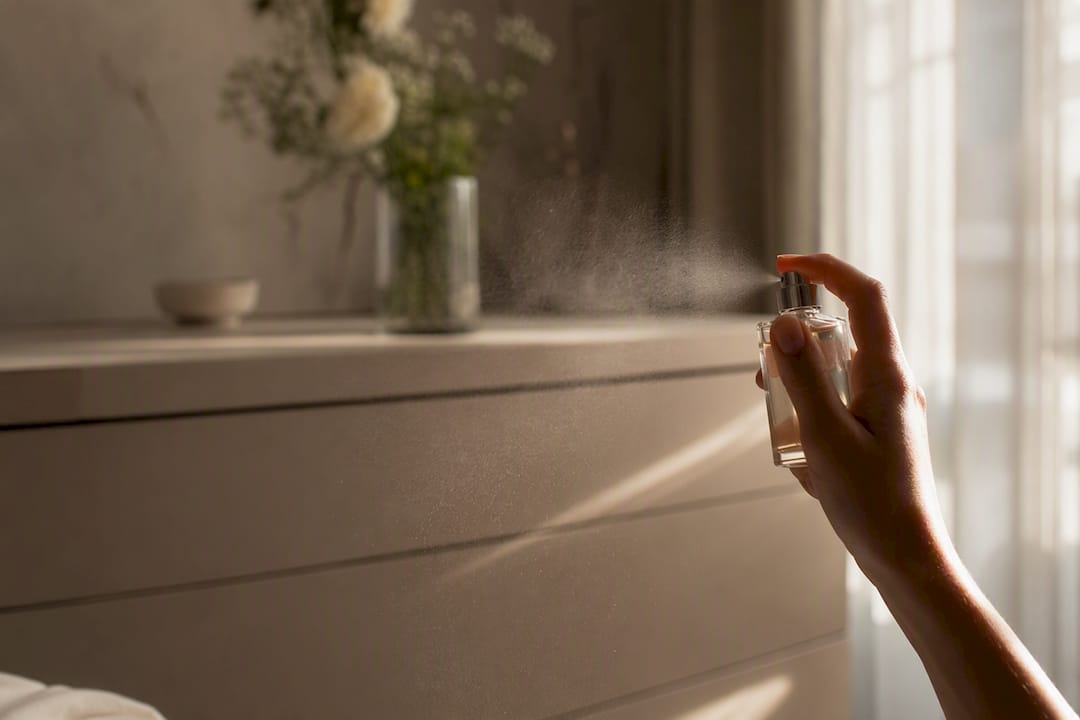
Longevity is typically 3–5 hours on the skin. That makes EDT the favorite for daytime, in warm weather, and in the office, where an overly strong scent can feel intrusive in a small room.
Pro tip: EDTs change faster from opening to dry-down because the volatile alcohol evaporates more quickly. So spray a little more generously in the morning if you want it to last throughout the workday.
EDT is the obvious choice if you switch fragrances often or simply want a hint rather than a statement.
What is eau de parfum (EDP)?
Eau de parfum is the more concentrated version, typically with 15–20% aromatic oils. The higher oil content gives a richer scent profile and longevity of 4–8 hours, often longer depending on your skin and the composition itself.
The practical thing about EDP:
- Fewer reapplications during the day or evening
- Better suited to cool weather, where the scent otherwise tends to sit closer to the skin
- Often gentler on sensitive skin, because the higher oil share means relatively less alcohol
- Higher price per milliliter, but you typically use fewer sprays.
The downside is that a strong EDP in a small, enclosed room can feel like too much. In an open office or for an evening dinner, it’s rarely a problem.
EDP vs EDT: how they compare
Concentration is the main explanation for the difference in strength and duration, but it’s not the whole story. Formulation, raw materials, and your own skin chemistry can mean that a well-composed EDT from one house actually lasts longer than a lighter EDP from another.
| Feature | Eau de toilette (EDT) | Eau de parfum (EDP) |
|---|---|---|
| Oil concentration | 5–15% | 15–20% |
| Typical longevity | 3–5 hours | 4–8 hours |
| Sillage/projection | Light, discreet | Closer, more long-lasting |
| Best for | Daytime, warmth, office | Evening, cold weather, longer events |
| Price range | Often lower per bottle | Higher per ml, but fewer sprays |
| Skin type/sensitivity | Works broadly | Often milder due to lower alcohol content |
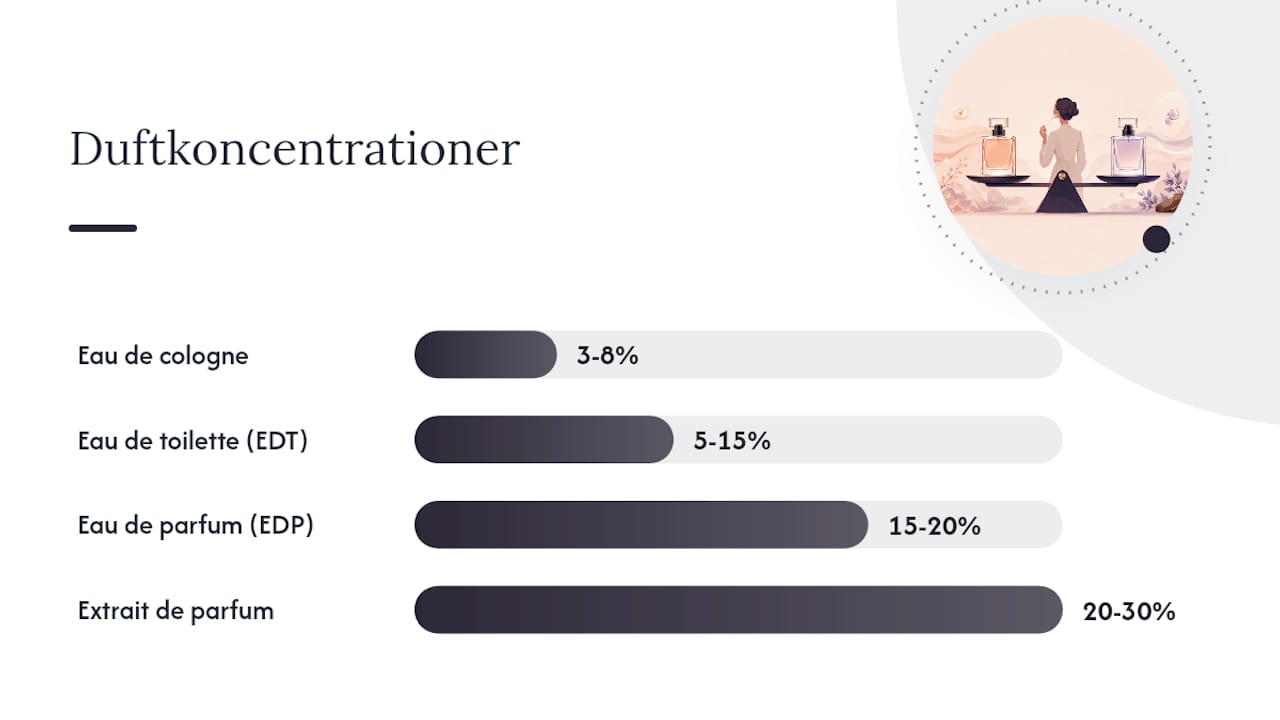
For comparison, eau de cologne sits at around 3–8% and extrait de parfum goes up to 20–30%, so EDT and EDP actually make up the middle group on the concentration scale.
Some specific use cases make the choice easier:
- Summer day in the office: EDT, because it won’t overpower a small room
- Winter evening dinner: EDP, because the cold naturally dampens the scent’s spread
- Travel day with many hours and no chance to reapply: EDP
How do you choose between EDT and EDP?
Use this order when you have two bottles and need to choose:
- Consider the climate: warm weather pulls the fragrance off your skin faster, so EDT often holds better proportions than EDP in summer heat
- Think about the environment: a small meeting room or open office layout handles EDT better than a strong EDP
- Assess your schedule: if you need the scent to last 8 hours without reapplying, EDP almost always wins
- Test on your own skin, not just on a scent strip in the store
Some red flags are worth knowing. If you have very sensitive skin, a strong EDP with a high alcohol content can irritate, while a well-formulated EDP with a higher oil content can actually be milder, as mentioned earlier. In dense office environments, an overly strong EDP is also a classic mistake, regardless of how good the scent is.
Two scenarios illustrate the difference well: a person who wants one versatile bottle for most situations often chooses an EDP in moderate amounts, because it covers both day and evening with adjusted dosing. A person who changes fragrance by season typically benefits from having multiple bottles in different concentrations rather than one compromise solution.
How to test and use perfume correctly
Never test only on a paper strip. Spray directly on your skin, ideally on your wrists or the inside of your forearm, and wait at least 15–20 minutes before judging the scent. The opening notes disappear quickly. It’s the heart notes after an hour and the dry-down after three to four hours that reveal whether the fragrance actually suits you.
- Use 2–4 sprays depending on concentration: fewer for EDP, more for EDT
- Spray on your skin, not on your clothes, and never rub your wrists together—this breaks down the fragrance molecules faster
- Store the bottle in a dark, cool place, away from the bathroom’s moisture and heat
- Always buy a sample first, and wear it for a full day before investing in a full bottle
Pro tip: Dry skin holds onto fragrance for a shorter time than oily skin, because the oils in your skin bind the fragrance molecules. If you have dry skin, a fragrance-free cream under the perfume can significantly extend longevity.
The author’s perspective on choosing between EDP and EDT
I almost always recommend EDP as the default choice, unless the climate or work environment argues against it. The extra cost per bottle is offset by fewer reapplications, and a well-chosen EDP with a high oil content—like the ones Pureparfum works with—gives you more fragrance for your money over time than a cheaper EDT that you have to spray three times a day.
Our recommendation: why Pureparfum is a solid choice
Pureparfum builds its perfumes on a higher oil content than many other alternatives in the same price range, without adding extra costs for packaging or marketing. All fragrances are vegan and animal-friendly, so you get the same rich fragrance experience as established brands, but at a price that matches the content rather than the name on the bottle.
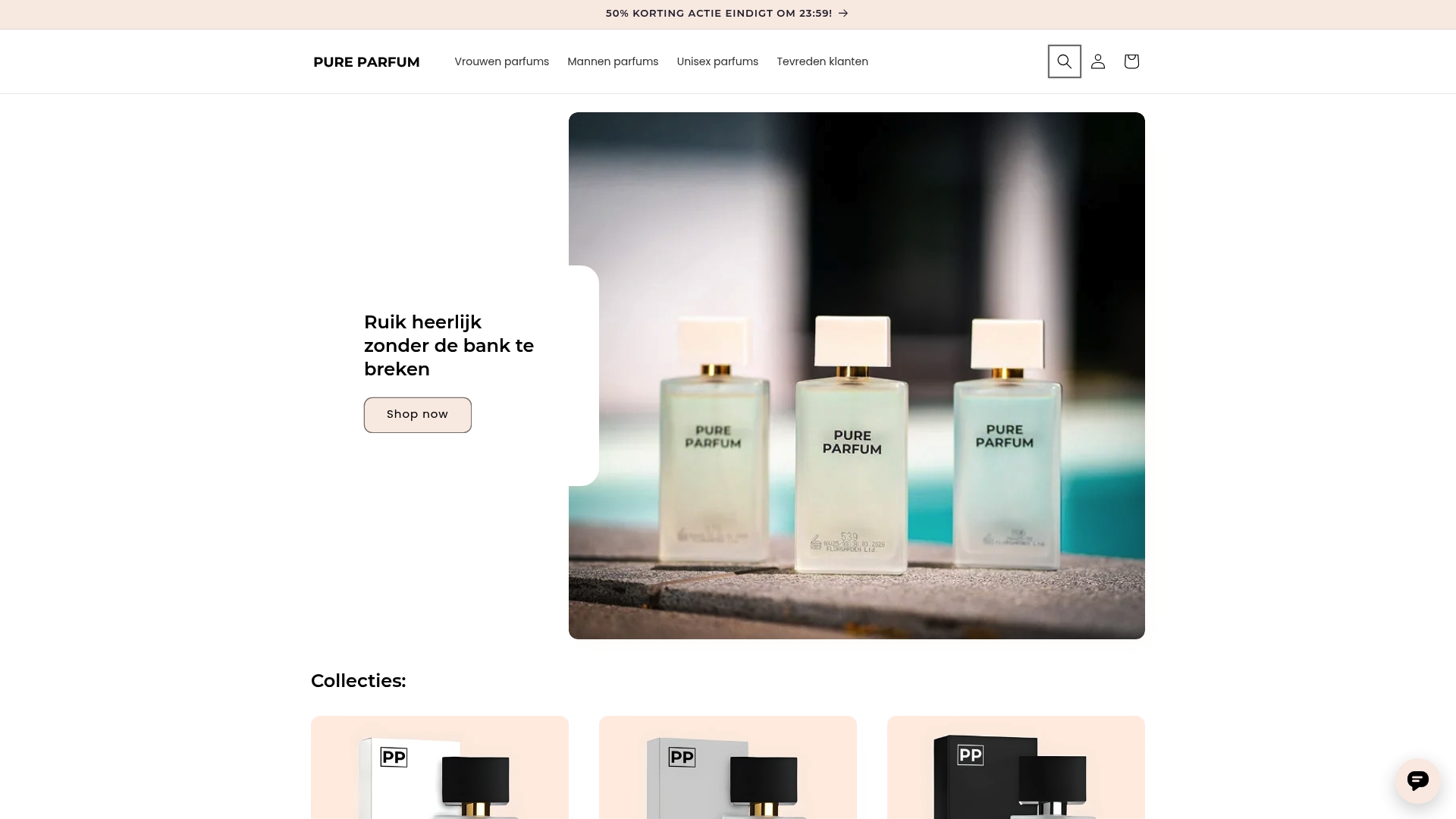
Want to try more concentrations before committing to one favorite? The five-bottle sample set (20 ml each) is made for exactly that situation, where you want to test the opening, heart, and dry-down across multiple fragrances over the course of a week. If you prefer to go all in with full sizes right away, the set with three bottles (100 ml each) lets you cover both day and evening needs without compromise. If you want to extend the scent without increasing concentration, Pureparfum’s body lotion works well as a layer under the perfume. Visit Pureparfum and find the concentration that fits your everyday life.
Sources
- Eau de Parfum vs Eau de Toilette: The Difference - ScentVerdict
- Eau de Parfum vs Eau de Toilette: The Difference - ScentVerdict
- The difference between eau de toilette, eau de parfum and extrait de parfum - Amouage