

A dupe perfume is a fragrance that strongly resembles a well-known designer perfume, but is sold under its own name and packaging. Such a dupe is legal in itself, as long as it does not copy the brand name, logo, or bottle shape of the original. A dupe is safe when the manufacturer complies with European cosmetic regulations, recognizable by an INCI list, a batch code, and a responsible party within the EU on the packaging.
In short:
- A legal dupe perfume has its own name, packaging, and complete labeling with an ingredients list and batch code, while counterfeit brands do not.
- On the packaging of legal dupes, there is always an INCI list, a batch code, and the details of an EU responsible party, so you can check compliance.
- Dupes have become popular thanks to social media, lower prices, and rising consumer trust, but they can still differ in scent longevity and complexity.
- Buy your dupe from reliable sellers with transparency, test the scent on the skin, and watch for signals such as missing ingredient information or a bottle that doesn’t look like the original.
- Pureparfum stands out through full transparency, EU responsibility, and fragrances that are comparable in price and quality to expensive brands.
Table of contents
- What is a perfume dupe? Origin of the term and how dupes come about
- Difference between dupe perfume and counterfeit perfume
- Legality and safety: which rules apply and what should you check on the packaging?
- Why people buy dupes and realistic expectations about quality
- Practical buying and testing tips to choose a reliable dupe
- Why Pureparfum is a transparent choice for dupe buyers
- Editorial reflection: the rise of dupe culture
- Discover the bundles and sets from Pureparfum
- Sources
- Frequently asked questions
What is a perfume dupe? Origin of the term and how dupes come about
The word “dupe” comes from “duplicate” and has become established in Dutch in recent years as a term for an affordable alternative to an expensive brand product. It’s now even listed in dictionaries of popular language as a fixed term. For perfume, it specifically refers to a scent that approximates the scent experience of a well-known, often luxurious perfume without using the original brand name.
A perfume consists of three layers: top notes that you smell immediately, heart notes that form the core of the fragrance, and base notes that provide longevity and depth. Imitating a dupe often works well with the top and heart notes, because they can be reconstructed using relatively accessible fragrance ingredients. Base notes are more difficult to copy, because brands often use expensive, unique raw materials or fixatives for them.
Three factors explain why dupes are showing up everywhere now:
- Social media, especially TikTok, made fragrance comparisons go viral in no time and increased demand for cheaper alternatives, like Elle describes.
- Drugstore private labels and specialized perfume shops jumped on that demand with their own “inspired by” lines.
- Rising prices for designer perfumes made the price difference with a dupe increasingly attractive to consumers.
Difference between dupe perfume and counterfeit perfume
The difference between a dupe and a counterfeit is not in the scent itself, but in what happens around it. A dupe sells under its own brand name, with its own bottle and its own packaging. Counterfeit products present themselves as if they were the original: they copy the brand name, the logo, or the distinctive bottle shape.
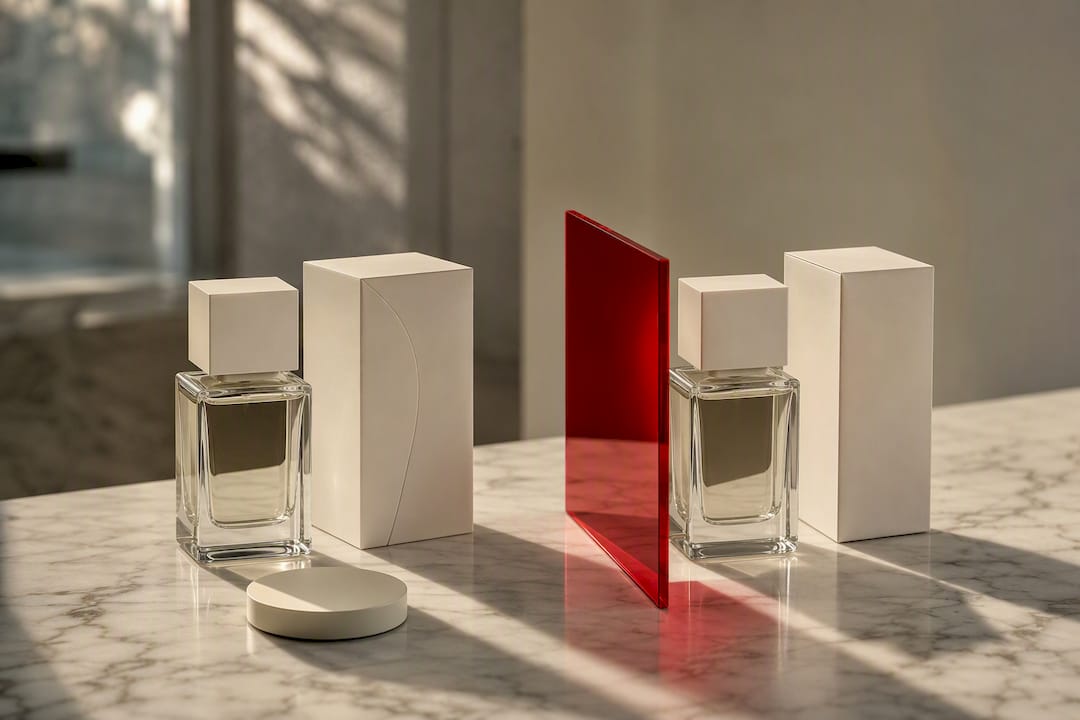
Legally, that makes a world of difference. Copying a fragrance profile is hardly enforceable on its own, but once a seller leans on the brand name or the appearance of another brand, that becomes trademark infringement and therefore prohibited. That is confirmed by the legal analysis of Radar (AVROTROS). Even buying deliberate counterfeit products can have legal consequences for the consumer, depending on the circumstances.
You can usually spot counterfeits by a combination of signals:
- Incomplete or missing labeling, without an ingredients list.
- No batch code or lot number on the bottle or packaging.
- A brand name or bottle shape that is suspiciously close to the original.
- A price that is far too low for what it claims to be.
A legal dupe, by contrast, shows confidence: its own name, its own design, and full transparency about what’s inside.
Legality and safety: which rules apply and what should you check on the packaging?
Perfumes sold in the European Union fall under the same cosmetics legislation as creams or shampoo. This regulation does not determine which scent you’re allowed to make, but rather which information must be mandatory on the packaging. That makes the law a practical tool for buyers to check compliance, regardless of whether it’s a designer perfume or a dupe.
Regulators mention three points that you should always be able to find:
- An INCI list: the international naming of the ingredients used.
- A batch code or lot number: a traceable production number, essential in the event of a recall.
- A responsible party within the EU: a company or person who is liable for the product’s compliance.
Every perfume circulating legally in the EU must also keep a product information file available for regulators, even if the consumer can’t see it. A spokesperson for the FOD says the presence of these three details is the fastest way to check compliance, according to VRT NWS. If any of the three is missing, it’s sensible to return the product or report it to the seller instead of taking the risk.
Why people buy dupes and realistic expectations about quality
The price difference is the most important reason. Where a designer perfume quickly costs dozens of euros for a small bottle, a dupe often offers a similar volume for a fraction of the price. That also makes it easier to try a scent without immediately having to buy an expensive bottle.
However, it’s smart to adjust your expectations. Cheaper alternatives sometimes miss the expensive, long-lasting base notes of the original, causing the fragrance to change sooner or not last as long. Scent experts explain that other molecules can often imitate the first impression well, but the difference only shows after a few hours on the skin.
Some considerations come up again and again with buyers:
- You can try multiple fragrances at once with a small budget, instead of gambling on just one expensive bottle.
- Some brands offer refills or larger sets, which further lowers the price per use.
- Fragrance intensity depends strongly on the oil concentration, not only on the fragrance ingredients used.
- You get the best dupe test first by applying it to your skin, not just on paper, because body heat affects how the scent develops.
Practical buying and testing tips to choose a reliable dupe
Buying a reliable dupe isn’t a matter of luck, but of three simple checks before you click “order”.
- Check the packaging. Look for the INCI list, the lot number, and the name of the EU responsible party. If it’s not there, the product is not compliant and you buy at your own risk—just like Kieskeurig advises.
- Test on the skin, not on paper. Apply a small amount and follow the fragrance’s development over a few hours. Top notes disappear quickly; heart and base notes determine the real verdict.
- Buy from transparent sellers. Watch for a clear return policy, genuine customer reviews, and the seller’s clear contact details.
Pro tip: Keep your test spot on your wrist for an entire working day before judging. Many dupes smell identical in the bottle to the original, but only after six to eight hours will you see whether the base notes hold up.
Red flags include a missing ingredients list, a seller without a return option, or a bottle that looks suspiciously like the original in shape and label. Reliable parties in the industry, such as specialized beauty marketing agencies, emphasize that transparency toward the customer has become a sales requirement nowadays—not just a legal obligation, as stated by 121 Group.
Why Pureparfum is a transparent choice for dupe buyers
Pureparfum builds its offering specifically around the points you need to check above: clear origin, no hidden costs, and full transparency about the composition. By removing unnecessary marketing expenses and expensive packaging, Pureparfum delivers the same fragrance experience as well-known brands at a much more accessible price point.
Some dupes are made with vegan, animal-friendly fragrance ingredients and a higher oil concentration than many other affordable alternatives, which translates into a longer-lasting scent experience on the skin. That matches exactly the area where many dupes fall short: the longevity of the fragrance after the first few hours.
Some points that buyers consider important in a brand in this category include:
- Many customer reviews and a wide selection of scents for men, women, and unisex.
- Transparency about ingredients on the product pages.
- No expensive packaging or marketing overhead included in the price.
Check the product pages and reviews yourself, and feel free to ask about smaller formats so you can test before buying a larger set.
Editorial reflection: the rise of dupe culture
Dupe culture has largely emerged because of social media. Influencers put fragrance comparisons side by side, and followers look for the cheaper alternative. That in itself is harmless, but the line between inspiration and deception gets thin as soon as a seller suggests that a dupe is “exactly the same” as the original, without mentioning the limitations.
Sellers carry responsibility here. An honest dupe provider is clear about origin, ingredients, and differences with the original. As a consumer, it’s wise to demand that same transparency: ask for an INCI list, a batch code, and a clear return policy before you buy. If you make that your standard, you buy with confidence instead of gambling.
— J
Discover the bundles and sets from Pureparfum
Pureparfum is the answer for anyone who takes the checklist from this article seriously: every fragrance comes with clear ingredient information, a traceable batch code, and a responsible party within the EU—exactly the points that distinguish a legal dupe from risky counterfeit products.
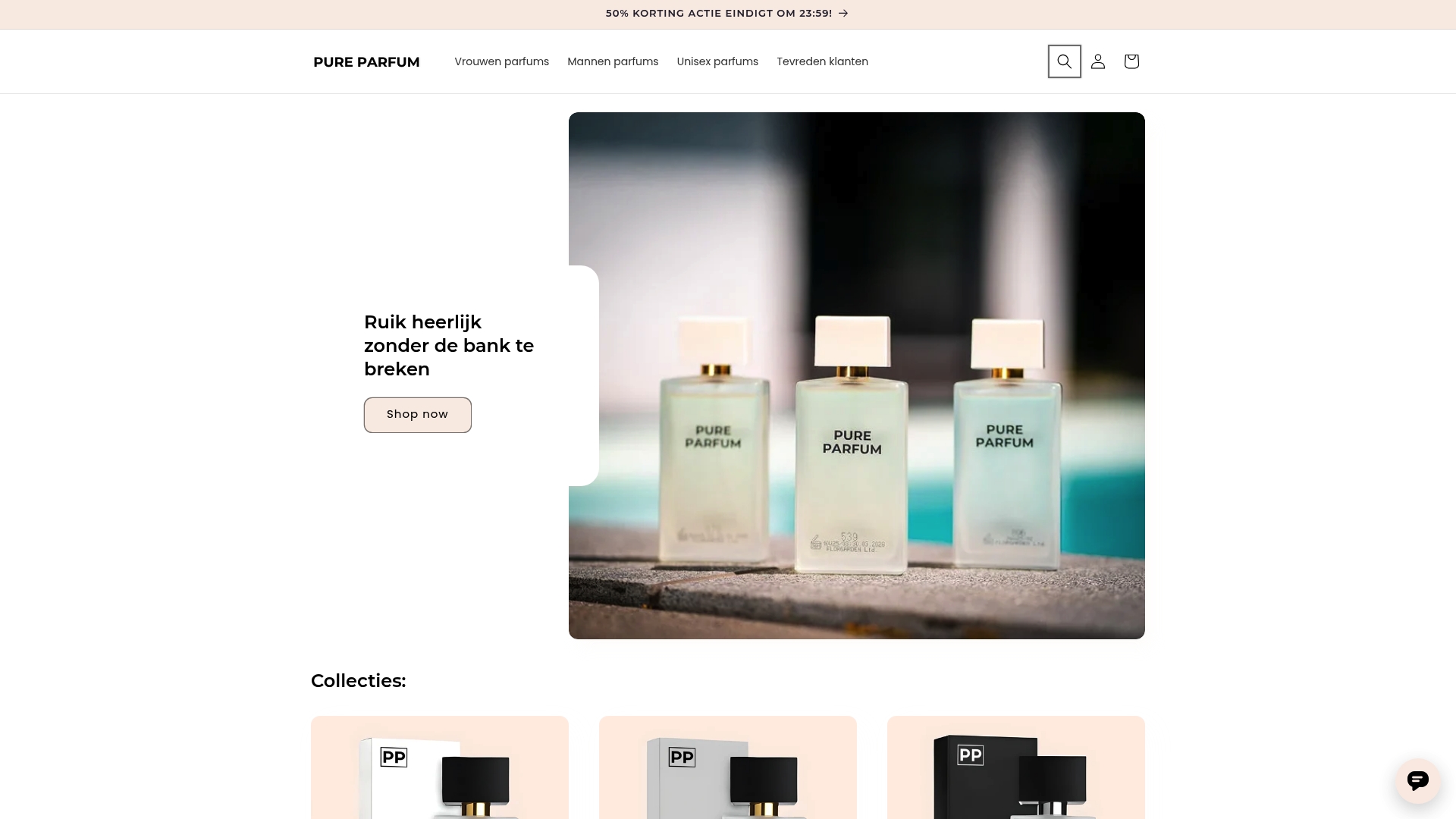
Want to try multiple fragrances right away without risking an expensive bottle? The 3x100ml Parfum bundle gives you room to compare at a sharp price per bottle. Still unsure which scent fits you best? Choose a smaller format via the 30ml x4 Parfum Set and test first on your skin before scaling up further. Feel free to compare customer reviews on the product pages, then order the size that matches your level of doubt or certainty.
Sources
- Perfume dupes are as safe as brand perfumes: ‘But look closely at the packaging’ | VRT NWS
- Are perfume dupes legal? | Radar (AVROTROS)
- How to recognize fake perfume in 2026? (Kieskeurig)
Frequently asked questions
What does “dupe perfume” mean exactly?
A dupe perfume is a scent that looks like a well-known brand perfume, but is sold under its own name and packaging without copying the brand name or packaging of the original.
What does the word “dupe” mean literally?
The word comes from “duplicate” and is used in everyday language for an affordable alternative that strongly resembles a more expensive original product.
Are perfume dupes legal?
Yes, as long as the dupe does not imitate the brand name, logo, or bottle shape of the original. Once that happens, it becomes trademark infringement and therefore illegal counterfeit products.
What are the best perfume dupes for women?
There is no fixed ranking, because scent preference is personal. When choosing, focus on complete labeling, a clear INCI list, and test the fragrance first on your own skin, as with Pureparfum options.
How do I recognize an unsafe or illegal dupe?
Watch for a missing ingredients list, no batch code, and no mention of a responsible party within the EU. If any of this is missing, do not buy the product.