


Fragrance families are the system that perfumers and buyers use to categorize scents according to their dominant accord—meaning the combination of top, heart, and base notes that shapes a fragrance. The most important main families are Floral, Citrus, Woody, Oriental, Chypre, Fougère, and Gourmand. Once you know this classification, you can choose more deliberately: by season, occasion, and your own skin chemistry, instead of guessing from scratch with every test purchase.
Key takeaways
The fragrance family of a perfume is usually determined by the base note, because it stays on the skin the longest and creates the lasting impression.
| Topic | Details |
|---|---|
| Core system | Fragrance families categorize perfumes by dominant accords, not by chemical composition. |
| Order of testing | Smell the top, heart, and base notes one after the other, with waiting times of 15 to 60 minutes. |
| Historical anchors | Chypre (1917) and Fougère (1882) still shape entire fragrance categories today. |
| Seasonal choice | Citrus and fresh scents in summer, Oriental and Gourmand in winter or in the evening. |
| Practical starting point | Sets like the 30ml x4 perfume set from Pureparfum let you compare multiple fragrance families directly. |
Table of contents
- What a fragrance family is and why perfumers use it
- How do you recognize the fragrance family of a perfume?
- The most important fragrance families at a glance
- Chypre and Fougère: origin and typical subcategories
- Top note, heart note, and base note explained briefly
- Which fragrance family fits which occasion?
- Why fragrance families really matter for product choice
- Test multiple fragrance families risk-free
- Frequently asked questions about fragrance families
- Sources
What a fragrance family is and why perfumers use it
A fragrance family groups perfumes that share the same dominant accord. It’s not the chemical composition that decides, but the overall impression created by the top, heart, and base. A scent with lots of bergamot and oakmoss ends up in a different family than one with vanilla and resins—even if both contain the same bergamot.
Today’s commonly used systems trace back, among other things, to the Society of French Perfumers and to Australian fragrance expert Michael Edwards, whose classifications primarily arrange fragrances by dominant accords and prototypical reference scents. For buyers, this brings tangible benefits:
- Comparability: A Fougère fragrance usually smells similarly fresh-spicy, regardless of which brand makes it.
- Expectation management: If you like Chypre scents, you’ll know that a new citrus-chypre will likely suit you.
- Faster orientation in a store or online shop—without having to spend hours testing.
How do you recognize the fragrance family of a perfume?
The test strip doesn’t lie, but it only tells you the beginning of the story. A perfume changes in phases, and it’s exactly this order that reveals the family.
- Spray the fragrance onto a strip or the inside of your wrist and smell right away. This is the top note—usually citrus, green aspects, or light herbal notes.
- Wait 10 to 15 minutes. Now the heart note comes through—often flowers, spices, or fruity notes.
- Wait another 30 to 60 minutes. The base note remains and usually determines the actual family.
Certain building blocks are reliable signals. Coumarin—this typical hay-like smell—almost always points to Fougère. Oakmoss in combination with patchouli indicates Chypre. Vanilla and resins such as benzoin or tonka point to Oriental, while calone suggests aquatic notes and ethyl maltol hints at Gourmand accords.
Pro tip: Never test more than three fragrances in a row. After the third strip, your nose is exhausted and you only smell similarities where there are none. Coffee beans in between help hardly at all—taking a short break in fresh air does.
Skin chemistry also changes the result. Dry skin makes fragrances fade faster, while oily skin keeps base notes in place longer. That’s why the same fragrance can smell noticeably different on two people—and why it’s always worth testing on your own skin rather than just on paper strips.
The most important fragrance families at a glance
Each family has its own character, its own building blocks, and its own subcategories. Here are the most important ones in detail.
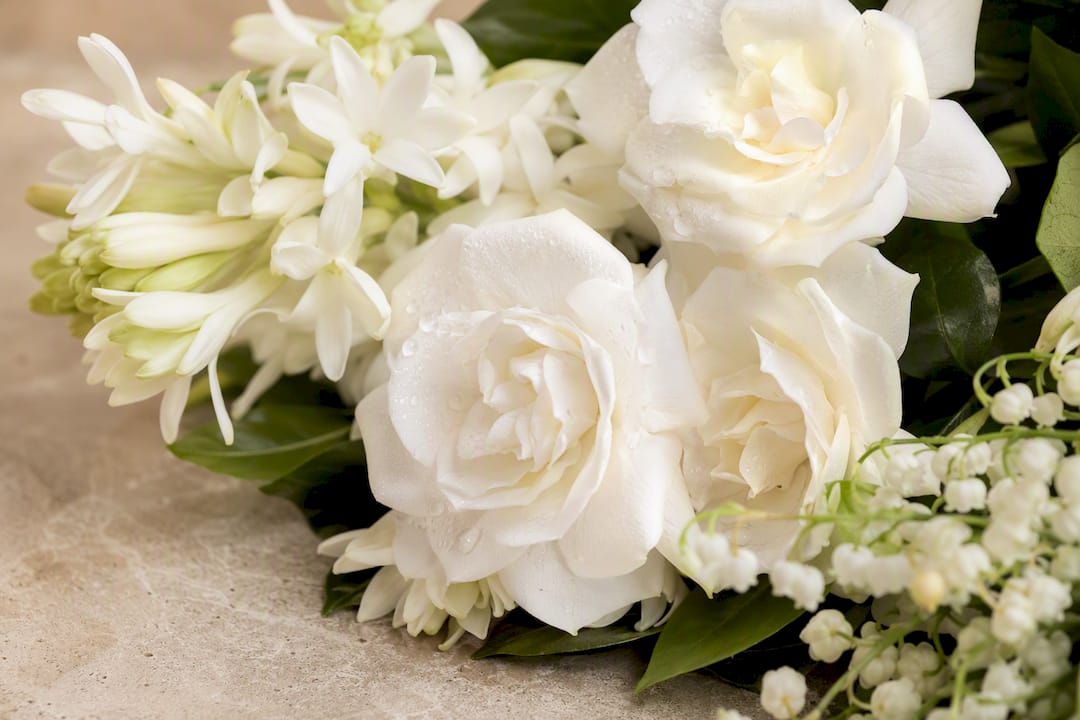
Floral is the largest and oldest family. Rose, jasmine, iris, and lily of the valley form the core, often complemented by green top notes and powdery bases from iris or musk. Subcategories range from white florals, with heavier notes like tuberose and gardenia, to fresh-floral with lighter, watery accents.
Citrus is driven by essential oils from lemon, bergamot, grapefruit, and mandarin. This family is usually fleeting: the top note dominates, and the base often stays subtle. A key identifying feature is an immediate, zesty impression that fades noticeably after about 20 minutes because citrus essential oils evaporate quickly.
Woody is built on sandalwood, cedarwood, vetiver, or cashmeran. The base is warm, dry, and sometimes smoky. Subcategories include Woody Aromatic, with herbs like sage or rosemary, and Woody Floral Musky—one of the most popular modern combinations of all.
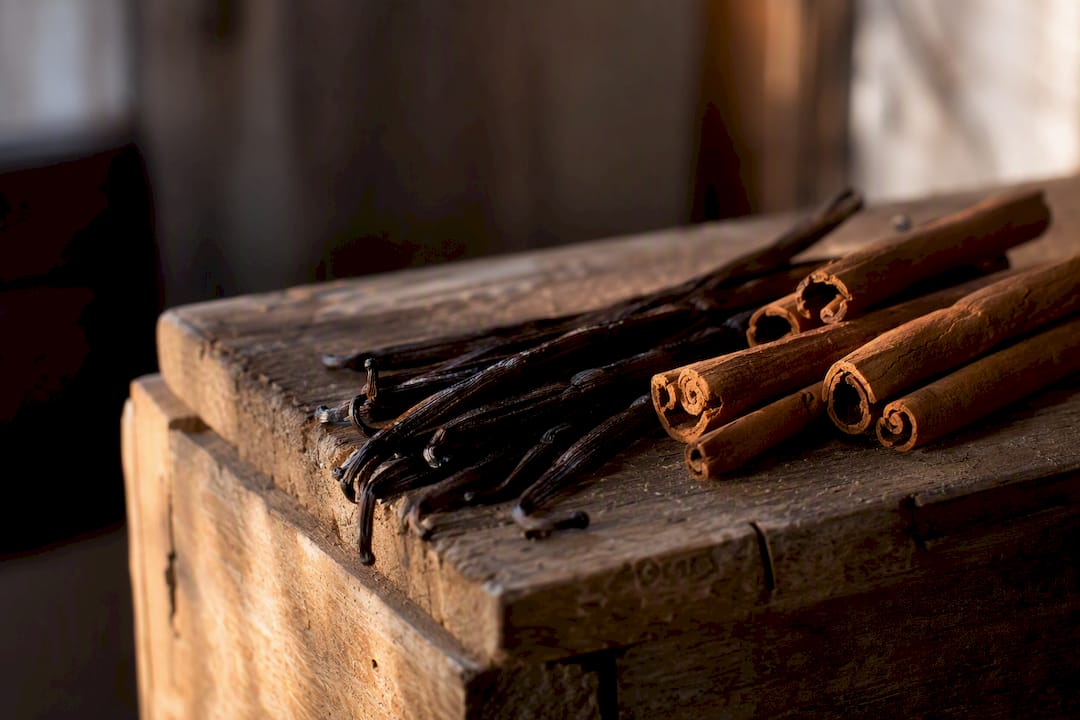
Oriental (also called Amber) relies on vanilla, resins such as benzoin and labdanum, plus spices like cinnamon or cardamom. This family feels heavy, sweet, and warm. Fruity Oriental blends in berries or plum, while Woody Oriental shifts the focus toward sandalwood and oud.
Chypre has carried its name since 1917, when François Coty brought the perfume “Chypre” to market. The bergamot top, followed by patchouli in the heart and a woody-mossy base made of oakmoss still shapes the typical bitter dry-down of this family. Modern formulations often replace oakmoss due to allergen regulations with substitute ingredients, but the character remains recognizable.
Fougère was created in 1882 with “Fougère Royale” by Houbigant and is considered the prototype of classic men’s fragrances. The accord of lavender, bergamot, geranium, and coumarin creates this unmistakable fresh-spicy barbershop character.
Gourmand is the youngest of the big families and works with edible accords like caramel, chocolate, almond, or vanilla cream. Identifying feature: the scent feels almost like dessert—sweet and rounded—without sounding floral or woody.
Many current perfumes are hybrids of two or three families, such as Woody-Floral-Gourmand. In such cases, the base phase usually determines which family a fragrance is assigned to, because the base stays present the longest and shapes the lasting impression most strongly.
Chypre and Fougère: origin and typical subcategories
Hardly any two families have shaped perfume history as much as these two. Both are over 140 and about 100 years old, respectively, and still function today as reference points for entire generations of fragrance.
Chypre was created in 1917 and was built from the start on three pillars: bergamot in the top, patchouli or rose geranium in the heart, and a woody-mossy base, originally with oakmoss for the characteristic bitterness. Fougère followed in 1882 and established the accord of lavender, coumarin, and oakmoss as its own category—long before there was even an official classification system.
Typical subcategories help with fine-tuning:
- Fruity Chypres, with peach or plum in the heart note
- Floral Chypres, which emphasize rose or jasmine more strongly
- Aromatic Fougères, with additional herbal notes like sage or thyme
Top note, heart note, and base note explained briefly
A perfume consists of three phases that evaporate at different speeds. The top note is what you smell in the first minutes—usually light, fleeting molecules like citrus. The heart note unfolds after about 10 to 30 minutes and forms the actual character, often flowers or spices. The base note stays on the skin for hours and often determines the family assignment, because it’s the longest-lasting.
- Eau de Toilette: lower oil concentration, usually lasts 3 to 5 hours
- Eau de Parfum: higher concentration, often lasts 6 to 8 hours or longer
- Parfum Extrait: the highest concentration, correspondingly intense and long-lasting
Which fragrance family fits which occasion?
The season affects how a fragrance performs on the skin—and therefore which family is a good fit. In summer, heavy base notes evaporate faster and can feel quickly overpowering, which is why citrus and fresh fragrances usually work better in hot weather than Oriental ones.
- Summer and daytime use: Citrus or light, fresh-floral scents—easy and not overpowering.
- Winter and evening: Oriental or Gourmand—warm base notes feel more pleasant in cold weather.
- Office: Woody or subtly floral—unobtrusive throughout the day.
- Date or special occasion: Chypre or a stronger Fougère—both feel distinctive without being too sweet.
If you’re unsure, start with sample sizes from several families rather than investing right away in a full bottle. Layering—combining perfume with a body lotion or hand cream that has a matching scent—extends longevity and enhances certain facets without requiring you to buy a completely new fragrance.
Why fragrance families really matter for product choice
As an editorial team, we repeatedly see that customers are looking for the “perfect” fragrance without knowing what they’re actually looking for. Fragrance families solve exactly this problem: once you understand that you like Fougère, you can find ten more scents that will likely suit you—rather than starting from zero with every new name.
At Pureparfum, we therefore intentionally categorize our products by these families, so the choice between vegan, long-lasting fragrances doesn’t become a guessing game, but a targeted decision.
Test multiple fragrance families risk-free
If you’re torn between Chypre, Fougère, and Gourmand, you don’t have to commit to just one bottle. That’s exactly what Pureparfum sets with multiple scents in smaller sizes are for: you can compare different families side by side directly, without having to buy a full bottle for every test.
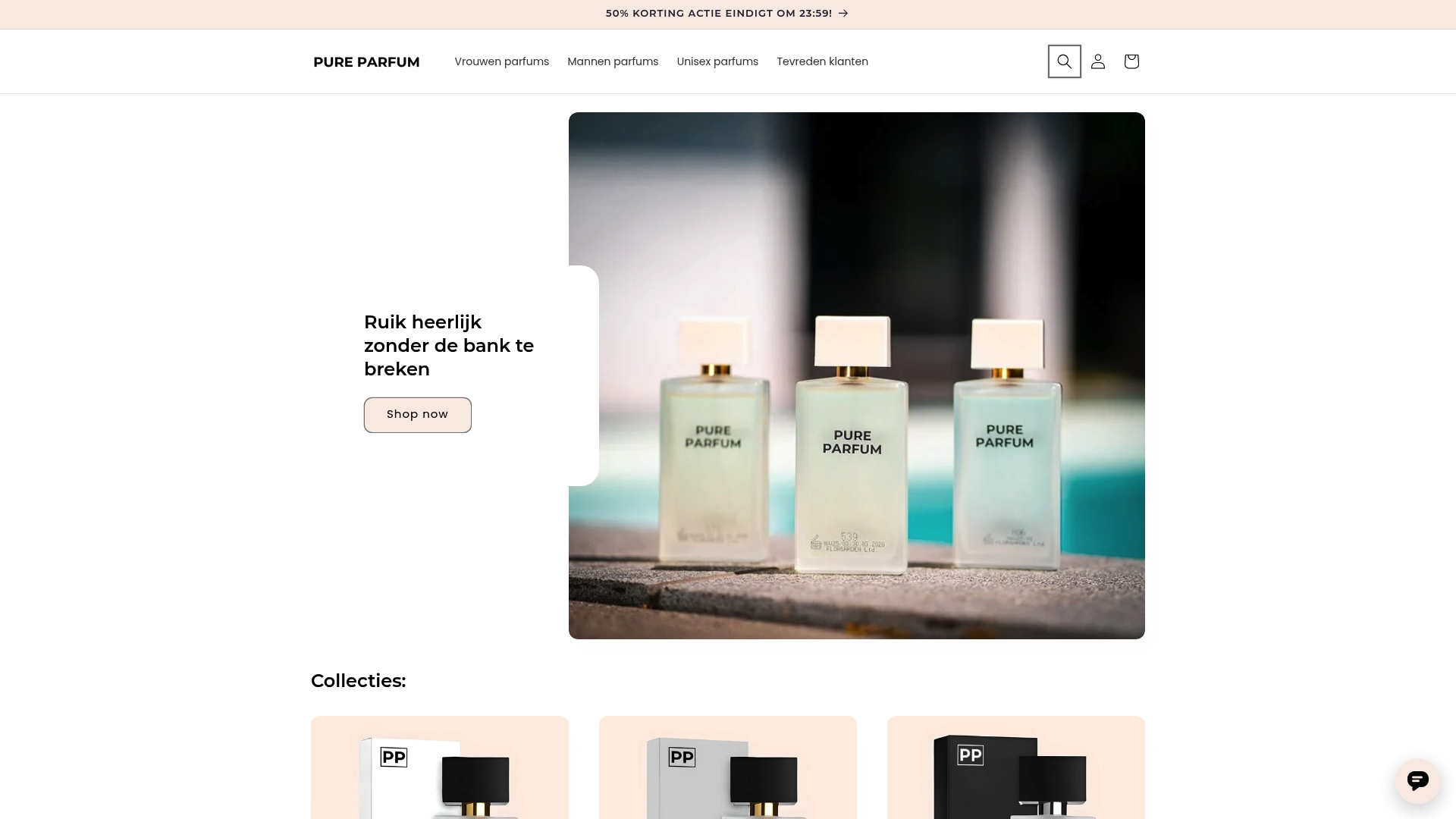
The 30ml x4 perfume set is suitable for beginners who want to test, for example, a woody, an oriental, and a citrus variant side by side. If you’ve already found a preference and want to buy in series, the 3x100ml perfume bundle is a more cost-effective option per milliliter than buying individually. All fragrances are vegan and cruelty-free, with a higher oil concentration than many options in the same price range—something you can feel directly in how long they last on the skin. Stop by the Pureparfum shop and find the fragrance family that fits your everyday life.
Frequently asked questions about fragrance families
What are fragrance families, explained simply? Fragrance families are categories that group perfumes by their dominant accord from top, heart, and base notes—such as Floral, Woody, or Oriental.
What does Chypre mean in perfume? Chypre refers to a fragrance family with bergamot in the top, patchouli in the heart, and a woody-mossy base, named after the eponymous Coty perfume from 1917.
What does Fougère mean in perfume? Fougère is an accord of lavender, bergamot, geranium, and coumarin, popularized in 1882 with “Fougère Royale,” and it still defines classic men’s fragrances today.
How do I recognize the fragrance family of a perfume? The most reliable method is to test the top, heart, and base notes one after the other, with breaks of 15 to 60 minutes, and to pay attention to typical signal ingredients like coumarin or vanilla.
Which fragrance family works for summer? Citrus and light, fresh-floral fragrances usually work better in summer, because heavy base notes tend to feel more overpowering in hot weather.
Can you wear multiple fragrance families at the same time? Yes—by layering with a body lotion or hand cream that has a matching scent, you can enhance facets without the families overlapping each other.
Sources
For historical background on Chypre, the Wikipedia entry on Chypre is worth reading; for the origin of the Fougère family, see the articles about Fougère. A compact overview of the main families is provided by the Duftstoffverband, while technical details on classification and modern hybrids can be found at Duft-Insider.